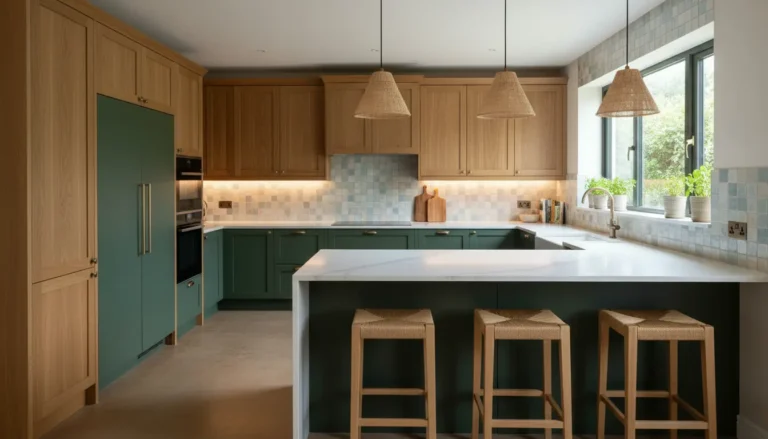

Kitchen renovation costs become easier to control when you know what drives the price before you speak to a contractor. This page helps you compare realistic renovation scenarios, understand where your budget goes, and decide which upgrades deliver the best return. With practical cost factors, planning tips, and clear next steps, you can move from uncertainty to a confident quote for a kitchen that fits your home, lifestyle, and budget.
What influences kitchen renovation costs?
The final price of a kitchen renovation is shaped by more than cabinets and worktops. Your layout, room size, installation complexity, appliance choices, plumbing, electrical work, flooring, lighting, and finish level all affect the total investment. A simple refresh may keep the existing layout and focus on visible upgrades, while a full renovation can involve new services, structural changes, and premium materials.
The most important cost driver is scope. If your sink, cooker, and extraction point stay in the same position, labour and technical work are usually easier to manage. If you move the sink to an island, add integrated lighting, replace all cabinetry, and upgrade the floor, the project becomes more involved. That does not mean it is the wrong decision; it simply means your quote should clearly explain each cost line.
Three common renovation scenarios
Cosmetic refresh
A cosmetic refresh is ideal when your kitchen layout works but the room looks dated. This approach can include new cabinet fronts, handles, splashbacks, paint, lighting, a new tap, or a replacement worktop. It is often the fastest route to a cleaner, brighter kitchen without removing everything.
- Best for homes where the existing cabinets are structurally sound.
- Useful when you want a modern look without a full rebuild.
- Often lower disruption because plumbing and electrics stay mostly unchanged.
For example, a homeowner with solid cabinet boxes may choose refacing, a laminate or compact worktop, new under-cabinet lighting, and a fresh wall colour. The result can feel like a new kitchen while keeping the budget focused on high-impact changes.
Mid-range renovation
A mid-range renovation usually includes new cabinets, worktops, sink, tap, appliances, lighting, and installation. The existing kitchen footprint may remain similar, but the space is improved with better storage, more durable materials, and a more efficient layout. This is a popular choice for families who use the kitchen every day and want a balance between style, function, and cost control.
If storage is a priority, compare cabinet types and finishes early. You can explore practical options through kitchen cabinets guidance and decide whether standard, semi-custom, or custom solutions match your goals. The right cabinet plan can reduce clutter, improve workflow, and prevent expensive changes later.
Full transformation
A full transformation is the right fit when the current kitchen no longer supports how you live. This may involve changing the layout, adding an island, installing new flooring, upgrading electrics, moving plumbing, improving ventilation, and choosing premium finishes. It offers the greatest design freedom, but it also requires the most careful planning.
Imagine an enclosed kitchen being opened to the dining area. The project could require demolition, new lighting circuits, cabinet redesign, flooring continuity, plastering, and appliance relocation. The finished space may add comfort and resale appeal, but only if the budget includes both visible finishes and behind-the-scenes technical work.
Where your budget usually goes
Understanding the cost split helps you make smarter decisions. Cabinets often take a large share because they define storage, layout, and the overall look. Worktops can vary widely depending on material, thickness, edge detail, and installation. Labour is another major category because accurate fitting, plumbing, electrical work, and finishing directly affect the durability of the result.
- Cabinetry: boxes, doors, drawers, hinges, pull-outs, panels, and installation.
- Worktops: laminate, wood, compact surfaces, quartz, stone, or other materials.
- Appliances: oven, hob, extractor, dishwasher, fridge, freezer, and specialist items.
- Services: plumbing, electrical upgrades, ventilation, and safety compliance.
- Finishing: flooring, tiling, painting, lighting, sockets, trims, and final detailing.
A reliable quote should make these categories transparent. If a proposal only gives one total figure with little explanation, it becomes difficult to compare offers. A clear breakdown allows you to see whether you are paying for better materials, more labour, stronger warranties, or simply a higher margin.
How to reduce costs without sacrificing quality
Cost control does not mean choosing the cheapest option. It means spending where it matters and avoiding changes that add little value. Keeping the same layout is often one of the most effective ways to protect your budget. Choosing durable mid-range materials can also be smarter than selecting the cheapest surface and replacing it sooner.
- Prioritise the layout first. A practical workflow between sink, hob, fridge, and prep space improves daily use.
- Reuse what still works. If appliances or cabinet boxes are in good condition, consider whether they can stay.
- Choose standard sizes where possible. Custom solutions can be excellent, but they should solve a real problem.
- Plan lighting early. Adding lighting after installation is usually more expensive and less seamless.
- Set a contingency. Older homes can reveal hidden issues once work begins.
If the main concern is budget, review options for kitchen renovation budget planning before committing to materials. A well-structured budget helps separate must-haves from nice-to-haves and gives you more control during supplier discussions.
Why a tailored quote beats an online average
Online averages are useful for orientation, but they cannot see your walls, pipework, electrics, flooring condition, delivery access, or installation requirements. Two kitchens with the same size can have very different costs if one needs rewiring, floor levelling, bespoke cabinets, or ventilation upgrades.
A tailored quote gives you a more accurate decision point. It should reflect the room, the design, the materials, and the level of finish you expect. It should also clarify what is included and what is excluded. For instance, are old kitchen removal, waste disposal, appliance connection, plaster repair, and final sealing part of the offer? These details can change the real cost significantly.
What makes a renovation offer worth trusting?
A strong renovation partner will ask about your goals before talking about products. Do you cook daily? Do you need more storage? Is resale value important? Do you prefer low-maintenance surfaces? Are you renovating for a rental property, a family home, or a long-term dream kitchen? The answers determine the right specification.
Look for clear communication, realistic timelines, transparent pricing, and examples of completed work. Good advice should help you avoid overpaying for features you do not need while protecting quality in the areas that matter most. A trustworthy offer will not pressure you into a quick decision; it will make the decision easier by removing uncertainty.
Practical examples by homeowner goal
Preparing a home for sale
If you plan to sell, focus on broad appeal and visible freshness. Neutral cabinet colours, clean worktops, modern handles, efficient lighting, and tidy finishes can make the room feel move-in ready. Avoid highly personal design choices unless they match the property and target buyer.
Improving a family kitchen
For a busy household, storage, durability, and easy cleaning matter more than delicate finishes. Deep drawers, pull-out organisers, stain-resistant worktops, and practical flooring can improve daily routines. Spending more on strong hinges, good drawer systems, and reliable installation is usually worthwhile.
Creating a premium open-plan space
For an open-plan renovation, the kitchen becomes part of the living area. This often justifies investment in better cabinet finishes, integrated appliances, quiet extraction, layered lighting, and a cohesive design. The goal is not only cooking performance but also comfort, atmosphere, and long-term value.
Compare renovation choices before you commit
There is no single best kitchen renovation. A budget-conscious refresh, a balanced mid-range remodel, and a premium redesign can all be the right choice depending on your home and goals. The key is comparing options with the same level of detail. If one quote includes removal, electrics, and finishing while another excludes them, the cheaper offer may not really be cheaper.
Before approving a project, ask for clarity on materials, labour, lead times, warranty, payment schedule, and aftercare. Request visual plans where possible, and confirm measurements before ordering. For a broader overview of renovation planning, visit kitchen renovation resources and use them as a checklist during your quote process.
Ready to turn cost uncertainty into a clear plan?
The best time to control kitchen renovation costs is before the first cabinet is ordered. Define your priorities, compare realistic scenarios, and request a quote that explains the full scope. With the right guidance, you can avoid hidden surprises, choose materials confidently, and create a kitchen that looks better, works harder, and supports everyday life.
Take the next step today: gather your room measurements, note what you want to keep or change, list your must-haves, and request a detailed renovation estimate. A clear plan now can save money, time, and stress later.
Kitchen renovation costs are easiest to manage when your scope, materials, labour, and priorities are clearly defined from the start. Whether you want a simple refresh, a practical family upgrade, or a full transformation, the right plan helps you invest wisely and avoid hidden surprises. Compare detailed options, ask the right questions, and move forward with confidence. Request a clear kitchen renovation quote today and start planning your ideal space.
Frequently asked questions about kitchen renovation costs
What is usually included in kitchen renovation costs?
Kitchen renovation costs may include cabinets, worktops, appliances, plumbing, electrical work, flooring, lighting, removal of the old kitchen, installation, and finishing. Always check the quote carefully, because some suppliers exclude waste disposal, wall repairs, appliance connection, or final decorating. A detailed breakdown makes comparison much easier.
Why do kitchen renovation costs vary so much?
Kitchen renovation costs vary because every project has a different layout, room condition, material choice, and labour requirement. Moving plumbing or electrics, adding an island, choosing premium worktops, or correcting old building issues can increase the price. Keeping the existing layout and choosing standard sizes can help control the budget.
Can I renovate a kitchen on a limited budget?
Yes, you can manage kitchen renovation costs by focusing on high-impact changes. Keep the layout, reuse working appliances, refresh cabinet fronts, upgrade lighting, and choose durable mid-range materials. The key is to prioritise practical improvements first, then add design upgrades only where they support daily use or resale value.
Should I replace or reface my kitchen cabinets?
If the cabinet boxes are solid and the layout works, refacing can reduce kitchen renovation costs while giving the room a fresh look. Replacement is better when storage is poor, cabinets are damaged, or you want a new layout. A professional assessment can show which option offers better long-term value.
How can I compare kitchen renovation quotes fairly?
Compare kitchen renovation costs by checking the same items in each quote: materials, labour, removal, plumbing, electrics, appliances, finishing, warranty, and timeline. Do not judge on the total price alone. A lower quote may exclude important work, while a higher one may include better materials, service, and aftercare.
About the Author