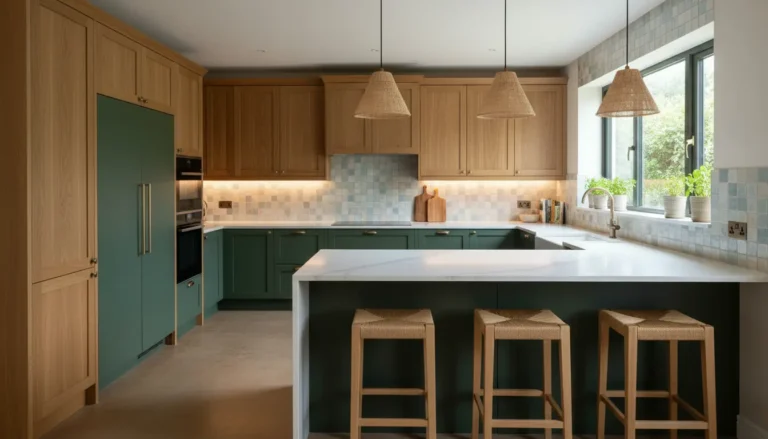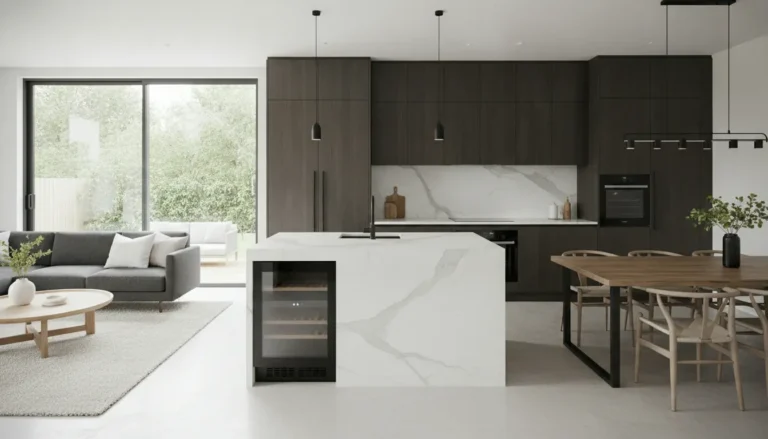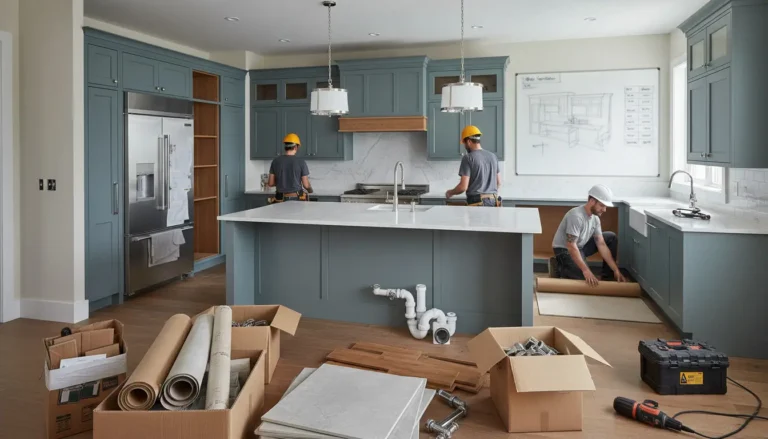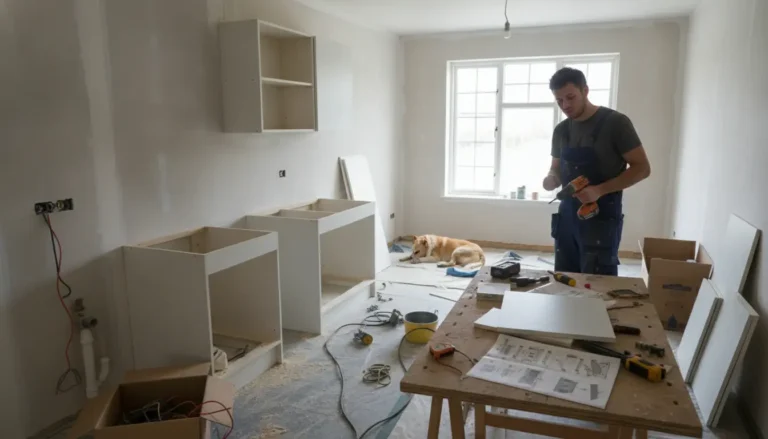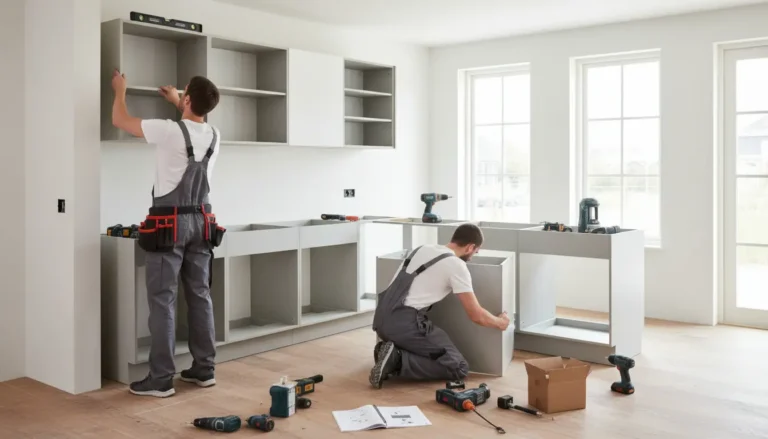
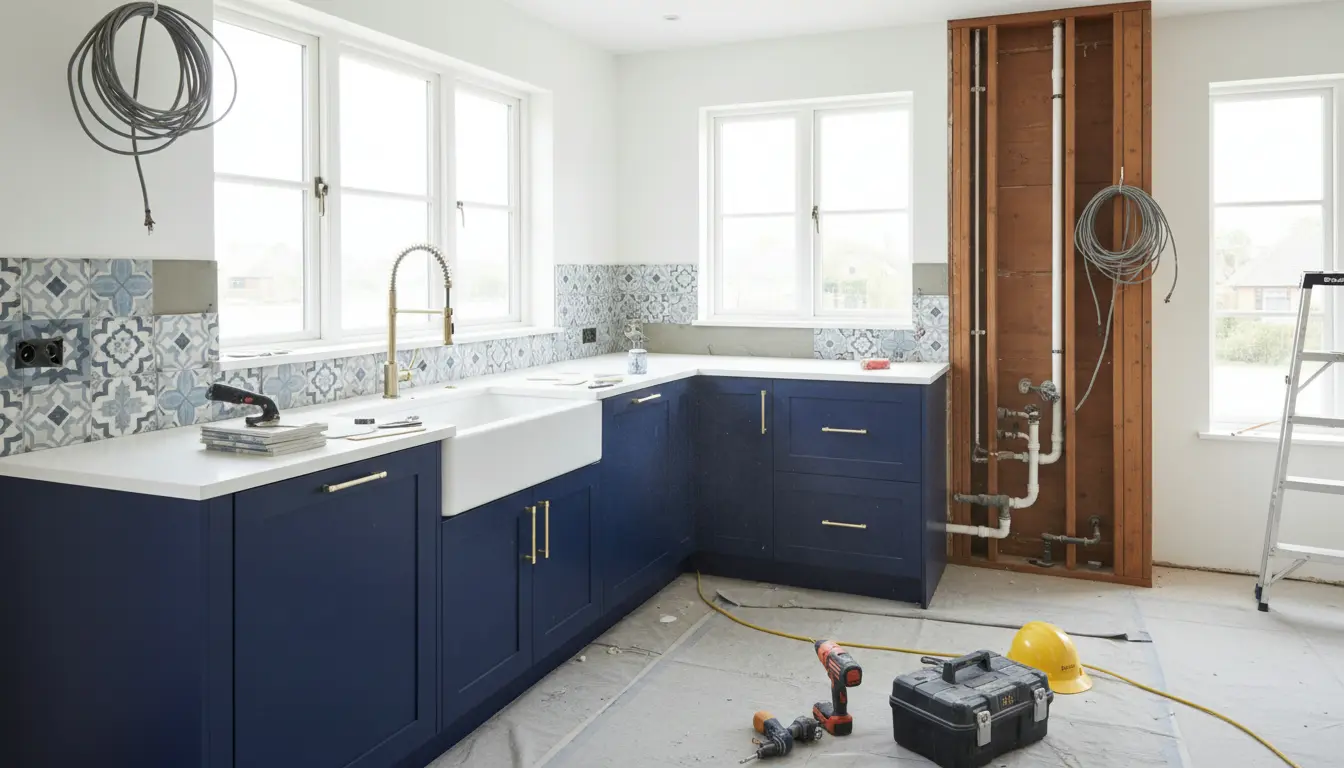
Kitchen renovation should make your home work better without turning daily life upside down. This page helps you choose a smart, durable and cost-conscious upgrade for your existing kitchen, from new fronts and countertops to layout improvements, appliances and full installation support. With practical guidance, clear comparisons and conversion-focused planning, you can decide whether renovation or replacement delivers the best value. Explore the options, avoid common mistakes and take the next step toward a kitchen that feels new, functions better and fits your budget.
Transform the kitchen you already have
A successful kitchen renovation does not always start with removing everything. In many homes, the cabinets, walls, plumbing positions and overall layout are still usable. What no longer works is often the surface, storage, lighting, worktop, appliances or the way the room supports everyday routines. By keeping what is structurally sound and upgrading what has the biggest impact, you can create a fresh, practical and attractive kitchen with less waste, less disruption and a more controlled budget.
This approach is especially useful if you like the position of your sink, cooking area and refrigerator, but dislike the dated doors, worn countertop or lack of storage. It is also a strong option when you want a more modern look before selling your home, welcoming a growing family or making open-plan living feel more polished.
Why homeowners choose renovation over starting from scratch
Renovating your kitchen gives you the freedom to improve comfort and style while avoiding unnecessary replacement. Instead of paying for a completely new space, you focus the investment where it matters most. The result can be dramatic, especially when new cabinet fronts, a durable work surface and better lighting are combined with professional installation.
-
Lower overall cost: Reusing existing cabinet frames or utility positions can reduce labour and material costs.
-
Faster completion: Many targeted upgrades take far less time than a full rebuild.
-
Less disruption: You can often continue living at home with fewer construction issues.
-
More sustainable: Keeping usable parts prevents unnecessary waste.
-
Tailored results: You can choose finishes, storage and appliances that match your habits.
For example, a compact apartment kitchen may only need painted or replaced fronts, integrated lighting and pull-out storage to feel twice as practical. A family kitchen may benefit more from a scratch-resistant worktop, a quieter dishwasher, deeper drawers and a more durable floor. The best renovation is not the most expensive one; it is the one that solves the right problems.
Options that create the biggest visual impact
Cabinet fronts and surface upgrades
Cabinet doors are often the first thing people notice. Replacing or refinishing them can completely change the atmosphere of the room. A dated wooden kitchen can become calm and contemporary with warm neutral fronts. A plain white kitchen can gain depth with handleless doors, dark accents or natural wood details. If you are comparing styles, explore kitchen cabinets to understand how different finishes influence the final look.
Front replacement is ideal when your cabinet boxes are stable, level and still functional. Refacing or repainting can also work well, provided the existing material is suitable and the preparation is done properly. Wrapping can be fast and affordable, but it is more sensitive to heat, scratching and peeling, so it is best for short-term refreshes rather than long-term performance.
Countertops that work harder
The countertop carries daily use: chopping, cleaning, cooking, serving and family life. Replacing a worn worktop with quartz, composite, laminate, solid surface, wood or stone can immediately improve hygiene, durability and style. The right choice depends on your cooking habits. A busy household may prefer a low-maintenance and stain-resistant surface. A design-focused homeowner may choose a more distinctive texture or edge profile.
A practical scenario is replacing a damaged laminate top with a modern composite surface while keeping the same cabinet base. Add a new sink and tap, and the kitchen feels far more premium without changing the full layout.
Appliances and utilities
Old appliances often waste energy, make noise and limit how you cook. During a kitchen renovation, it is smart to review the oven, cooktop, extractor, refrigerator and dishwasher together. If you are moving from gas to induction, the electrical supply may need to be checked. If you want a larger dishwasher or an integrated refrigerator, the cabinetry and ventilation must be planned carefully.
Professional coordination matters here. Plumbing, drainage, electrical wiring and appliance ventilation must be safe, neat and reliable. A beautiful kitchen loses value quickly if the connections are poorly handled.
Smart storage makes daily life easier
Many kitchens look acceptable but fail in everyday use. Pans are stacked awkwardly, cleaning products are hard to reach and corner cabinets become wasted space. A renovation is the perfect moment to add smarter storage without expanding the room.
-
Deep drawers for pans, bowls and dry goods.
-
Pull-out shelves for lower cabinets.
-
Corner systems that make hidden space accessible.
-
Internal organisers for cutlery, spices and cleaning items.
-
Vertical storage for trays, boards and lids.
If your biggest frustration is clutter, the smartest investment may be storage rather than luxury finishes. For more focused ideas, see kitchen cabinet storage and consider which solutions match your daily routine.
Renovation or a completely new kitchen?
This is one of the most important decisions. Kitchen renovation is usually the right choice when the basic layout works, the cabinet structure is sound and the main goal is to improve appearance, comfort or selected functions. A new kitchen may be better when the layout is wrong, the cabinets are damaged, the room needs major structural changes or you plan to replace almost every element anyway.
Consider a renovation when you want:
-
New cabinet fronts while keeping strong cabinet frames.
-
A better countertop, sink and tap.
-
Updated appliances in the same positions.
-
Improved storage in existing cabinets.
-
A fresh style without a full construction project.
Consider a full replacement when you need:
-
A completely different layout.
-
Major plumbing, gas or electrical relocation.
-
New floors, walls and structural preparation throughout.
-
Cabinets that are swollen, unstable or badly aligned.
-
A long-term redesign from the ground up.
A good advisor will not push the most expensive option. The right process compares both paths clearly, including material costs, labour, timeline, expected lifespan and final value.
What makes a renovation feel premium
The difference between a basic refresh and a high-quality result is usually in the details. Straight lines, aligned doors, clean caulking, well-fitted plinths, balanced lighting and reliable connections all influence how the kitchen feels. A countertop that is measured precisely, doors that close softly and appliances that sit flush can make a renovated kitchen look like a newly designed one.
Pay special attention to transitions: where the worktop meets the wall, where the floor meets the plinth and where panels meet appliances. These details are easy to overlook in planning, but they define the finished result. If you are upgrading cabinets specifically, kitchen cabinet renovation can help you understand how targeted cabinet work supports the wider project.
Proof that careful planning pays off
Homeowners often report the same positive outcome after a well-planned renovation: visitors assume the kitchen is completely new. That reaction usually comes from combining several visible upgrades with practical improvements behind the scenes. New fronts alone can help, but new fronts plus a fresh worktop, better lighting, adjusted drawers and modern appliances can transform both appearance and experience.
Another common benefit is budget confidence. Clear planning reduces surprise costs because decisions are made before work begins. Measurements are checked, materials are selected, delivery is coordinated and installation steps are sequenced. That means fewer delays and fewer compromises during the project.
A simple path from idea to installation
The best kitchen renovation process starts with a clear assessment. What do you want to keep? What frustrates you? Which elements are damaged, inefficient or outdated? From there, you can prioritise changes based on impact and budget.
-
Assess the current kitchen: Check cabinet condition, layout, utilities, ventilation and surfaces.
-
Define the goal: Decide whether the priority is style, storage, durability, energy efficiency or resale value.
-
Compare options: Review front replacement, painting, refacing, new worktops, appliance upgrades and full replacement.
-
Plan installation: Align delivery, removal, utility work and finishing details.
-
Confirm the final quote: Make sure materials, labour and exclusions are clear before work begins.
If you are ready to move forward, request an assessment and ask for a clear comparison between renovation and replacement. A transparent recommendation helps you invest with confidence and avoid paying for changes you do not need.
Ready for a kitchen that finally fits your life?
Your kitchen should support how you cook, gather, clean and live. Whether you need a refined cosmetic upgrade or a deeper renovation with new appliances and storage, the right plan can create a space that feels modern, efficient and personal. Start with expert guidance, compare your options and choose the renovation route that gives you the strongest result for your budget.
A smart kitchen renovation can refresh your home, improve daily comfort and extend the life of your existing space without unnecessary waste or overspending. By focusing on the right upgrades, such as cabinet fronts, countertops, storage, lighting and appliances, you get visible impact and practical value. If you want a kitchen that looks better, works harder and fits your budget, now is the time to request tailored advice and take the first step toward your transformation.
Frequently asked questions about kitchen renovation
Is kitchen renovation cheaper than buying a new kitchen?
Kitchen renovation is often cheaper when the existing layout and cabinet structure are still in good condition. Replacing fronts, worktops, handles, lighting or appliances can deliver a major transformation without paying for a full rebuild. If almost everything needs replacement, a new kitchen may offer better long-term value.
How long does a kitchen renovation usually take?
The timeline depends on the scope. A simple visual refresh can be completed much faster than a renovation involving countertops, plumbing, electrical changes and appliance installation. The best way to prevent delays is to measure accurately, order materials in advance and confirm every installation step before work begins.
Can I keep my existing kitchen cabinets?
Yes, you can often keep existing cabinets if the frames are stable, dry, level and properly fixed. In that case, new doors, drawer fronts, panels and internal organisers can make the kitchen feel new. If the cabinet boxes are swollen, damaged or misaligned, replacement may be the safer choice.
Is wrapping a good option for kitchen renovation?
Wrapping can be a quick and affordable way to change the look of a kitchen, but it is not always the most durable solution. Vinyl can be sensitive to heat, scratches, peeling and fading. For a longer-lasting kitchen renovation, front replacement, professional painting or refacing may be more reliable.
Do I need professionals for a kitchen renovation?
Professional help is recommended when the project involves countertops, appliances, plumbing, electrical work, gas connections or precise cabinet installation. Skilled installers improve safety, alignment and finish quality. You may handle small cosmetic changes yourself, but technical work should be planned and completed by experienced specialists.
About the Author