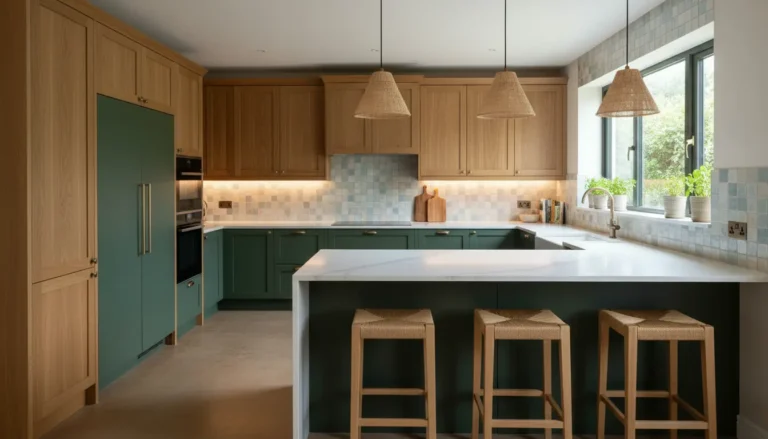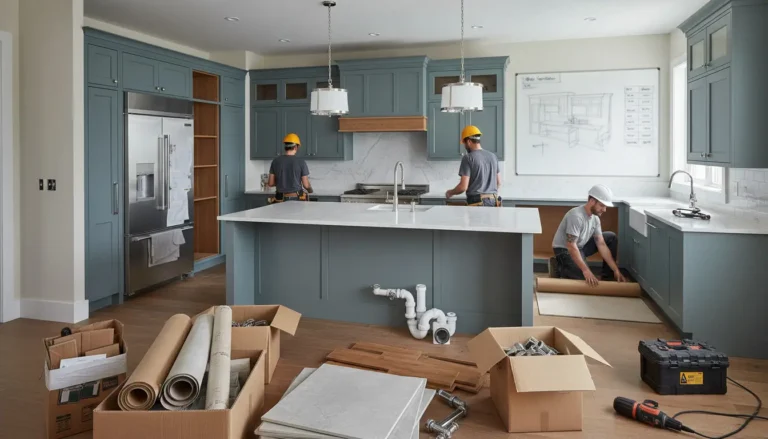

Kitchen renovation cost estimator tools should do more than produce a vague number. This page helps you understand the real cost drivers behind your remodel, compare practical scenarios, and move from guesswork to a confident budget. Built around common renovation variables such as layout, cabinetry, countertops, installation, storage, and finishes, it gives homeowners a clearer way to plan. Use it to prepare smarter questions, avoid costly surprises, and take the next step toward a kitchen that fits both your home and your budget.
Plan Your Kitchen Budget With Confidence
A kitchen renovation is exciting, but it can also feel financially unclear at the beginning. Many homeowners know what they dislike about their current kitchen, yet they are unsure how much it will take to create a space that works better. A reliable Kitchen renovation cost estimator brings structure to that decision. Instead of starting with random supplier quotes or showroom inspiration, you start with the factors that actually shape the final investment.
The strongest estimates consider the full renovation picture. Layout changes, cabinet quality, countertop material, storage upgrades, lighting, appliances, labor, and finishing details all influence the result. When these categories are reviewed together, you can see where your money is going and where adjustments can make the biggest difference.
This is especially useful before speaking with a contractor or designer. You can enter that conversation with a clearer budget range, a ranked wish list, and a realistic view of what is essential versus optional. That preparation often leads to faster decisions, fewer revisions, and a smoother renovation journey.
What Shapes the Cost of a Kitchen Renovation?
Every kitchen is different, but most renovation budgets are influenced by a familiar set of choices. Understanding these areas helps you interpret an estimate more accurately and avoid comparing projects that are not truly alike.
Layout and structural changes
Keeping your current layout is usually more cost efficient than moving plumbing, gas lines, walls, or major electrical points. For example, a homeowner who replaces cabinets and countertops in the same footprint may stay within a controlled budget. A homeowner who opens a wall, relocates the sink, and adds an island will need a larger allowance for labor, technical work, and permits.
Cabinets and storage
Cabinetry is often one of the largest parts of a renovation budget. Standard cabinets can create a clean, functional upgrade, while custom cabinets offer tailored dimensions, premium interiors, and a more refined finish. If cabinetry is central to your project, compare options through a focused guide such as kitchen cabinet cost planning before deciding where to invest.
Storage upgrades also affect the total. Pull out trays, pantry organization, corner solutions, cutlery dividers, waste basket pull outs, and spice organization can make daily use far more convenient. These additions may raise the estimate, but they often deliver value every single day because they reduce clutter and improve access.
Countertops, finishes, and appliances
Countertop material can move a budget quickly. Laminate, solid surface, quartz, natural stone, and premium composites each come with different price expectations, maintenance needs, and visual impact. Decorative finishes such as crown molding, end panels, premium doors, glass fronts, and statement hardware can also change the overall investment.
Appliances deserve careful planning as well. A basic replacement package may be manageable, while built in appliances, induction cooking, integrated refrigeration, and high performance ventilation require a more generous budget. The estimator helps you see these choices as part of one connected plan rather than isolated purchases.
Why a Smarter Estimate Leads to Better Decisions
A useful estimate does not pressure you into spending more. It helps you spend better. When you understand the financial impact of each decision, you can protect the parts of the kitchen that matter most to your lifestyle.
-
Clearer priorities: Choose whether storage, surfaces, layout, or finishes deserve the strongest investment.
-
Fewer budget shocks: Account for installation, preparation, and finishing work before the project begins.
-
Better contractor conversations: Share a more informed brief and compare proposals with greater confidence.
-
More realistic timing: Understand how material choices and custom elements may affect lead times.
-
Greater control: Adjust scope before commitments are made, rather than cutting corners late in the project.
For many homeowners, the biggest benefit is emotional clarity. A renovation involves personal taste, family routines, and financial responsibility. When the numbers are organized, the process feels less overwhelming and more achievable.
Practical Scenarios for Different Kitchen Goals
The efficient refresh
Imagine a compact kitchen where the layout works, but the room feels outdated. In this case, the estimate may focus on cabinet refacing or replacement, new countertops, updated lighting, a fresh backsplash, and improved hardware. Because plumbing and walls remain unchanged, more of the budget can go toward visible upgrades.
The family function upgrade
A busy household may need deeper drawers, better pantry storage, durable surfaces, and a stronger workflow between cooking, washing, and serving zones. The budget may include improved cabinets, upgraded organizers, a resilient countertop, and practical lighting. This type of project is less about luxury and more about making daily life easier.
The open plan transformation
For a homeowner who wants to connect the kitchen with a dining or living area, the estimate becomes more complex. Wall changes, flooring continuity, island design, electrical updates, and ventilation all need attention. The result can be dramatic, but the planning must be more detailed. A broader guide to kitchen renovation cost can help you understand how these larger choices affect the full budget.
How This Estimator Stands Apart From a Simple Calculator
Basic calculators often ask for room size and return a broad range. That can be useful as a starting point, but it may not reflect the decisions that truly matter. A conversion focused estimator should help you move from a rough number to a planning framework.
Instead of treating every kitchen as the same, a stronger approach looks at project intent. Are you replacing what already exists, improving storage, upgrading materials, or changing the footprint? Are you choosing standard cabinet construction or premium interiors? Are decorative finishes essential, or would you rather invest in durable countertops and functional lighting?
This matters because two kitchens of similar size can have very different budgets. One may use simple finishes and stock components. Another may include custom pantry organization, a large island, quartz surfaces, soft close drawers, and integrated lighting. The square footage is only part of the story.
Trusted Planning Principles Used by Renovation Professionals
Designers and renovation specialists often recommend building a budget around both home value and project scope. A common planning principle is to keep a major kitchen renovation proportionate to the value of the home, while also considering neighborhood expectations and long term use. The right investment is not always the lowest one. It is the one that supports your goals without overextending the project.
Homeowners also tend to make stronger decisions when they see the budget divided into categories. Cabinets, countertops, installation, appliances, flooring, lighting, and contingency should each be visible. This breakdown makes it easier to compare choices. If you choose premium cabinets, you may decide to keep flooring simple. If you want a statement countertop, you may reduce decorative trim or delay a luxury appliance upgrade.
Feedback from renovation planning conversations shows a consistent pattern: people feel more confident when they can test scenarios before requesting quotes. That confidence helps them ask sharper questions, identify unrealistic allowances, and recognize proposals that leave important work out.
Compare Estimating Before You Commit
Not every estimate serves the same purpose. A showroom quote may be product specific. A contractor proposal may focus on labor and project execution. A rule of thumb calculator may provide a broad benchmark. The best planning process uses each of these at the right moment.
-
Early planning estimate: Ideal when you need a budget range and want to understand cost drivers.
-
Design estimate: Useful when layout, materials, and finishes are becoming more specific.
-
Contractor quote: Necessary when measurements, site conditions, and installation details are confirmed.
-
Final proposal: Best used when every inclusion, exclusion, allowance, and timeline is clearly documented.
A Kitchen renovation cost estimator sits at the start of this journey. It helps you avoid entering the design or quoting phase unprepared. That early clarity can save time and prevent disappointment later.
Make Your Budget Work Harder
Once you have an estimate, the next step is optimization. Look for areas where spending creates lasting value. Durable cabinet boxes, smart storage, quality hinges, easy care countertops, and proper lighting usually improve the way a kitchen performs for years. Trend driven details can be added carefully, but the foundation should be practical.
If storage is a pain point, explore dedicated ideas such as kitchen cabinet storage solutions. A well planned cabinet interior can sometimes deliver more value than simply expanding the room. Better organization makes a kitchen feel larger, cleaner, and easier to use.
It is also wise to reserve part of the budget for the unexpected. Older homes may reveal uneven walls, outdated wiring, plumbing issues, or subfloor problems once work begins. A sensible contingency protects the project from stressful compromises.
Ready to Move From Estimate to Action?
If you are serious about renovating, do not wait until quotes arrive to define your budget. Start by mapping the choices that matter most: layout, cabinets, storage, countertops, finishes, labor, and contingency. Then use your estimate to shape a smarter brief for designers, suppliers, or contractors.
Your next step is simple: define your renovation goals, compare the scenarios that fit your home, and request advice with a realistic budget range in mind. A better estimate is not just a number. It is the foundation for a kitchen renovation that feels planned, controlled, and worth the investment.
A Kitchen renovation cost estimator gives you the clarity to plan before you spend. By breaking down layout, cabinets, storage, countertops, finishes, and installation, it helps you compare choices and avoid budget surprises. Whether you want a practical refresh or a full transformation, a structured estimate turns uncertainty into action. Start shaping your budget today and take the next confident step toward your new kitchen.
Frequently Asked Questions
How accurate is a Kitchen renovation cost estimator?
A Kitchen renovation cost estimator is most accurate when you enter realistic details about layout, cabinet quality, countertop materials, installation needs, and storage upgrades. It should be used as a planning range, not a final quote. Site conditions, labor rates, and exact measurements can still change the final price once a professional reviews the project.
What information should I prepare before using the estimator?
Before using a Kitchen renovation cost estimator, note your kitchen layout, approximate room size, desired cabinet style, countertop preference, appliance plans, and whether plumbing or walls will move. Also decide which features are essential, such as pantry storage or pull out organizers. Better inputs create a more useful budget range.
Can the estimator help me compare a remodel and a renovation?
Yes. A Kitchen renovation cost estimator can help compare a lighter remodel with a more complete renovation by showing how scope affects cost. Replacing finishes within the same layout is usually simpler. Moving services, changing walls, upgrading cabinetry, and adding an island will generally require a larger budget and more planning.
Why do cabinet choices affect the estimate so much?
Cabinets influence both function and visual impact, which is why they often represent a major share of the budget. Construction quality, door style, interior fittings, custom sizing, soft close hardware, and installation all matter. A Kitchen renovation cost estimator helps you see whether standard, premium, or custom cabinetry best fits your goals.
Should I get professional advice after using the estimator?
Yes. The estimator is an excellent first step, but professional advice confirms measurements, technical requirements, installation complexity, and product availability. Use the Kitchen renovation cost estimator to prepare a realistic budget and priority list, then share those details with a designer, supplier, or contractor for a more precise proposal.
About the Author