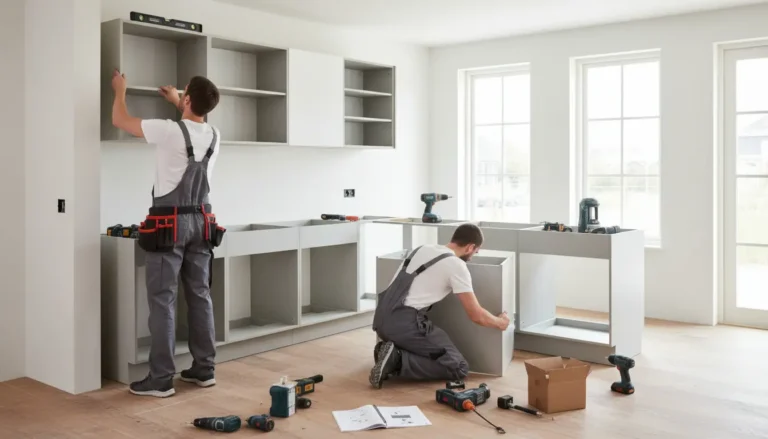

A Kitchen renovation budget should give you control before the first cabinet is removed. This guide helps you understand realistic cost drivers, compare renovation levels, avoid expensive surprises, and decide where to spend for the biggest return. Built around practical planning, transparent choices, and buyer-focused advice, it shows how to turn a dream kitchen into a clear, manageable project. Use it to plan confidently, request better quotes, and move forward with less stress.
Build a Budget That Starts With Your Real Goal
The smartest kitchen projects do not begin with a showroom visit. They begin with a clear answer to one question: what do you need your kitchen to do better? A beautiful kitchen that does not improve storage, workflow, lighting, or daily comfort can quickly feel disappointing. A well-planned budget connects every cost to a purpose.
Before you compare materials, decide whether your priority is a cosmetic refresh, a functional upgrade, or a full renovation. A cosmetic refresh may focus on painting cabinets, replacing hardware, updating lighting, and adding a new backsplash. A functional upgrade may include better cabinet storage, improved work zones, new appliances, and new countertops. A full renovation may involve layout changes, plumbing, electrical work, flooring, custom cabinetry, and premium finishes.
This distinction matters because the same room can have very different budgets depending on how much you change behind the visible surfaces. Keeping the sink, range, and refrigerator in the same location often saves money. Moving them can improve the layout, but it usually adds plumbing, wiring, flooring repairs, and extra labor.
Where Your Money Usually Goes
A realistic Kitchen renovation budget should separate visible upgrades from hidden technical costs. Homeowners often plan for cabinets and countertops first, then feel surprised when installation, demolition, disposal, electrical work, and finishing details add up. By grouping costs early, you can make better decisions and prevent last-minute compromises.
Cabinets and storage
Cabinets are often one of the largest parts of the budget because they define the layout, storage capacity, and visual style of the kitchen. Stock cabinets are usually the most affordable. Semi-custom cabinets offer more flexibility in sizes, finishes, and internal storage. Custom cabinets provide the most tailored result but can significantly increase cost and lead time.
If cabinets are in good condition, refacing, painting, or replacing only doors may be a smart route. If the cabinet boxes are damaged, poorly arranged, or too shallow for your needs, replacement may deliver better value. For detailed cabinet planning, explore kitchen cabinets and compare style, material, and layout options before committing.
Countertops, backsplash, and surfaces
Countertops influence both appearance and daily use. Laminate is budget-friendly and has improved dramatically in design. Butcher block adds warmth and can work well in selected areas. Quartz is popular because it is durable, consistent, and low maintenance. Natural stone can be striking, but it may require sealing and careful selection.
Backsplash costs vary widely. A simple ceramic tile can look clean and timeless without stretching the budget. Intricate patterns, handmade tile, and full-height stone backsplashes cost more in material and labor. If you want visual impact without overspending, choose a durable standard countertop and use the backsplash as the personality piece.
Labor, installation, and technical work
Labor can be the difference between a smooth renovation and an expensive correction project. Skilled installation protects your investment, especially with cabinets, stone countertops, electrical work, and plumbing. Cutting labor too aggressively may lead to uneven cabinets, poor alignment, water issues, or safety concerns.
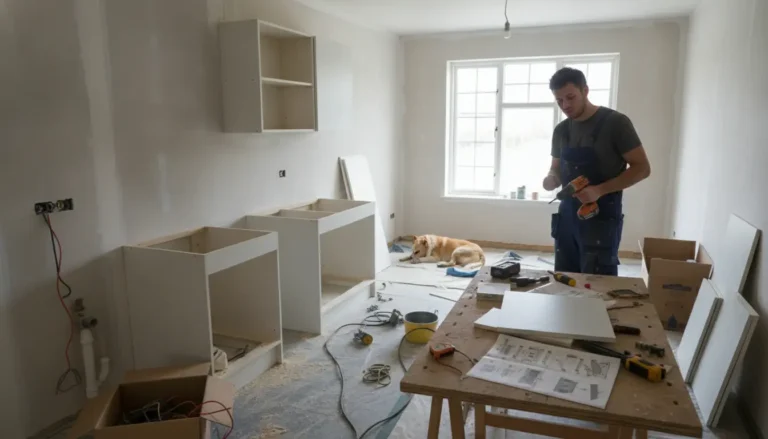
Some homeowners reduce costs by handling painting, hardware installation, demolition, or simple decorative work themselves. That can be effective if you have time, tools, and realistic expectations. However, structural changes, gas lines, electrical circuits, and plumbing connections should be handled by qualified professionals.
Three Practical Budget Scenarios
Every home is different, but planning with scenarios helps you understand trade-offs before you request quotes. The goal is not to choose the cheapest option. The goal is to choose the level that matches your home, your timeline, and your expected return.
Scenario one: smart refresh
This route is best when the kitchen layout works and the cabinet boxes are solid. You might paint or reface cabinets, install new hardware, replace a dated faucet, upgrade lighting, add a clean backsplash, and refresh walls. The kitchen feels new, but you avoid major demolition and technical changes.
- Best for homes where the layout is already practical.
- Good choice before selling if the kitchen looks dated but functions well.
- Often faster and less disruptive than a full remodel.
- Works well when you want a visible upgrade without moving plumbing or appliances.
Scenario two: mid-range transformation
This is the most common choice for homeowners who plan to stay in the home. It may include new cabinets, improved storage, durable countertops, updated appliances, modern lighting, and a more cohesive design. You may keep the existing layout but improve usability with drawers, pantry cabinets, pull-outs, and better work zones.
For many households, this level creates the best balance between cost and long-term satisfaction. You invest where it affects daily life: storage, lighting, surfaces, and appliance efficiency. If cabinets are the main cost driver, review kitchen cabinets cost to understand how material, size, and installation influence the final quote.
Scenario three: full renovation
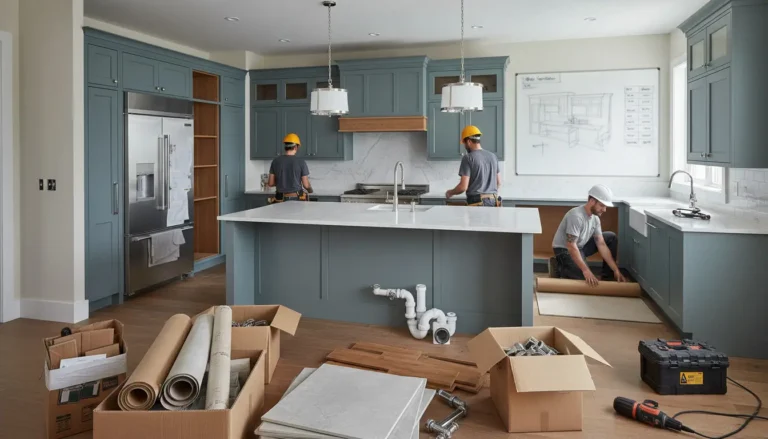
A full renovation is right when the existing kitchen no longer supports the home. You may remove walls, add an island, relocate appliances, replace flooring, upgrade electrical capacity, change plumbing, and install custom cabinetry. This can deliver a dramatic improvement, but it requires careful planning and a larger contingency.
The biggest advantage is freedom. You can correct poor traffic flow, create more counter space, open the room to dining or living areas, and build storage around your exact habits. The biggest risk is scope creep. Once walls are opened, hidden issues may appear. A strong budget includes a reserve for surprises.
How to Decide What Is Worth the Spend
The best spending choices are the ones you notice every day. Deep drawers near the range, a practical pantry, task lighting over prep areas, durable worktops, and quality hinges often matter more than dramatic decorative upgrades. If your budget is limited, prioritize function first and style second.
Use this simple ranking method before approving your quote:
- Must-haves: repairs, safe electrical work, reliable plumbing, functional cabinets, and durable surfaces.
- High-impact upgrades: lighting, storage organizers, quiet drawers, better appliance placement, and quality countertops.
- Nice-to-haves: premium hardware, decorative glass, luxury appliances, custom hood covers, and specialty finishes.
This approach keeps emotion from controlling the budget. It also gives you a clear way to reduce costs if quotes come back higher than expected. Instead of removing essential quality, you can pause or simplify decorative extras.
Proof That Planning Pays Off
Real renovation stories often show the same lesson: kitchens become expensive when decisions are made too late. Homeowners who price cabinets, appliances, countertop slabs, lighting, and labor before demolition are less likely to overspend. They also have more time to compare quotes and choose alternatives without pressure.
For example, a family with solid cabinet boxes might save substantially by painting cabinets, replacing hardware, and investing in quartz countertops. Another household with poor storage may get better value by replacing cabinets entirely and choosing a simpler backsplash. A third homeowner may decide that moving a refrigerator only a short distance is worthwhile, while moving the sink across the room is not.
Good planning also reduces relationship stress. Kitchen projects affect meals, routines, noise, dust, and daily movement through the home. A clear timeline, a reserve budget, and realistic choices make the process easier for everyone involved.
Compare Cheap, Affordable, and Value-Driven Choices
Cheap and affordable are not the same. Cheap means the lowest upfront price, often with compromises in durability, fit, or service. Affordable means the option fits your budget while still meeting performance needs. Value-driven means the choice improves daily use, supports resale appeal, and avoids premature replacement.
For example, the cheapest cabinet may look acceptable at first, but if hinges fail or surfaces chip quickly, replacement costs erase the savings. A premium custom cabinet may be beautiful, but it may not be necessary in a starter home or rental property. The right answer sits between your goals, home value, and expected years of use.
If you want to control spending without sacrificing function, compare options for affordable kitchen cabinets. The right cabinet strategy can free up money for lighting, installation, or countertops that perform well over time.
Budget Mistakes to Avoid
Even careful homeowners can overspend when they underestimate small decisions. Hardware, sink accessories, trim, disposal, delivery, permit fees, outlet changes, and finishing materials can quietly add hundreds or thousands to a project. The solution is not to avoid upgrades. The solution is to list them early.
- Do not order cabinets before confirming appliance dimensions.
- Do not choose countertops before understanding slab size, edge profiles, and installation needs.
- Do not assume moving plumbing is a small change.
- Do not spend the contingency on decorative upgrades before the project is complete.
- Do not accept a vague quote that hides labor, delivery, or finishing costs.
Ask every contractor or supplier to clarify what is included, what is excluded, and what could trigger extra charges. A detailed quote gives you leverage and confidence.
Ready to Turn Your Budget Into a Clear Plan?
If you are serious about renovating, start with a written scope. List what stays, what changes, what must be repaired, and what would be nice if the budget allows. Then request quotes based on the same scope so you can compare fairly. This prevents the common mistake of comparing one basic quote with another quote that includes higher-quality materials or more labor.
Your kitchen should make cooking, gathering, cleaning, and storage easier. A strong Kitchen renovation budget helps you invest with purpose, avoid regret, and choose a result that fits your home. Start by defining your renovation level, compare cabinet and surface options, and speak with suppliers who can translate your goals into real numbers. The sooner you plan clearly, the sooner you can renovate confidently.
A smart Kitchen renovation budget gives you more than a spending limit. It helps you prioritize function, compare materials, control hidden costs, and make confident decisions before work begins. Whether you choose a refresh, a mid-range upgrade, or a full renovation, the right plan protects your money and improves daily living. Ready to move forward? Define your scope, compare your options, and start planning a kitchen that works beautifully for your home.
Frequently Asked Questions
How much should I set aside for a Kitchen renovation budget?
Your Kitchen renovation budget depends on the size of the room, cabinet choice, labor, appliances, and whether you change the layout. A simple refresh costs far less than a full renovation with plumbing and electrical changes. Start with your must-haves, then add a contingency so unexpected repairs do not derail the project.
What is the biggest cost in most kitchen renovations?
Cabinets are often the largest single cost, especially when replacing the full layout or choosing custom sizes and finishes. Labor, countertops, and appliance upgrades can also be major expenses. If your Kitchen renovation budget is tight, compare refacing, painting, stock cabinets, and semi-custom options before deciding on full custom cabinetry.
Can I renovate a kitchen without moving plumbing?
Yes, and keeping plumbing in place is one of the best ways to control your Kitchen renovation budget. Leaving the sink, dishwasher, and major appliances near their existing locations reduces labor and technical work. You can still achieve a fresh look with new cabinets, surfaces, lighting, hardware, and better storage.
Should I do part of the renovation myself?
DIY can help your Kitchen renovation budget if you handle realistic tasks such as painting, removing old hardware, simple demolition, or installing decorative details. However, electrical work, plumbing, structural changes, and precise cabinet installation usually require professionals. Saving money is helpful, but poor workmanship can become more expensive to fix later.
How do I compare kitchen renovation quotes fairly?
Compare quotes only when each supplier is pricing the same scope, materials, labor, and finishing details. Ask what is included, what is excluded, and what may cost extra. A low quote may not include delivery, disposal, trim, installation, or adjustments. Clear comparisons protect your Kitchen renovation budget and reduce surprises.
About the Author