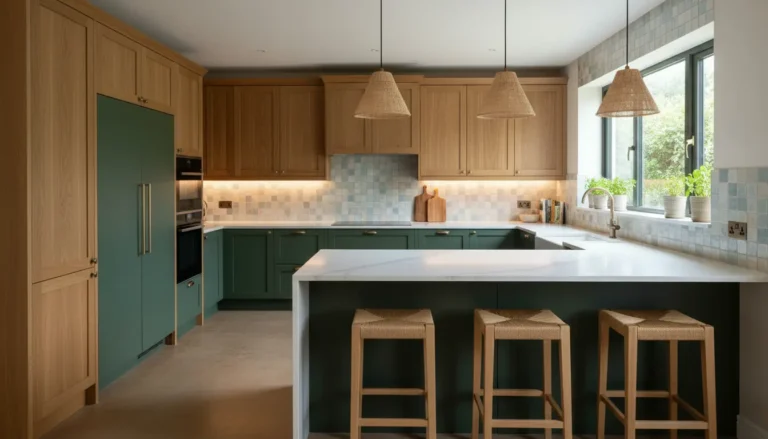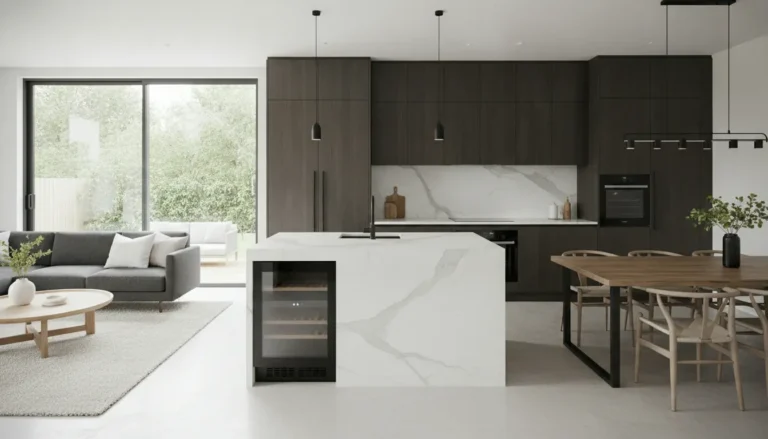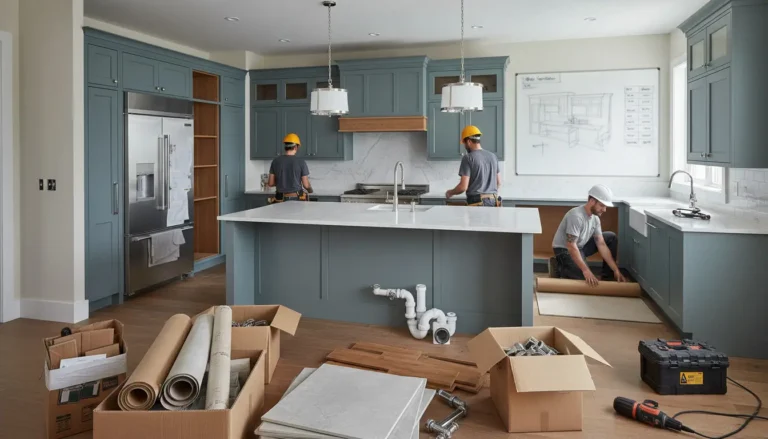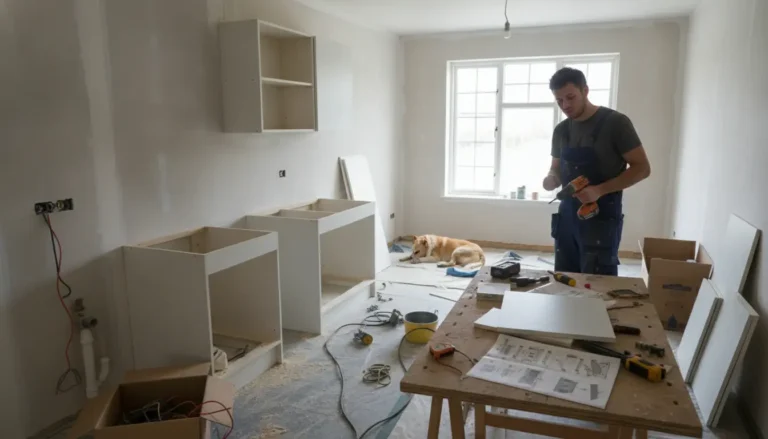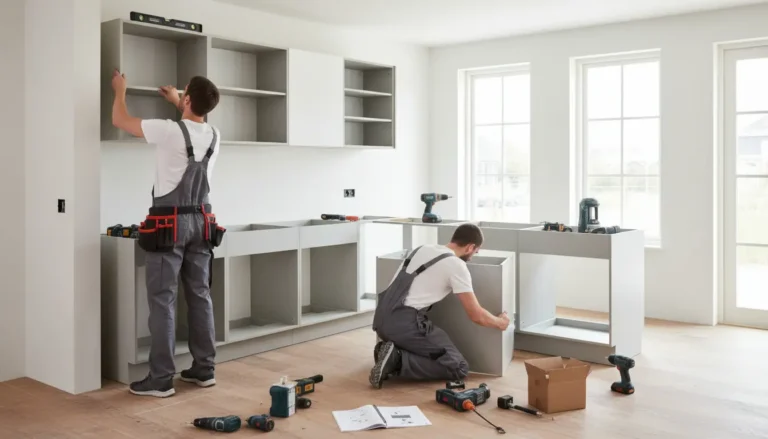
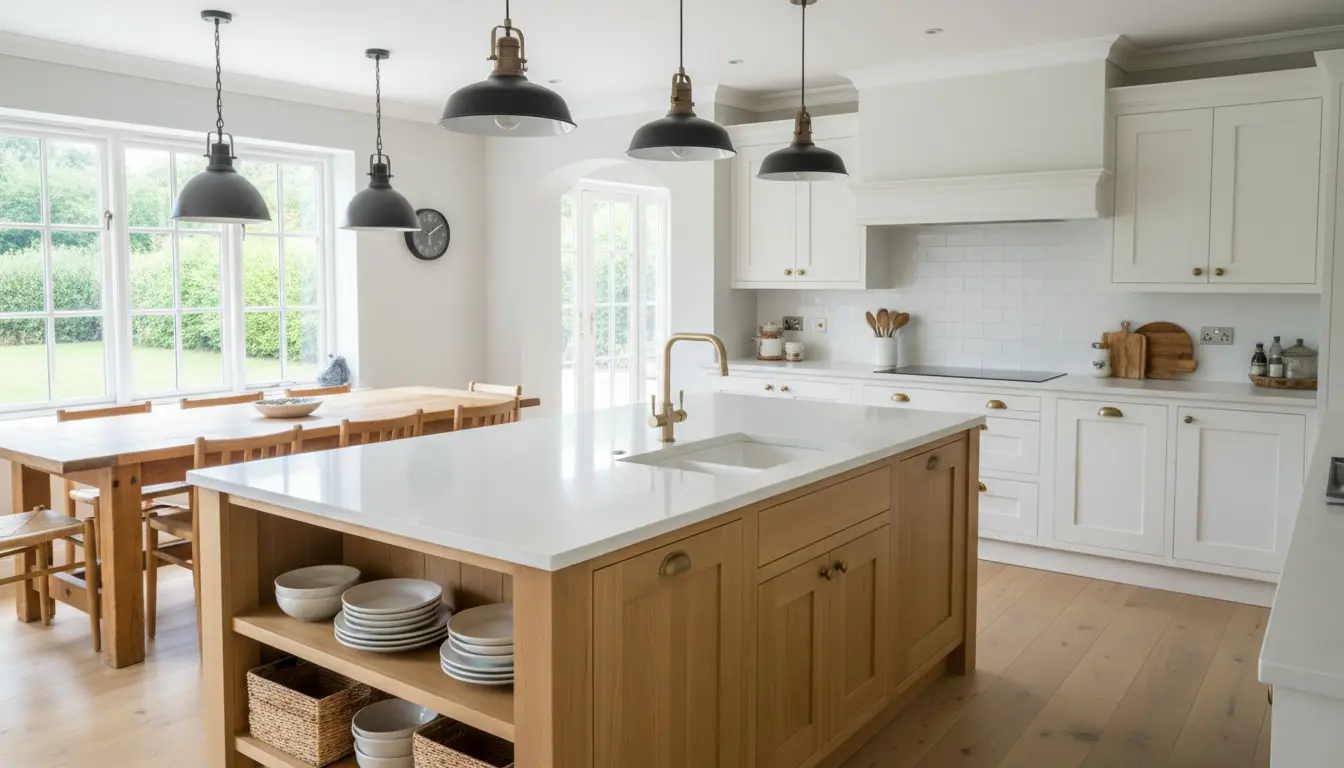
Kitchen island renovation can turn a plain builder grade island into the hardest working, best looking feature in your kitchen. This page helps you choose the right upgrades, from trim and paint to added storage, seating, countertops, lighting, and support. With practical design guidance and renovation focused advice, you can plan a smarter island makeover that improves daily use, increases visual impact, and helps you move confidently from inspiration to action.
Transform the Center of Your Kitchen With Purpose
A kitchen island is more than an extra worktop. It is where meals are prepared, homework gets finished, guests gather, coffee is poured, and storage either works beautifully or becomes a daily frustration. A well planned kitchen island renovation focuses on how you actually live, not just how the island looks in a photo.
Many islands start as basic builder grade boxes with flat panels, limited storage, dated hardware, or an awkward raised bar. Renovating that structure can often create a custom look without replacing the entire kitchen. The right plan can make the island feel integrated with the cabinets, balanced with the room, and tailored to your routines.
What a Smart Island Upgrade Can Improve
The best island renovations solve several problems at once. Instead of changing only the color or adding decorative trim, think about comfort, movement, storage, durability, and style together. This creates a result that feels intentional and worth the investment.
- More usable surface area: A wider or better shaped top can make cooking, serving, and casual dining easier.
- Better seating: Lowering a raised bar to counter height can make the island feel more open and social.
- Added storage: Deep drawers, side cabinets, pull out organizers, or open shelving can reduce clutter.
- Custom appearance: Side panels, shaker style trim, fresh paint, and upgraded hardware can make a simple island look built in.
- Improved workflow: A better layout helps you move between sink, hob, fridge, pantry, and prep zones with less effort.
Design Choices That Make the Biggest Difference
Trim, panels, and end details
Adding trim is one of the most effective ways to elevate a plain island. Shaker panels, vertical slats, furniture style end panels, or a framed back panel can give the island depth and character. For example, a simple white cabinet run can gain warmth with a painted blue or green island wrapped in clean paneling. A modern kitchen can benefit from flat slab panels and handleless details.
Pay attention to toe kick areas and corners. Closing off an end panel can create a furniture like appearance, while preserving the toe kick can be more practical in a busy household with children, pets, or heavy foot traffic. The right choice depends on how the island is used every day.
Paint and cabinet color
Color can completely change the feeling of the room. A dark island grounds a bright kitchen. A warm wood finish softens a white space. A grey, blue, or green island can create a focal point without overwhelming the design. If the surrounding cabinets are neutral, the island is a safe place to introduce contrast.
If your renovation includes surrounding cabinetry, review finish options and layouts through kitchen cabinet design guidance before choosing the final island look. The island should stand out for the right reasons, not feel disconnected from the rest of the kitchen.
Countertops and overhangs
The countertop determines how the island performs. A butcher block top adds warmth and is ideal for relaxed family kitchens. Quartz offers durability and a clean finish. Natural stone creates a premium statement, while laminate can be a practical budget friendly choice when selected carefully.
If you are increasing overhang for seating, support matters. Larger tops may require hidden brackets, side panels, legs, or cabinets underneath. This is especially important when changing from a curved raised bar to a straighter counter height eating area. Comfort also matters: guests need knee space, and stools should not block walkways.
Storage Upgrades That Feel Instantly Useful
Island storage should match your habits. If you bake often, deep drawers for mixing bowls, trays, and ingredients can save time. If the island faces the dining area, shallow cabinets for placemats, candles, and serving pieces may be more useful. If the island is the family command center, add charging drawers, outlets, and concealed storage for devices.
Practical storage ideas include:
- Wide drawers for cookware and lids.
- Pull out bins for waste and recycling.
- Open shelves for cookbooks or display pieces.
- Side cabinets for seasonal items or small appliances.
- Integrated power for laptops, mixers, and phone charging.
For kitchens where storage is the main pain point, explore kitchen cabinet storage ideas and adapt the best solutions to the island. Even a modest renovation can make the kitchen feel larger when everything has a clear place.
When to Renovate Instead of Replace
Renovation is often the right choice when the island structure is solid, the layout works, and the main problems are style, surface space, or storage. Replacement is worth considering when the island is badly positioned, too small for the room, poorly built, or blocking circulation.
Here is a simple way to compare your options:
- Choose a refresh if you need paint, hardware, trim, or a more polished look.
- Choose a functional renovation if you need better seating, outlets, storage, or countertop changes.
- Choose a full rebuild if the island shape, location, plumbing, or electrical setup no longer supports your kitchen plan.
A homeowner with a basic island may only need new end panels, shaker trim, paint, and modern handles to achieve a high end result. Another homeowner may need to lower a raised breakfast bar, add a larger surface, and install support cabinets beneath the overhang. Both are kitchen island renovation projects, but the scope, budget, and timeline are different.
Real Life Scenarios That Guide Better Decisions
The builder grade island
This island usually has plain side panels, minimal detail, and standard hardware. The fastest transformation is to add trim, wrap the back panel, prime carefully, and paint in a durable finish. New hardware and a more substantial countertop edge can make the island feel custom without changing the footprint.
The awkward raised bar
A raised bar can visually divide the kitchen and limit prep space. Lowering it to counter height creates one continuous surface, which is better for serving, cooking, and casual meals. This renovation may involve countertop replacement, structural support, and refinishing the exposed areas.
The island with too little storage
If the island looks fine but fails functionally, focus on cabinet interiors. Add deep drawers, pull outs, tray dividers, or side facing doors. If there is unused space under a large overhang, consider whether shallow cabinets can be added without compromising seating comfort.
Why Homeowners Value a Well Planned Renovation
Homeowners often notice the biggest difference in everyday convenience. A renovated island reduces clutter, creates a better gathering point, and makes the kitchen feel more finished. Guests see the island first, but the real value is felt during weeknight cooking, weekend hosting, and busy mornings.
Well executed island upgrades also support resale appeal. Buyers notice storage, durable surfaces, quality finishes, and a layout that feels easy to use. A custom looking island can make the whole kitchen appear more premium, even when the surrounding cabinets remain unchanged.
How to Plan Your Kitchen Island Renovation
Start by measuring the space around the island and identifying the problems you want to solve. Do not begin with color alone. Ask what needs to work better, then choose the finishes that support that goal.
- Define the primary use: prep space, seating, storage, entertaining, or all of these.
- Check walkways: make sure added depth or seating will not crowd nearby cabinets or appliances.
- Choose the level of work: cosmetic refresh, structural change, storage upgrade, or full island rebuild.
- Select durable materials: choose paint, panels, hardware, and countertops that can handle daily use.
- Plan power and lighting: outlets and pendant placement can make the island far more functional.
If your island project is part of a larger update, compare it with broader kitchen renovation planning so the island, cabinets, countertops, and layout work together.
Ready to Create an Island That Works Harder
Your island should earn its place in the kitchen. Whether you want a refined trim makeover, a larger counter height surface, a bold painted focal point, or smarter storage, the right renovation plan helps you avoid guesswork. Take the next step by defining your must haves, comparing material options, and choosing a design direction that improves both beauty and daily function.
Start planning your kitchen island renovation today and turn the busiest part of your kitchen into the feature you actually love using.
A thoughtful kitchen island renovation can add storage, improve seating, expand prep space, and give your kitchen a more custom, high value look. By choosing the right mix of trim, color, countertop, support, and storage, you create an island that works beautifully every day. Ready to upgrade the heart of your kitchen? Start with a clear plan and move toward a renovation that fits your home, style, and routine.
Frequently Asked Questions
Is kitchen island renovation cheaper than replacing the island?
In many cases, kitchen island renovation is cheaper than full replacement because the existing structure can be reused. A trim, paint, hardware, and countertop update may deliver a custom look for less. Costs rise when you change plumbing, electrical points, layout, or support for a larger overhang.
Can I lower a raised bar during a kitchen island renovation?
Yes, lowering a raised bar to counter height is a common kitchen island renovation choice. It creates a cleaner sightline, more usable surface area, and better space for serving or seating. The project may require countertop replacement, structural adjustments, and careful finishing where the old raised section was removed.
What upgrades add the most value to a kitchen island?
The most valuable upgrades are those that improve both appearance and function. Durable countertops, added drawers, hidden outlets, quality hardware, and custom style panels are strong choices. A kitchen island renovation that improves workflow, storage, and seating usually feels more worthwhile than a purely decorative change.
Can I renovate a builder grade kitchen island without replacing cabinets?
Yes, a builder grade island can often be transformed without replacing the cabinets. Adding side panels, trim, a fresh paint finish, and new hardware can make it look custom. If the cabinet boxes are solid and the layout works, kitchen island renovation is often a practical alternative to rebuilding.
How do I know if my island needs extra countertop support?
You may need extra support if the new countertop is heavier, wider, or has a deeper seating overhang. Support can come from brackets, legs, panels, or cabinets beneath the surface. During kitchen island renovation, always check material requirements and seating plans before ordering the final countertop.
About the Author