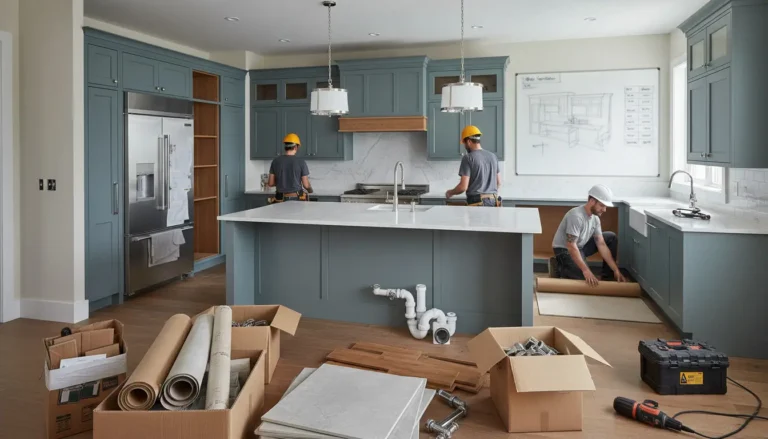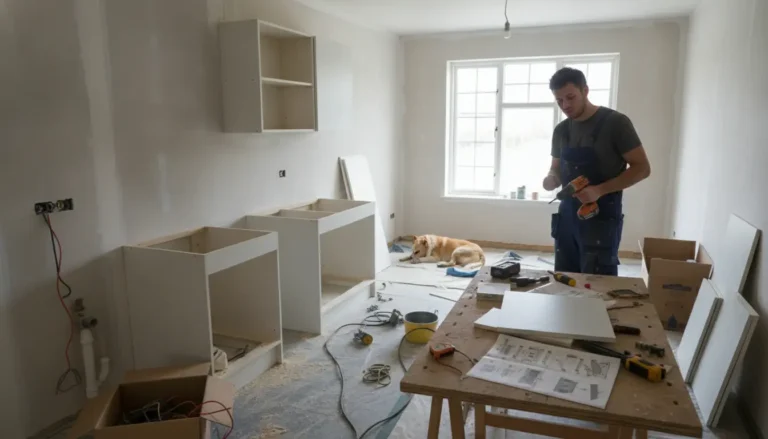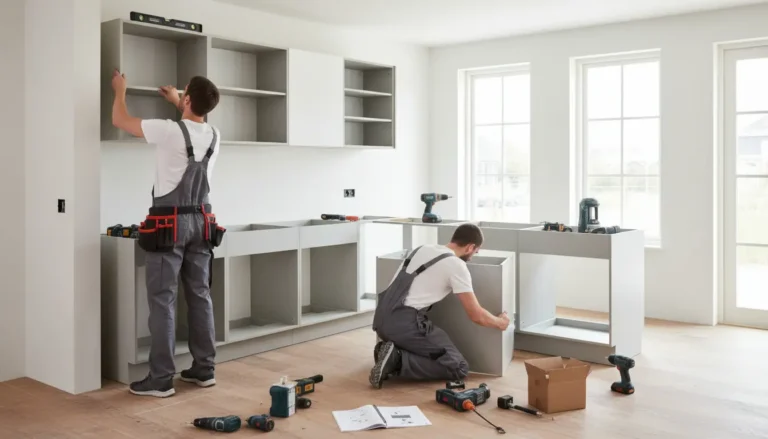
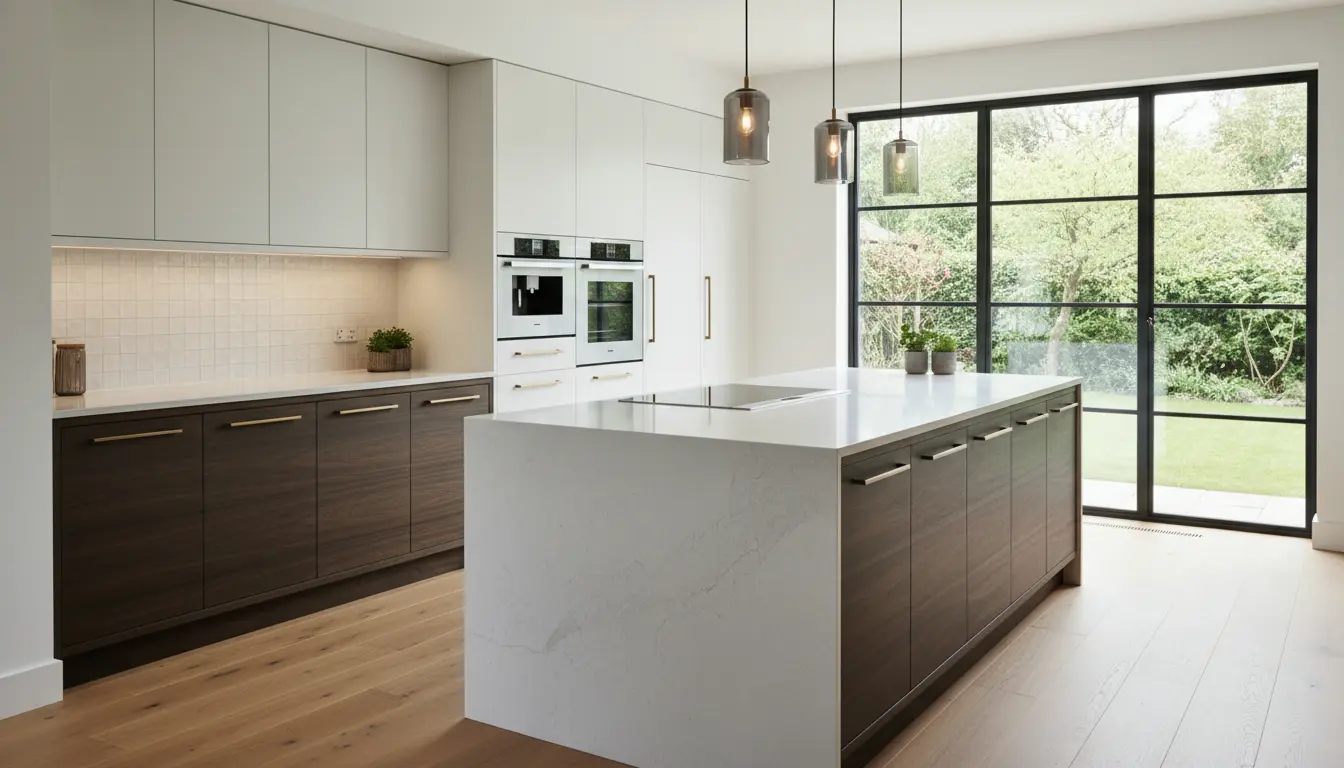
Kitchen cabinets design should solve storage, style, and daily workflow in one confident plan. This page helps you choose cabinet layouts, finishes, materials, and practical features that suit your home instead of copying generic inspiration. With clear guidance, real-life scenarios, and budget-aware recommendations, you can move from ideas to a kitchen that feels organized, durable, and easy to love. Explore what matters before you request a quote or start planning your renovation.
Design cabinets around the way you actually live
A beautiful kitchen starts with a clear understanding of daily habits. The best cabinets are not only attractive; they reduce clutter, shorten cooking routines, and make every shelf easier to reach. Before choosing colors or door styles, think about what happens in your kitchen from breakfast to late evening. Do you cook fresh meals often, entertain guests, prepare school lunches, store bulk groceries, or need a calm coffee corner before work?
When Kitchen cabinets design is planned around behavior, the room becomes more efficient immediately. A busy family may need deep drawers for pans, pull-out storage for snacks, and a durable finish that handles fingerprints. A compact apartment may benefit from tall cabinets, integrated organizers, and lighter colors that make the room feel open. A home chef may prioritize wide drawers near the cooktop, spice pull-outs, tray dividers, and under-cabinet lighting.
Key advantages of a well-planned cabinet layout
Cabinets control more of the kitchen experience than many homeowners realize. They define the visual style, determine how much storage you gain, and influence how easily the kitchen can be cleaned. A thoughtful plan can also improve resale appeal because buyers notice kitchens that feel both premium and practical.
-
Better storage: Use every corner, wall, and drawer with purpose so fewer items end up on the countertop.
-
Smoother workflow: Keep cookware, utensils, ingredients, and appliances close to where they are used.
-
Stronger style impact: Cabinet doors, handles, colors, and finishes create the main visual identity of the room.
-
Long-term value: Quality materials and timeless design decisions help the kitchen remain appealing for years.
-
Personal comfort: Heights, drawer positions, and storage zones can be matched to your body, routine, and preferences.
Choose a style that feels current without becoming dated
Trends can be inspiring, but your kitchen should not feel outdated after one season. The safest approach is to combine a timeless cabinet foundation with selected modern details. Shaker doors, slab fronts, wood textures, and soft matte finishes all work well when balanced with the architecture of the home.
Modern and minimal
For a clean look, choose flat doors, hidden handles, integrated appliances, and a limited color palette. This works especially well in open-plan homes where the kitchen is visible from the living area. Warm wood, soft grey, off-white, or muted green can keep minimal design from feeling cold.
Classic and inviting
If your home has traditional character, framed cabinet doors, subtle molding, glass-front sections, and warm finishes can create depth. Pairing classic cabinets with quartz worktops, modern lighting, and simple hardware keeps the design elegant rather than heavy.
Practical family style
Families often need finishes that hide marks, drawers that open smoothly, and storage that children can use safely. A mix of closed cabinets and open display areas can make the space feel personal while still keeping everyday items organized.
Smart storage details that change daily use
Small cabinet features can make the biggest difference. Instead of adding more cabinets everywhere, focus on smarter interiors. Deep drawers often work better than lower cupboards because you can see and reach everything without kneeling. Pull-out shelves help with narrow spaces, while vertical dividers are ideal for baking sheets, chopping boards, and serving trays.
Consider these practical upgrades during planning:
-
Pull-out pantry units for dry food, breakfast items, and cooking oils.
-
Corner solutions that prevent deep cabinet space from becoming wasted space.
-
Soft-close hinges and drawer runners for quieter, smoother everyday use.
-
Integrated bins that keep recycling and waste hidden but accessible.
-
Under-cabinet lighting for safer preparation and a warmer evening atmosphere.
-
Drawer organizers for cutlery, flatware, utensils, and spices.
If you are still comparing options, browse practical inspiration for kitchen cabinets to understand how materials, shapes, and storage features can work together.
Materials and finishes that support your budget
Cabinet cost depends on construction, door material, finish, hardware, and installation complexity. Solid wood offers natural character, but engineered materials can provide excellent stability and value. Laminate and thermofoil finishes are often practical for busy households, while painted doors create a refined look with many color possibilities.
The best choice is not always the most expensive one. A carefully selected mid-range cabinet with high-quality hinges, a durable surface, and a practical layout can outperform a costly design that does not suit your routine. Spend where it matters: drawers you use daily, hinges that last, finishes that clean easily, and storage systems that solve real problems.
Ready-made inspiration or a tailored cabinet plan?
Inspiration boards are useful for discovering colors and styles, but they rarely show whether a kitchen will function well in your exact room. A photo may feature perfect lighting, a larger footprint, or a different ceiling height. That is why a tailored plan is often more reliable when you are making final decisions.
Ready-made cabinets can be a smart choice when the room is straightforward and the budget is tight. They are usually faster to select and can work well in rental properties, utility spaces, or simple kitchen refreshes. Tailored cabinetry is better when you have unusual dimensions, need maximum storage, want a seamless built-in look, or expect the kitchen to serve multiple roles.
For homeowners who need an exact fit, custom kitchen cabinets can transform awkward corners, sloped ceilings, narrow walls, and mixed-use areas into practical storage. This can be especially valuable in older homes where standard sizes leave gaps or limit the layout.
How homeowners know they made the right decision
People often describe the best cabinet upgrades in practical terms: the kitchen feels calmer, cooking is easier, and guests notice the cleaner look. A family replacing shallow cupboards with deep drawers may finally store pans near the cooktop without stacking everything. A couple renovating a small kitchen may choose tall white cabinets and integrated lighting, making the room feel larger without extending the floor space.
Another common success story is the butler-style pantry or breakfast station. By dedicating one cabinet zone to coffee, cups, cereals, and small appliances, the main worktop stays clear. In larger kitchens, an appliance garage can hide the toaster, blender, or mixer while keeping them ready to use. These details feel small during planning, but they improve the kitchen every single day.
Questions to answer before requesting a cabinet quote
A strong quote starts with clear priorities. Before contacting a supplier, collect measurements, photos, and a list of what you like and dislike about your current kitchen. Then decide what matters most: more storage, a modern look, easier cleaning, better lighting, a family-friendly layout, or improved value before selling your home.
-
Which items are currently hard to store?
-
Where does clutter collect most often?
-
Do you prefer drawers, shelves, or a mix of both?
-
Which appliances should be integrated or hidden?
-
What finish will match your flooring, walls, and worktop?
-
What budget range feels comfortable before installation begins?
For clearer planning, review kitchen cabinet price guidance before comparing quotes. Understanding the main cost factors helps you judge value instead of choosing only the lowest number.
Turn your cabinet ideas into a confident plan
The next step is simple: define your layout goals, choose a style direction, and decide which storage features will make daily life easier. A good cabinet plan should feel personal, not copied. It should support cooking, cleaning, hosting, and relaxing while staying within a realistic budget.
If you want a kitchen that looks polished and works harder every day, start with a focused cabinet consultation or request a design proposal. Bring your measurements, inspiration images, and practical wish list. The right plan will help you avoid costly mistakes, compare options clearly, and move forward with confidence.
Great Kitchen cabinets design combines storage, comfort, style, and long-term value. By choosing the right layout, durable materials, smart interiors, and finishes that suit your home, you create a kitchen that feels easier to use every day. Whether you want a modern refresh or a fully tailored renovation, start with a clear plan and expert guidance. Request your cabinet design advice today and take the first step toward a kitchen that truly works.
Frequently Asked Questions
What should I consider first in Kitchen cabinets design?
Start with how you use the kitchen every day. List what you cook, where clutter appears, which items are hard to reach, and how many people share the space. Kitchen cabinets design works best when the layout supports real routines before focusing on colors, handles, or decorative details.
Are custom cabinets worth the extra investment?
Custom cabinets are often worth it when your kitchen has awkward corners, unusual measurements, or very specific storage needs. They can reduce wasted space and create a more seamless finish. For simple rooms, standard cabinets may be enough, but Kitchen cabinets design becomes stronger when the fit solves practical problems.
Which cabinet color is best for a small kitchen?
Light colors such as white, soft grey, cream, or pale wood usually make a small kitchen feel larger and brighter. However, contrast can also work when used carefully. In Kitchen cabinets design, the best color depends on natural light, flooring, worktops, and whether you want a calm or bold atmosphere.
How can I keep kitchen cabinets within budget?
Set priorities before comparing quotes. Spend more on durable hinges, frequently used drawers, and practical storage systems, then simplify decorative extras if needed. Kitchen cabinets design can stay budget-friendly by choosing a smart layout, reliable materials, and finishes that offer good value without unnecessary complexity.
How long does a cabinet design process usually take?
The timeline depends on measurements, design revisions, material choices, and supplier availability. A simple refresh can move quickly, while a tailored renovation needs more planning. To avoid delays, prepare room dimensions, inspiration images, appliance details, and your budget range before starting the Kitchen cabinets design process.
About the Author