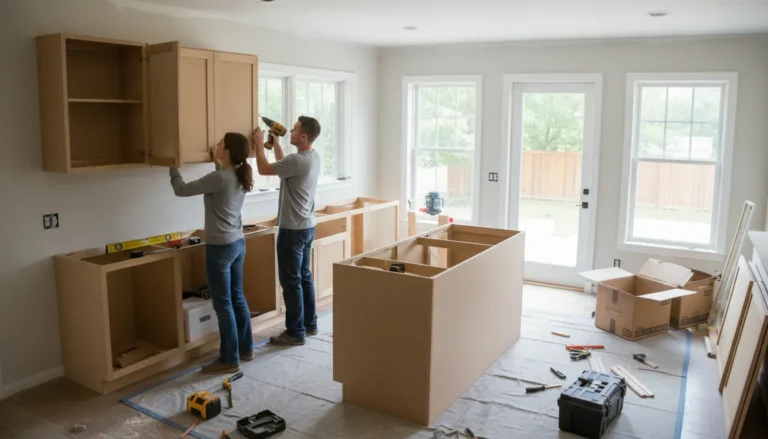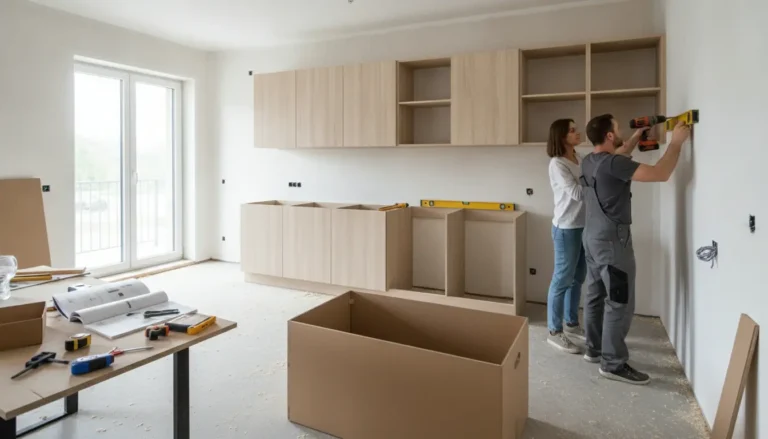
Kitchen countertop renovation gives you a faster, cleaner way to transform the room you use every day without committing to a full remodel. This page helps you choose the right surface, style, budget, and installation approach with confidence. Whether your counters are scratched, stained, dated, or simply no longer match your cabinets, you will find practical guidance, trusted comparisons, and clear next steps toward a kitchen that looks better and works harder.
Turn an outdated kitchen into a space that feels new
A countertop carries more visual weight than most homeowners expect. It frames the sink, connects the cabinets, sets the tone for lighting, and becomes the surface where daily routines happen. When it looks tired, the entire kitchen can feel older than it really is. A well planned kitchen countertop renovation can change that quickly, often without replacing cabinets, moving plumbing, or disrupting the whole layout.
The smartest renovation starts with a clear goal. Some homeowners want a brighter, more modern look. Others need better durability for cooking, children, guests, or rental use. Many want a refined finish before selling a home. Your best choice depends on how you use the kitchen, not only on how a slab looks in a showroom.
Why a new countertop delivers such a strong upgrade
Replacing or resurfacing a countertop is one of the most visible improvements you can make. It affects color, texture, cleanliness, and perceived quality at once. If your cabinets are still solid, a new counter can make them look more intentional and current.
-
Instant visual impact: A lighter surface can open a dark kitchen, while a dramatic stone pattern can create a premium focal point.
-
Better daily function: Modern materials resist stains, heat, moisture, and wear more effectively than many older laminate or tile counters.
-
Lower disruption: In many cases, the cabinets stay in place, which shortens the project and avoids unnecessary demolition.
-
Improved home appeal: Buyers often notice counters early because they signal maintenance, hygiene, and design quality.
-
Flexible budget control: You can choose from practical laminate, engineered quartz, compact surfaces, porcelain, or natural stone.
Choose the renovation path that fits your kitchen
Replacement for a complete surface reset
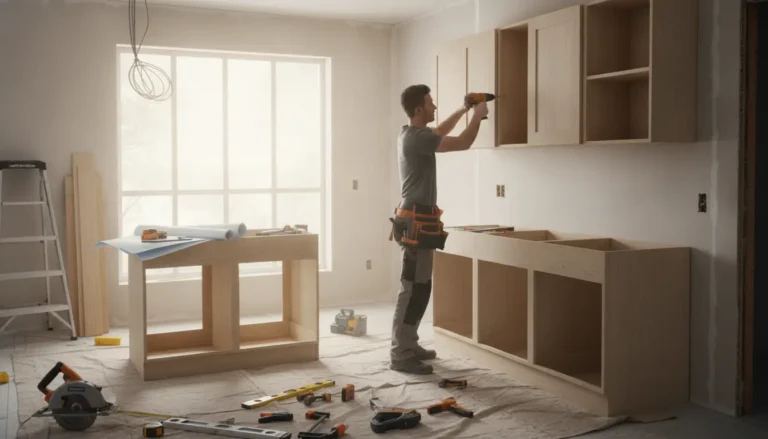
Full replacement is ideal when the existing counter is damaged, uneven, swollen, badly stained, or made from a material that no longer suits your lifestyle. The old surface is removed, templates are measured, and the new countertop is fabricated for a precise fit. This approach gives the cleanest result and the widest material choice.
For example, a family with a busy breakfast area may choose quartz for easy maintenance and stain resistance. A homeowner renovating a townhouse before listing may choose a neutral stone look to appeal to more buyers. Someone designing a chef inspired space may prefer stainless details, thick edges, or a hard wearing porcelain surface.
Resurfacing when the structure is still sound
If the base is stable and the existing countertop has only cosmetic issues, resurfacing can be a practical option. Paint systems, overlays, refinishing products, and thin surface applications may refresh the look at a lower cost. This can be useful for a short term improvement, a rental upgrade, or a budget focused refresh.
However, resurfacing is not a magic fix for deep water damage, loose seams, sagging sections, or poor installation underneath. A professional assessment helps prevent spending money on a surface that will not last.
Countertop upgrade with cabinet refresh
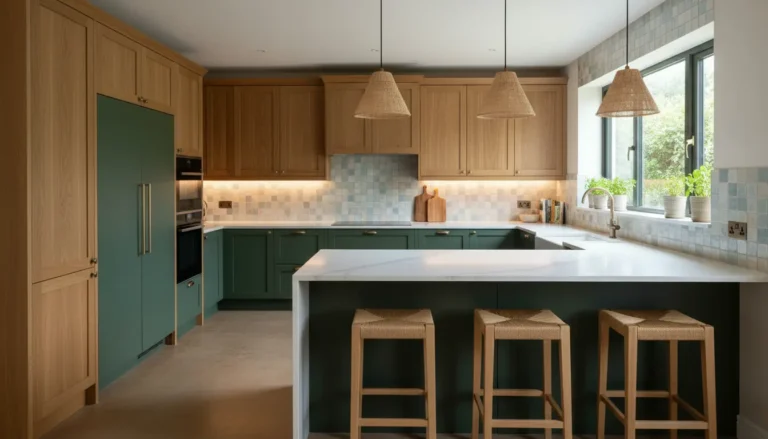
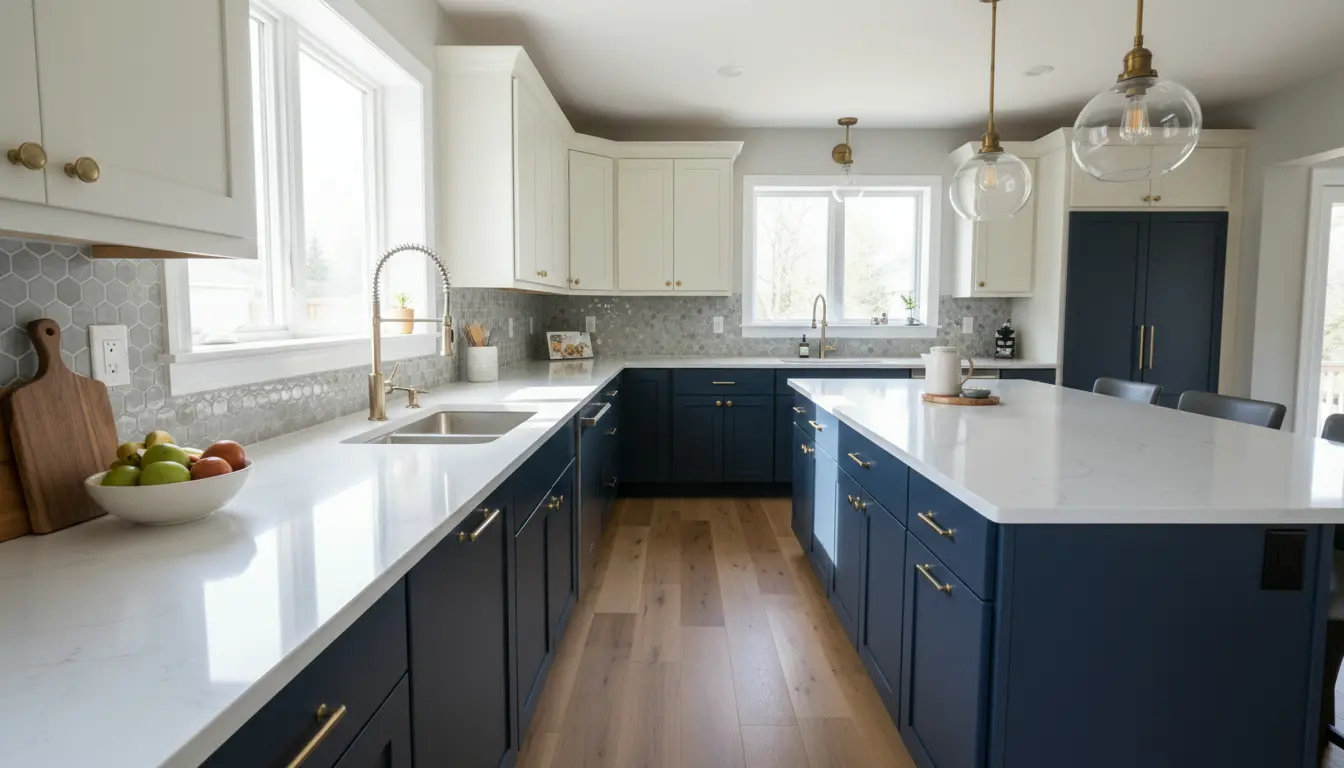
The best results often happen when the counter and cabinets are considered together. Dark cabinets can feel balanced with a bright worktop. White cabinets can become warmer with soft beige, stone, or wood inspired surfaces. Green, blue, black, or walnut cabinets can look more refined when paired with understated counters.
If your cabinets also need attention, explore kitchen cabinet renovation before finalizing the countertop. Matching both choices early helps avoid clashing undertones, awkward edge details, or handles that no longer suit the new finish.
Materials that match different lifestyles
No countertop material is perfect for every kitchen. The right one depends on maintenance habits, design goals, cooking style, and budget. Here is how common options compare in real life.
Quartz for low maintenance elegance
Quartz is popular because it combines a consistent appearance with strong daily performance. It does not need sealing, resists stains well, and comes in many colors from subtle marble effects to bold modern tones. It is a strong choice for families, frequent hosts, and anyone who wants a polished look without complicated care.
Natural stone for character and uniqueness
Granite, marble, quartzite, and other stones bring natural variation that cannot be perfectly copied. Each slab has unique movement, veining, and depth. Stone works beautifully in kitchens where the countertop should be a centerpiece. It may require sealing or more mindful care, especially with marble, but the visual reward can be exceptional.
Porcelain and compact surfaces for modern performance
Porcelain and compact surfaces offer a sleek look with strong resistance to heat, scratches, and UV exposure. They are excellent for contemporary kitchens, slim profiles, waterfall edges, and busy households. Because fabrication requires skill, choosing an experienced installer is especially important.
Laminate for a cost smart refresh
Modern laminate is far better looking than many older versions. It can imitate wood, stone, concrete, or solid color at a more accessible price. It is a good option for apartments, starter homes, utility spaces, and renovation plans where appearance matters but the budget must stay controlled.
Design choices that make the renovation feel custom
A successful kitchen countertop renovation is not just about the slab. Edge style, thickness, backsplash height, sink type, and color contrast all shape the final impression.
-
Use contrast carefully: Pair dark cabinets with a light counter for brightness, or use a deep counter with pale cabinets for drama.
-
Repeat undertones: Warm cabinet finishes usually pair better with creamy, beige, taupe, or soft stone tones than stark cool white.
-
Upgrade the sink: An undermount sink can create a cleaner line and make wiping crumbs easier.
-
Consider the backsplash: A matching splash looks seamless, while tile adds texture and personality.
-
Plan lighting: Under cabinet lighting can reveal the surface texture and make food preparation easier.
If you are rethinking the wider layout, compare countertop ideas with kitchen renovation design guidance. A counter can look beautiful on its own, but it performs best when the layout, storage, and lighting support it.
What homeowners often notice after the upgrade
After a countertop renovation, the first reaction is usually visual. The kitchen looks cleaner, newer, and more deliberate. But the practical changes often matter even more. Smooth surfaces are easier to wipe. Durable finishes reduce worry during cooking. A better sink cutout or wider prep zone can make weekday meals less stressful.
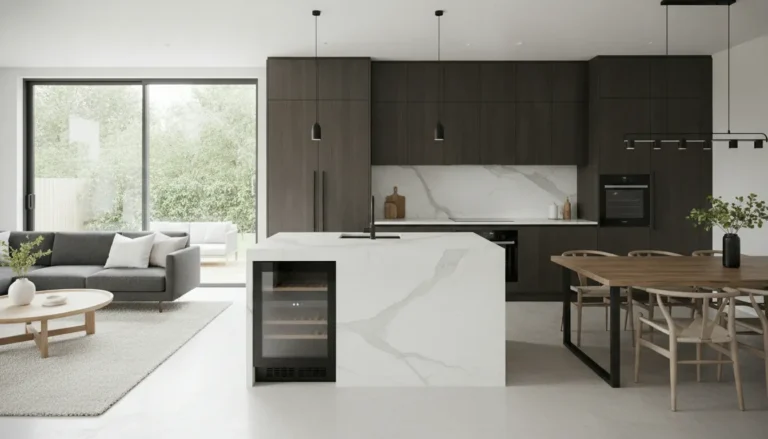
In open plan homes, the countertop also influences the living area. A refined island surface can become the place where guests gather, children do homework, or coffee is served in the morning. In smaller kitchens, a bright counter can reflect light and make the room feel less crowded. In older homes, a new surface can bridge traditional cabinets with modern appliances.
How to avoid costly mistakes
Many disappointing countertop projects happen because decisions are made in the wrong order. A beautiful material may fail to suit the cabinet strength, sink size, wall alignment, or lifestyle. Before you commit, confirm the following:
-
Measure the existing layout accurately and check whether cabinets are level.
-
Decide whether the sink, tap, hob, or splashback will be replaced at the same time.
-
View samples in your own kitchen light, not only under showroom lighting.
-
Ask how seams will be placed, especially on islands and long runs.
-
Compare maintenance requirements before choosing by appearance alone.
Cost planning also matters. Material, fabrication, removal, installation, sink cutouts, edge profiles, and disposal can all affect the final price. For a broader budget view, use kitchen renovation cost information to see how countertop work fits into the total investment.
When renovation is better than a full remodel
A full remodel makes sense when the layout is poor, cabinets are failing, or plumbing and electrics need major changes. But when the room already functions well, replacing the countertop can deliver much of the visual transformation at a lower level of disruption.
Imagine a kitchen with sturdy shaker cabinets, dated brown laminate, and good appliances. A pale quartz counter, new sink, and simple backsplash can make the entire space feel fresh. Or picture a compact apartment kitchen with flat grey cabinets and scratched counters. A warm stone effect laminate can soften the look without overcapitalizing. In a family kitchen with a large island, a durable porcelain surface can turn the island into a practical, stylish centerpiece.
Your next step toward a better countertop
The most confident way to begin is with a clear consultation. Gather photos of your current kitchen, note what frustrates you, and choose a few styles you like. Then compare materials against your daily habits, not only trends. A good renovation plan will explain what can stay, what should change, and which options give the best value.
If your counters feel outdated, stained, or out of sync with the rest of your home, now is the right time to explore your options. Choose a surface that improves the look, simplifies maintenance, and supports the way you actually live. Start with a practical plan, request expert input, and move toward a kitchen you will be proud to use every day.
A smart kitchen countertop renovation can refresh your kitchen quickly, improve daily use, and increase the sense of quality without a full remodel. By choosing the right material, color, edge, and installation approach, you get a surface that looks beautiful and performs under real life pressure. Ready to replace uncertainty with a clear plan? Compare your options, speak with a specialist, and take the first step toward a countertop upgrade today.
Frequently Asked Questions
Is Kitchen countertop renovation worth it if my cabinets are still good?
Yes, Kitchen countertop renovation is often ideal when cabinets are solid but the surface looks dated, scratched, or stained. A new counter can make existing cabinets feel newer and more intentional. It is especially worthwhile when the layout already works and you want a visible upgrade without the time, cost, and disruption of a full kitchen remodel.
Can I install new countertops over old cabinets?
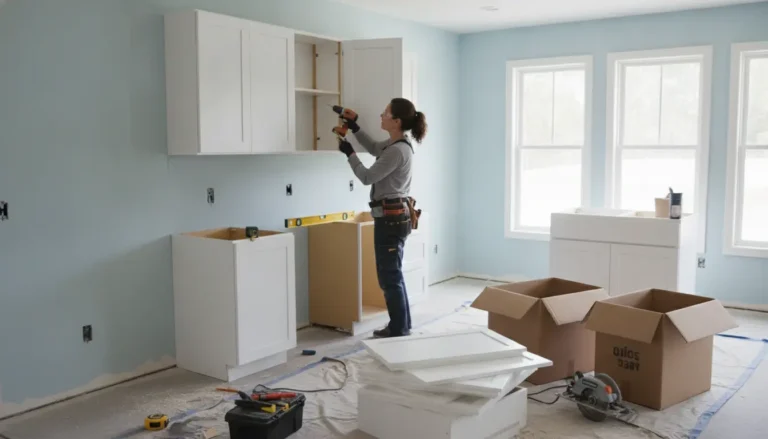
In many kitchens, new countertops can be installed over existing cabinets if the cabinet boxes are level, stable, and strong enough. Before installation, a professional should check support, moisture damage, and alignment. This approach can save time and reduce demolition, but weak or uneven cabinets should be repaired before the new surface is fitted.
Which material is best for a low maintenance kitchen?
For low maintenance use, quartz is often a strong choice because it resists stains, does not require sealing, and offers consistent colors. Porcelain and compact surfaces are also practical for busy homes. Natural stone can be beautiful, but some types need more care, so the best material depends on cooking habits and cleaning expectations.
Can Kitchen countertop renovation be done on a tight budget?
Kitchen countertop renovation can be adapted to different budgets. Laminate, resurfacing, and selective upgrades can refresh the look at a lower cost, while quartz, stone, or porcelain create a more premium result. The key is to compare total project costs, including removal, cutouts, edges, installation, and any sink or backsplash changes.
How do I choose a countertop color that will not look outdated quickly?
Choose a color that works with your cabinets, flooring, wall color, and natural light rather than following a short lived trend. Soft whites, warm neutrals, gentle stone patterns, and balanced contrast usually age well. Bring samples home and view them during the day and evening before making the final decision.
About the Author