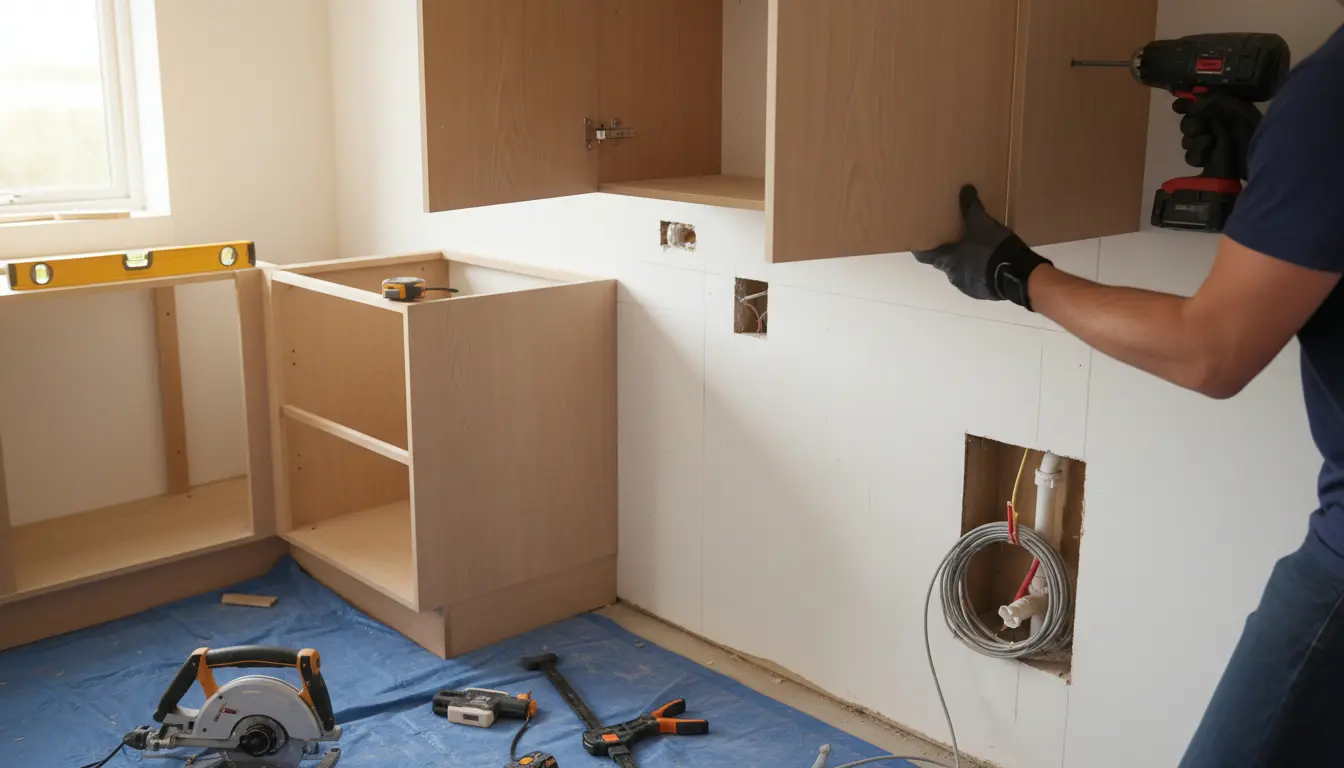
Kitchen cabinet installation video guidance helps you move from uncertainty to a clean, secure cabinet fit with fewer costly mistakes. This page shows what to look for before you drill, level, fasten, align, and finish your cabinets. Built for homeowners, renovators, and confident doers, it connects practical video learning with expert installation insight, so you can plan smarter, work safer, and decide when professional help is the better investment.
Install Cabinets With More Confidence Before You Start
A great cabinet installation does not begin with the first screw. It begins with understanding the room, the cabinet layout, the wall structure, the floor level, and the order of work. A Kitchen cabinet installation video gives you something written instructions cannot always provide: visual context. You can see how cabinets are lifted, supported, shimmed, fastened, checked, adjusted, and finished in real time.
That matters because cabinet installation is a precision project. A small mistake at the first wall cabinet can multiply across the entire kitchen. A base cabinet that is not level can affect the countertop. A tall pantry cabinet that is not properly supported can shift. Hardware installed too early can get damaged during fitting. Watching the right process first helps you avoid those frustrating problems.
If you are comparing a do-it-yourself approach with hiring an installer, start with a clear overview of kitchen cabinet installation. Then use video guidance to understand what the work really involves. The better you understand the process, the easier it is to protect your budget, timeline, and finished result.
What a Strong Cabinet Installation Video Should Show
Not every video is equally useful. Some show only the easy parts, while others move too quickly through the details that actually decide the quality of the finished kitchen. A conversion-focused, practical video should help you make confident decisions, not just entertain you with a fast transformation.
Preparation before lifting any cabinet
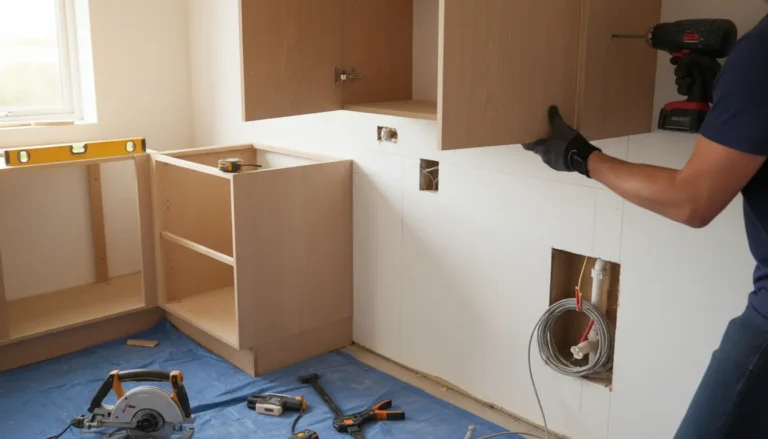
Preparation is where many successful installations are won. A useful video should show how to check walls, mark studs, measure cabinet heights, confirm the finished floor condition, review the plan, protect surfaces, and stage the cabinets in the correct order. This is especially important in older homes where walls may be out of square or floors may slope.
- Confirm the cabinet layout against the actual room.
- Mark level lines before setting wall or base cabinets.
- Locate secure fastening points, not just drywall.
- Unpack and inspect cabinets before the work begins.
- Keep fillers, panels, trim, hinges, glides, and hardware organized.
For example, if your sink base is centered under a window, even a small measurement error can make the entire run look off. A good video shows why installers measure twice from fixed reference points before fastening anything permanently.
Wall cabinets that are level, secure, and aligned
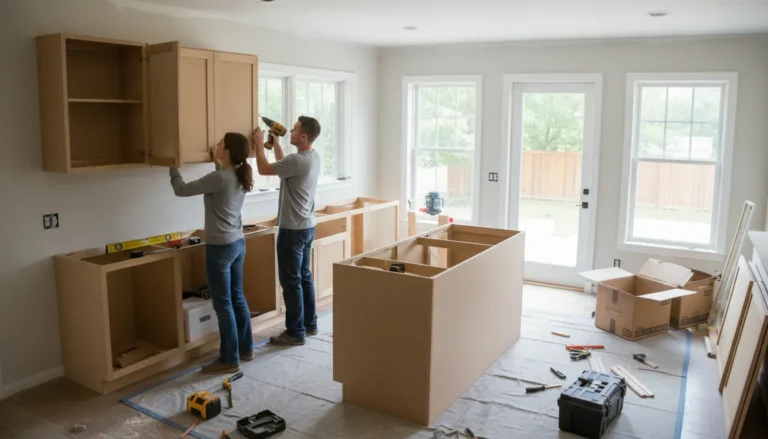
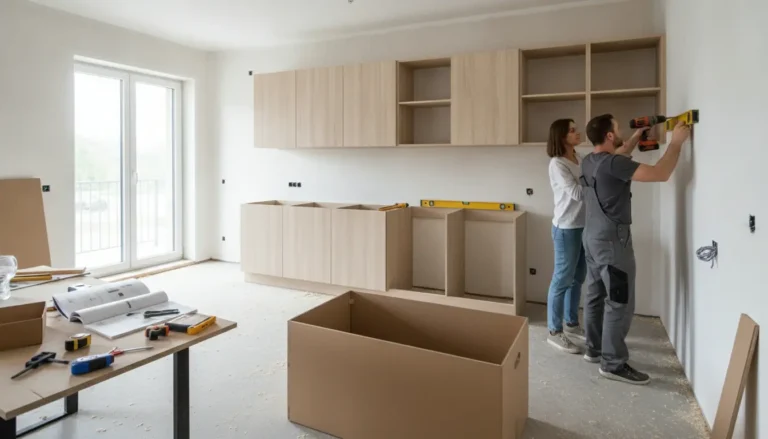
Wall cabinets carry weight and must be safely anchored. The video should show how to support them while fastening, how to keep the face frames or cabinet boxes aligned, and how to check level after each cabinet is attached. This is where a helper often becomes essential. Trying to hold a wall cabinet, adjust it, and drive screws at the same time can lead to damage or unsafe fastening.
Picture a row of wall cabinets above a countertop. If the first cabinet leans slightly, every door gap that follows becomes harder to correct. A proper installation sequence keeps the row straight, the reveals consistent, and the cabinet faces clean.
Base cabinets that support the countertop correctly
Base cabinets are the foundation for your countertop, so they must be level, plumb, and square. The best video guidance shows shimming, fastening cabinets together, checking the front line, and adjusting for uneven floors. This is crucial before stone, quartz, laminate, or wood counters are measured or installed.
In a real kitchen, the floor may drop toward one corner. Without shims and repeated level checks, the countertop can sit unevenly, drawers may slide open, and appliances may not fit as planned. Video makes those adjustments easier to understand because you can see how small corrections create a straight final line.
Why Video Guidance Helps You Avoid Expensive Mistakes
Cabinet installation involves several skills at once: measuring, drilling, fastening, leveling, trimming, aligning, and finishing. Reading about those tasks is useful, but seeing them happen reduces guesswork. A Kitchen cabinet installation video can reveal hand placement, tool angles, support methods, and the pace of each step.
That visual clarity is especially valuable when you are dealing with special cabinet types. A refrigerator cabinet is often deeper and heavier than standard wall cabinets, so it may require extra support. A tall pantry cabinet may need two people to position safely. Decorative molding demands careful cuts and finish carpentry skill. These are not details to learn after the cabinets are already in place.
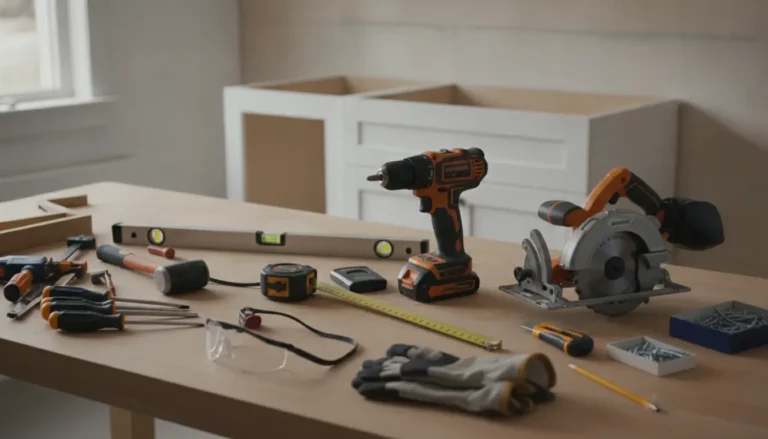
Before you begin, review the exact tools needed to install kitchen cabinets. Having the right level, drill, clamps, shims, screws, stud finder, and measuring tools nearby saves time and prevents rushed decisions. A missing tool can turn a simple alignment task into a compromise.
Built for Different Kitchen Scenarios
The right video guidance should match the kind of kitchen you are installing. A straight cabinet run is different from a corner layout. A compact apartment kitchen is different from a large open kitchen with an island. A renovation where old walls remain exposed is different from a new kitchen installation with freshly prepared surfaces.
Small kitchens
In a small kitchen, every gap is visible and every cabinet has a purpose. Video guidance helps you see how to position cabinets without losing usable space. It also shows how fillers and end panels can create a more finished look when walls are not perfectly square.
Wall cabinet replacement
If you are replacing only upper cabinets, the video should show how to protect existing counters and backsplashes. It should also make clear when old fixing points are no longer reliable. Reusing weak anchors can put your cabinets and dishes at risk.
Full kitchen renovation
During a full renovation, cabinet installation connects with flooring, plumbing, electrical work, appliances, lighting, and countertop templating. A clear sequence helps prevent rework. For a broader planning view, explore kitchen renovation resources before scheduling installers or deliveries.
What Makes This Guidance Worth Acting On
The most useful installation content does more than list steps. It helps you decide whether to proceed, pause, or bring in a professional. That is where quality guidance creates real value. You should come away knowing what you can handle, what requires another person, and what may need advanced skill.
- Clear visual order from preparation to final adjustment.
- Practical focus on wall, base, tall, and refrigerator cabinets.
- Emphasis on safety, alignment, and long-term durability.
- Guidance that helps you protect cabinets from chips and scratches.
- Support for deciding between self-installation and professional service.
This is especially important when your cabinets are a significant investment. A beautiful cabinet style can lose its impact if doors are uneven, trim is poorly cut, or cabinet runs do not line up. Good installation protects both function and appearance.
Real-World Confidence From Better Preparation
Homeowners often begin installation research with the same concerns: Will the cabinets be straight? Can the wall carry the load? What if the floor is uneven? When should hardware be installed? What happens if a hinge or drawer glide needs adjustment? A strong Kitchen cabinet installation video answers these questions visually, which makes the work feel less abstract.
Imagine a homeowner preparing to install base cabinets before a countertop appointment. By watching the leveling and shimming process first, they realize the cabinets must be secured and checked before measurement. That prevents a costly delay. Another homeowner planning wall cabinets may see why a temporary support rail or helper can make the difference between a clean installation and damaged cabinet edges.
Professional installers use repeatable systems because consistency matters. Video guidance gives you a window into that system. It helps you understand why the order of installation, the first reference line, and the final adjustments are all connected.
Video Guidance Compared With Written Instructions
Written guides are excellent for checklists, measurements, and reminders. Videos are better for movement, positioning, and visual judgment. The best approach is to use both. Watch the installation first to understand the flow, then use written notes while you work.
For example, written instructions may say to align hinges and glides after installation. A video can show what proper alignment looks like, how much adjustment is normal, and when a cabinet door issue is caused by the cabinet box rather than the hinge. Written instructions may say to install decorative molding last. A video can show why finish carpentry requires patience, accurate cuts, and the right tools.
If your project includes high-value materials, custom cabinetry, complex corners, or heavy tall units, professional installation may deliver the best return. If your layout is simple and you have the correct tools, strong guidance can help you complete selected parts yourself. Either way, the video helps you make a better decision before money is spent.
Ready to Move From Research to Results?
If you are serious about installing cabinets, do not rely on guesswork. Watch the process, prepare your tools, check your room, and decide where expert support is needed. The right guidance can save hours, reduce mistakes, and give your kitchen a cleaner final finish.
Use this page as your starting point. Review the installation sequence, compare your room to the examples, and plan your next action. If the project feels manageable, prepare carefully and work methodically. If it feels risky, use what you have learned to speak confidently with an installer and ask the right questions.
A Kitchen cabinet installation video gives you practical clarity before the first cabinet is lifted. It helps you prepare, avoid alignment errors, protect your investment, and understand when expert help is worthwhile. From wall cabinets to base units, tall cabinets, trim, and hardware, the right visual guidance turns uncertainty into a clear plan. Watch, prepare, and take the next step toward a kitchen that fits beautifully and lasts.
Frequently Asked Questions
Is a Kitchen cabinet installation video enough to install cabinets myself?
A Kitchen cabinet installation video can be enough for a simple layout if you have the right tools, patience, and a helper for lifting. However, uneven walls, heavy tall cabinets, complex corners, and expensive materials increase the risk. Use the video to judge the scope honestly before deciding between self-installation and professional help.
What should I do before following a Kitchen cabinet installation video?
Before following a Kitchen cabinet installation video, measure the room, inspect the cabinets, mark studs, check floor level, and confirm the cabinet plan. Gather tools, shims, fasteners, clamps, and protective materials first. Preparation prevents rushed choices and helps you follow the video in a controlled, safer order.
Can a video show how to install wall cabinets safely?
Yes, a good Kitchen cabinet installation video should show how to support wall cabinets, locate secure fixing points, fasten into structure, and keep cabinets level. Wall cabinets should never rely on weak anchors alone. If the cabinet is large or heavy, use a helper and pause if the wall condition is uncertain.
When should knobs, pulls, and final adjustments be done?
Hardware is usually best installed after the cabinets are secured, aligned, and adjusted. A Kitchen cabinet installation video should explain why knobs and pulls can get in the way during fitting. Final hinge, drawer glide, door gap, and touch-up work should happen near the end for a cleaner finish.
How do I know if I should hire a professional installer?
Hire a professional if your Kitchen cabinet installation video reveals tasks beyond your comfort level, such as tall pantry cabinets, refrigerator panels, decorative molding, uneven floors, or complex custom layouts. Professional installation can protect your cabinet warranty, improve alignment, and reduce the chance of costly rework.
About the Author