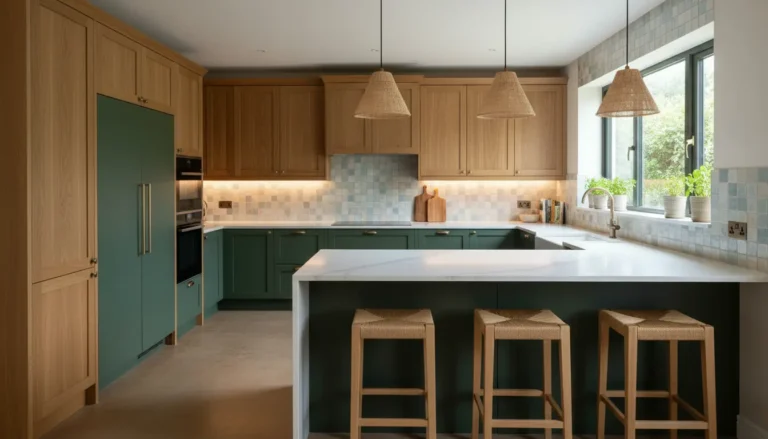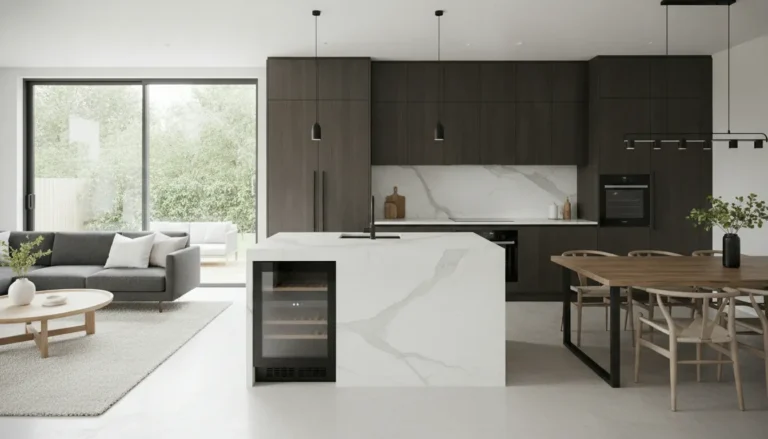

Kitchen sink renovation starts with choosing a sink that fits how you cook, clean, entertain, and move through your kitchen every day. This page helps you compare sink styles, mounting options, materials, configurations, and practical upgrades so you can make a confident choice before installation begins. With clear guidance, real-life scenarios, and renovation-focused advice, you can avoid costly mistakes and create a sink area that looks better, works harder, and adds long-term value to your home.
Why the Right Sink Changes the Whole Kitchen
A kitchen sink is not just a fixture. It is one of the hardest-working parts of the room. You rinse vegetables, fill pans, wash delicate glassware, clean baking trays, empty cups, prepare meals, and manage daily mess around it. When the sink is poorly chosen, even a beautiful kitchen can feel awkward. When it is chosen well, the entire workflow improves.
A smart kitchen sink renovation can make preparation faster, cleanup easier, and the countertop area more organized. It can also support the visual style of your kitchen, from sleek modern layouts to warm family kitchens and classic farmhouse spaces. The best result comes from balancing appearance, comfort, durability, and installation requirements.
If you are planning a broader upgrade, it helps to align your sink decision with your cabinetry, countertops, faucet, lighting, and storage. For complete planning inspiration, explore our kitchen renovation guidance and connect your sink choice to the full design.
Choose a Sink Around Your Daily Habits
Before comparing finishes and shapes, think about how your kitchen actually functions. A household that cooks large family meals needs a different sink than someone who mainly prepares coffee, salads, and quick dinners. A compact apartment kitchen needs smart space-saving features, while a large open kitchen may benefit from a bold focal point.
Single bowl sinks for oversized tasks
A single bowl sink gives you one wide, open basin. This is ideal if you often wash roasting trays, oven racks, large pots, or baking sheets. It also creates a clean, minimal look because the basin is uninterrupted. In smaller kitchens, a single bowl can feel more spacious and may require simpler plumbing than split configurations.
For example, if you bake often, a single deep bowl makes it easier to soak mixing bowls and rinse baking equipment without bumping into a divider. If you prefer a simple, streamlined cleaning routine, this may be the most practical choice.
Double bowl sinks for multitasking
A double bowl sink gives you two working zones. One side can hold soapy water while the other is used for rinsing. You can wash produce on one side and keep dishes on the other. This works especially well for homeowners who hand-wash dishes or want more separation during food preparation.
Not every double bowl needs equal basins. An offset design gives you one larger section for pans and one smaller section for rinsing or draining. A low divider can offer a useful middle ground, giving you separation when needed while still allowing larger items to fit across the sink.
Mounting Style Matters for Cleaning and Countertops
The way your sink is mounted affects the look, cleaning experience, countertop compatibility, and installation complexity. This decision should be made early, especially if you are also replacing countertops.
Undermount sinks for a clean countertop line
An undermount sink is installed beneath the countertop. This creates a smooth transition from counter to basin, making crumbs and water easy to wipe directly into the sink. It is popular in modern and premium kitchens because it looks refined and reduces visual clutter.
Undermount installation works best with solid countertop materials such as quartz, granite, or other durable surfaces. It requires precise fitting and strong support, so professional installation is usually recommended.
Drop-in sinks for practical replacement
A drop-in sink, also called a top mount sink, rests on the countertop with a visible rim. It is often the simplest option when replacing an existing sink without changing the entire counter. Because the sink supports itself from above, installation can be more straightforward.
This option is useful when you want a cost-conscious refresh, especially if the current cutout is in good condition. The trade-off is that the rim can collect water or crumbs, so cleaning around the edge requires more attention.
Farmhouse sinks for character and presence
A farmhouse sink has an exposed apron front that becomes a strong design feature. It works beautifully in classic, country, transitional, and even contemporary kitchens when paired with the right cabinets and countertops. The deep basin is excellent for large cookware and busy family use.
However, farmhouse sinks need careful planning. The cabinet below may need modification, and the countertop cutout must be accurate. If you want a statement sink that feels timeless, the extra planning can be worthwhile.
Workstation sinks for serious functionality
A workstation sink includes built-in ledges that hold accessories such as cutting boards, colanders, drying racks, and bottom grids. This lets you prepare food, rinse ingredients, and dry dishes directly over the sink. It is especially valuable when counter space is limited.
Imagine chopping vegetables on an over-the-sink board, sliding scraps into a colander, rinsing everything in place, and rolling out a drying rack afterward. The sink becomes an active preparation zone rather than just a place to wash up.
Compare Materials Before You Commit
Sink material affects durability, noise, maintenance, appearance, and price. The best material depends on how heavily the kitchen is used and what finish best suits the design.
Stainless steel
Stainless steel remains a popular choice because it is durable, hygienic, versatile, and easy to clean. It fits modern, industrial, classic, and minimalist kitchens. A thicker, higher-quality stainless steel sink usually feels more stable and can reduce noise when water hits the basin.
This is a practical option for busy homes, rental properties, and anyone who wants a resilient surface that does not demand delicate care. Pair it with a high-quality faucet for a balanced, professional look.
Fireclay
Fireclay sinks are known for their smooth enamel surface and strong resistance to stains and scratches. They are often used in farmhouse styles but can also work in more refined transitional kitchens. Because many fireclay sinks are handmade, slight variations can add character.
They can be heavier than other options, so cabinet support is important. If you want a classic white sink with a premium feel, fireclay is a strong contender.
Porcelain enamel
Porcelain enamel sinks create a vintage-inspired, glossy look. Traditional versions may have a cast iron core, giving them weight and strength. Modern versions can offer similar visual appeal with lighter construction.
These sinks suit homeowners who want charm, softness, and a more traditional aesthetic. They do require mindful use, because heavy impacts may damage the enamel surface.
Granite composite and quartz composite
Composite sinks provide a solid, stone-like appearance and are valued for their resistance to heat, stains, scratches, and everyday wear. They are often available in darker or neutral tones, which can hide water spots better than some glossy finishes.
This material works well when you want a seamless, grounded look with modern countertops. It is also a strong choice for homeowners who cook often and want a sink that feels substantial and low maintenance.
Details That Improve Daily Comfort
Small details can have a big effect on how pleasant the sink is to use. During a kitchen sink renovation, consider more than the basin itself. Think about accessories, faucet reach, drainage, cabinet space, and countertop flow.
-
Depth: A deeper sink hides dishes and holds large cookware, but it may be less comfortable for shorter users if the counter is high.
-
Drain placement: An offset drain can free up cabinet space below and keep items from covering the drain while soaking.
-
Bottom grid: A protective grid helps reduce scratches and keeps dishes lifted from the basin floor.
-
Colander: A fitted colander makes rinsing fruit, vegetables, and pasta easier without using extra counter space.
-
Roll-up rack: A roll-up drying rack can act as a draining surface, cooling zone, or temporary prep area.
-
Faucet compatibility: Make sure the faucet height, spray function, and reach match the sink size and your washing habits.
Plan the Sink With Cabinets and Storage
The sink base cabinet must support the chosen sink and leave enough space for plumbing, waste sorting, cleaning products, and accessories. A large farmhouse sink or heavy composite model may require additional support. A workstation sink may work best when nearby drawers store boards, knives, towels, and prep tools.
If your sink area feels crowded today, the renovation is a good time to improve the cabinet layout below and around it. Pull-out bins, organizers, and better drawer planning can turn the sink zone into an efficient cleaning center. For related storage upgrades, review our ideas for kitchen cabinet storage.
What Homeowners Often Notice After Upgrading
Many homeowners underestimate how much a sink upgrade changes everyday routines. After renovation, the improvements are usually felt immediately. Dishes fit more comfortably, rinsing is faster, counters stay clearer, and the kitchen feels more intentional.
Common feedback includes:
-
The kitchen feels easier to clean because water and crumbs move smoothly into the basin.
-
Large pans and trays no longer feel awkward to wash.
-
Food preparation becomes more organized with sink accessories and better faucet reach.
-
The room looks more finished because the sink matches the countertops and cabinets.
-
Guests notice the sink area as part of the overall design, especially with farmhouse or workstation styles.
These are practical gains, not just visual upgrades. A sink that suits your habits reduces friction every day.
Which Sink Is Best for Your Situation?
If you are renovating on a tighter budget and keeping your countertop, a drop-in stainless steel sink may deliver the most value. It is reliable, versatile, and easier to replace than many alternatives.
If you are investing in new stone countertops, an undermount sink is often the best match. It creates a sleek line, supports easy cleanup, and feels integrated into the design.
If your kitchen is compact, a workstation sink can maximize usable space. Accessories that slide across the basin can replace separate prep boards and drying mats.
If your priority is visual impact, a farmhouse fireclay or porcelain-style sink can become the centerpiece. It adds warmth and personality while still offering generous capacity.
If you want low-maintenance durability with a contemporary look, granite composite or quartz composite may be the right choice. It handles heavy use while keeping a refined, solid appearance.
Get the Renovation Right From the Start
A successful kitchen sink renovation depends on planning before ordering. Measure the cabinet width, countertop thickness, existing cutout, plumbing position, and available space behind the sink for the faucet. Check whether the sink needs clips, rails, extra support, or a specific countertop edge treatment.
Also consider the sequence of work. If cabinets are being changed, the sink should be selected before countertop templating. If only the sink is being replaced, match the new model carefully to the existing opening. If the faucet is being upgraded, confirm that the sink or counter has the correct hole configuration.
Ready to narrow your options? Start by listing your top priorities: easier cleaning, more prep space, a premium look, better durability, or a lower installation cost. Then choose the sink style, material, and mounting method that supports those priorities. For a bigger redesign, combine this decision with expert kitchen layout planning and let the sink become a practical centerpiece rather than an afterthought.
A well-planned kitchen sink renovation improves daily function, supports your design style, and can add meaningful value to your kitchen. By choosing the right bowl configuration, mounting style, material, and accessories, you avoid frustration and create a sink area that works beautifully for years. If you are ready to upgrade with confidence, compare your options now and plan a sink that fits the way you truly live.
Frequently Asked Questions
What is the best sink type for a kitchen sink renovation?
The best choice depends on your cooking and cleaning habits. A single bowl suits large pans and baking trays, while a double bowl helps with multitasking. For small kitchens, a workstation sink can add prep space. During a kitchen sink renovation, choose the type that improves your daily workflow, not just the one that looks best.
Is an undermount sink better than a drop-in sink?
An undermount sink offers a cleaner look and makes wiping crumbs and water into the basin easier. A drop-in sink is often simpler and more affordable to replace, especially when keeping the existing countertop. For a kitchen sink renovation with new counters, undermount is usually preferred. For a quick refresh, drop-in can be very practical.
Which sink material is easiest to maintain?
Stainless steel and granite composite are among the easiest materials to maintain. Stainless steel is durable, hygienic, and forgiving for everyday use. Granite composite resists stains, heat, and scratches while hiding water spots well. In a kitchen sink renovation, maintenance should match your lifestyle, especially if the kitchen is used heavily every day.
Can I replace my sink without replacing the countertop?
Yes, but the new sink must fit the existing cutout, cabinet width, and plumbing position. Drop-in sinks are usually the easiest replacement option. Undermount changes can be more complex because countertop edges and support matter. Before ordering, measure carefully and confirm compatibility to prevent extra labor or unexpected countertop work.
How do I make my sink area more functional?
Add features that support the way you prepare and clean. Consider a pull-down faucet, bottom grid, fitted colander, roll-up drying rack, or workstation ledge. During a kitchen sink renovation, also review the cabinet below the sink for bins, organizers, and cleaning storage. The goal is a complete work zone, not only a new basin.
About the Author