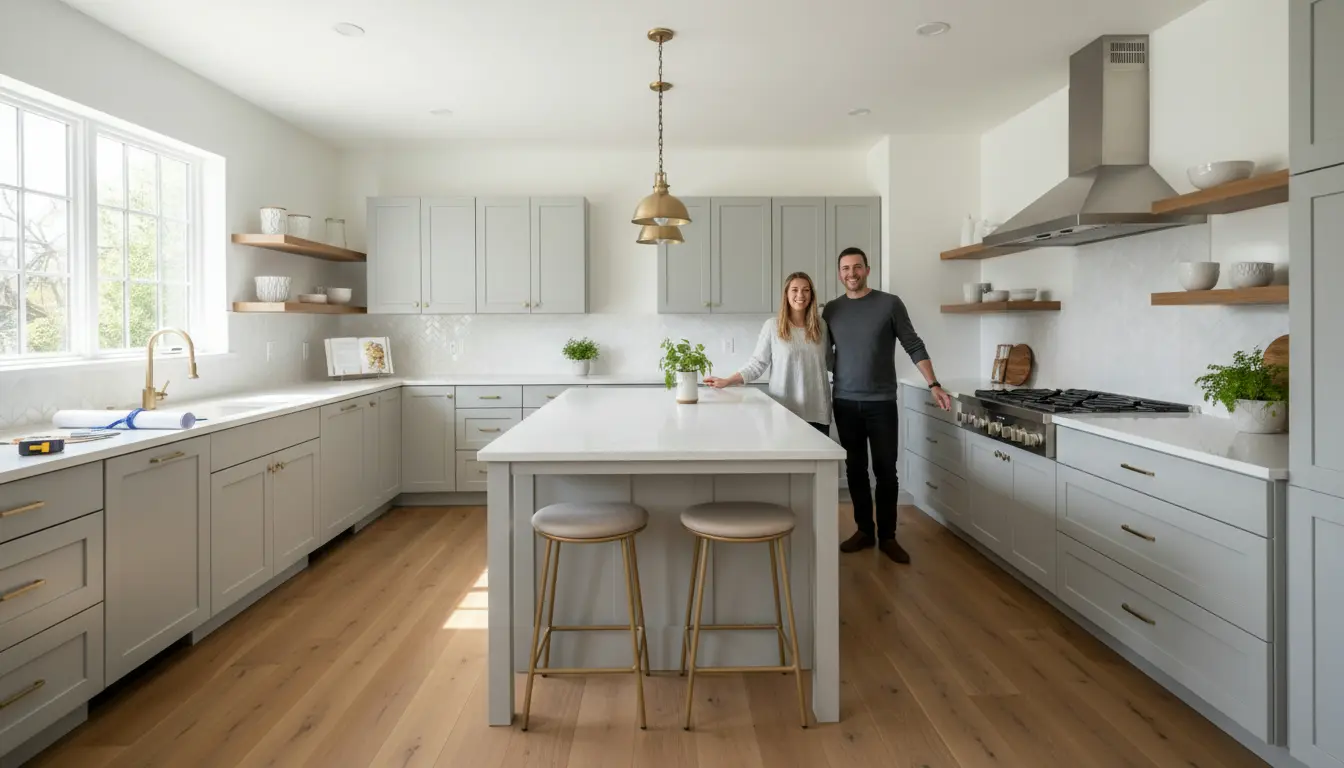
Kitchen renovation tips should help you make confident decisions before money, time, and materials are on the line. This guide shows you how to plan a kitchen that works beautifully day after day, avoids common renovation regrets, and supports a stronger return on investment. Based on practical design principles, homeowner lessons, and contractor-focused planning, you will learn where to spend, where to save, and how to move from ideas to a kitchen you are ready to build.
Plan the Kitchen Around Real Life First
A successful kitchen renovation starts long before cabinets are ordered or flooring is removed. The most profitable decision you can make is to design for how you actually live, not for an ideal version of your routine. If you rarely bake, a double oven may look impressive but waste budget and storage. If you cook daily, ventilation, durable worktops, and smart prep zones matter more than a decorative feature that does not improve function.
Walk through a normal day in your current kitchen. Where do groceries land? Where do children drop bags? Where do crumbs gather? Where do you reach for coffee, plates, pans, and cleaning supplies? These everyday movements reveal more than a mood board ever can. A family that cooks together needs wider circulation. A small apartment kitchen may need vertical storage and a pull-out bin. A host who entertains often may benefit from a prep sink or beverage zone.
Use a simple lifestyle audit
- List the appliances you use every week and the ones you only wish you used.
- Measure what you store before choosing drawers, shelves, or pantry units.
- Mark your main work zones: cooking, washing, preparation, serving, and storage.
- Decide what must stay hidden, such as bins, small appliances, chargers, and cleaning tools.
- Identify the one feature you would regret losing, whether it is natural light, an island, or extra drawers.
This approach prevents expensive assumptions. For example, a couple may discover that the dishwasher should be directly beside the sink and near everyday crockery. A busy family may realize that an appliance cupboard for the toaster, kettle, bread, and coffee supplies will keep worktops clearer every morning.
Spend Where Daily Use Creates Value
Not every upgrade deserves the same budget. The best kitchen renovation tips focus on cost per use. A tap, worktop, floor, cabinet hinge, extractor, and drawer runner are touched or tested constantly. If these elements fail, scratch, stain, chip, or annoy you, the whole kitchen feels compromised.
Flooring is a classic example. Cheap flooring can look acceptable on installation day, but kitchens take a beating from water, dropped pans, pets, chairs, and heavy traffic. A more durable floor can save money later because replacing flooring after cabinets and islands are installed is disruptive and costly. Mid-tone finishes often hide dust and crumbs better than very dark or very light floors.
Worktops are another high-impact choice. Marble may be beautiful, but it can be stressful if you cook with lemon, wine, oil, or children nearby. Quartz, porcelain, sealed stone, or quality laminate may fit your lifestyle better. The right choice is not always the most expensive one; it is the material you can live with confidently.
Where saving can make sense
You can still control costs without weakening the renovation. Consider saving on decorative hardware, open shelving, standard cabinet boxes with upgraded fronts, or a phased decorative refresh after the main build. If cabinets are your biggest concern, compare styles, materials, and storage functions through a focused resource such as kitchen cabinets before committing to a full specification.
Build Storage Into the Design, Not After It
Storage is one of the biggest reasons homeowners renovate, yet it is often planned too late. Beautiful kitchens become frustrating when mixers are buried in deep cupboards, bins sit in the walkway, and small appliances permanently live on the counter. The better solution is to assign every category a home before the layout is finalized.
Drawers are often more practical than lower cupboards because they bring items forward instead of forcing you to kneel and search. Pantry cabinets with double doors can make food storage easier to see. Pull-out bins near the sink and dishwasher simplify cleanup. Outlets inside appliance cupboards help keep chargers, kettles, coffee machines, and toasters contained.
For small kitchens, storage must be especially intentional. A tall pantry, corner solution, toe-kick drawer, or wall-mounted rail may create more everyday value than a larger fridge or oversized island. For deeper ideas on making cabinetry work harder, explore kitchen cabinet storage options before choosing your final layout.
Lighting and Electrical Decisions Are Easier Before Demo
Lighting should be layered, not treated as one ceiling plan. Kitchens need general lighting for safety, task lighting for preparation, and softer ambient lighting for evening use. Under-cabinet lighting is especially useful because it illuminates the exact area where chopping, reading recipes, and cleaning happen.
Electrical planning is just as important. Add outlets where you will actually use appliances, not only where code requires them. Think about a charging drawer, pantry outlet, island outlet, coffee station, and hidden appliance cupboard. If you are renovating an older home, confirm dimmers, wiring, and fixtures are compatible with modern lighting. Fixing these details after tiling or cabinetry installation can mean rework, delays, and extra labor.
A Better Kitchen Is Specific, Not Trend-Driven
Trends can inspire, but they should not control your renovation. Open shelving beside a hob may look stylish in photographs, yet collect grease if you cook frequently. A touch-sensor tap may sound convenient, but it can become annoying if batteries fail or guests cannot operate it. A huge drawer may look sleek, but block traffic when open. A narrow island may appear elegant, but feel undersized in a large open-plan room.
Instead of asking, What is popular?, ask, What will still feel useful after the excitement fades? A timeless kitchen usually combines durable materials, logical flow, balanced lighting, practical storage, and one memorable design moment. That statement piece might be a beautiful island worktop, a refined brass tap, handmade tiles, wood cabinets, or a special range. The goal is not to overload the room; it is to create a kitchen with focus.
Compare Renovation Routes Before You Commit
There are several ways to renovate, and each suits a different budget, timeline, and risk level.
Cosmetic refresh
A cosmetic refresh works when the layout is strong and the cabinets are structurally sound. Painting, new handles, improved lighting, a backsplash, or updated worktops can change the room without major disruption. The risk is spending on finishes that do not match your long-term plan.
Cabinet replacement
Replacing cabinets is ideal when storage, layout, or cabinet condition is the main issue. It lets you improve function while keeping plumbing and electrical changes limited. This route often gives a strong balance between visible transformation and controlled cost.
Full renovation
A full renovation is best when the layout is failing, services need moving, flooring must be replaced, or walls are changing. It offers the most freedom but requires the most planning. If you are comparing scope, timing, and budget, start with a complete overview of kitchen renovation options so you can choose the right path before speaking with contractors.
What Confident Homeowners Do Differently
The smoothest renovation clients are not passive. They make decisions early, write down expectations, and check progress regularly without micromanaging every tool movement. They know that clear communication prevents misunderstandings and protects both the homeowner and contractor.
Before work starts, confirm product names, finishes, dimensions, opening directions, work hours, payment stages, cleanup expectations, and who signs off on orders. Never let a cabinet order, worktop template, or appliance specification be approved without seeing the details. If something is unclear, ask for a drawing or photo.
Social proof from real renovation experiences points to the same lesson: small decisions become expensive when they are rushed. Homeowners often regret not checking appliance reviews, not sealing materials near water, not planning ventilation, not ordering early enough, or not being specific about where trades can cut, drill, or patch. These are avoidable problems when the plan is documented.
Protect the Budget Without Killing the Vision
A renovation budget should include more than the attractive items. Labor, delivery, disposal, permits, temporary cooking arrangements, electrical upgrades, plumbing changes, and contingency all matter. A lower contractor quote is not always the better deal if it excludes essential work or depends on cheaper materials.
To keep control, separate your budget into must-haves, strong preferences, and flexible choices. Must-haves might include a better layout, durable flooring, extractor performance, or pantry storage. Flexible choices might include pendant lights, decorative handles, open shelves, or a premium finish on a secondary surface. This makes it easier to adjust without losing the purpose of the renovation.
Ready to Move From Ideas to a Buildable Plan?
If your kitchen feels cramped, dated, inefficient, or hard to maintain, the next step is not buying the first attractive product you see. The next step is a clear plan. Define your lifestyle needs, compare renovation routes, set a realistic budget, and prioritize features that improve daily use. With the right preparation, your renovation becomes less stressful, more valuable, and far more likely to deliver the kitchen you imagined.
Start by listing your non-negotiables today, then use them to guide every quote, drawing, and product choice. A kitchen that sells well is useful, durable, and personal in all the right places.
Smart kitchen renovation tips help you avoid regret, protect your budget, and create a room that feels effortless to use. When you plan around daily habits, invest in durable surfaces, design storage early, and communicate clearly with professionals, the result is more functional and more valuable. Do not wait until demolition to make key decisions. Start shaping your renovation plan now and choose the upgrades that will make your kitchen work harder for years.
Frequently Asked Questions
What are the most important Kitchen renovation tips for beginners?
Start with layout, storage, budget, and daily habits before choosing finishes. Beginners often focus on color and appliances too early. Measure what you own, map your cooking and cleaning flow, and decide where you need lighting, outlets, bins, and pantry space. These Kitchen renovation tips prevent costly changes once contractors are already on site.
How do I keep a kitchen renovation on budget?
Set a realistic budget with a contingency for surprises, then separate must-haves from flexible choices. Spend on items you use every day, such as flooring, worktops, taps, hinges, and ventilation. Save on decorative elements that can be updated later. Ask contractors for detailed quotes so you can compare what is included, not just the final price.
Should I hire a kitchen designer or plan it myself?
If you are changing layout, plumbing, electrical points, or cabinetry, a kitchen designer can often save more than the fee by preventing mistakes. For a small cosmetic refresh, you may manage the plan yourself. The best approach is to be honest about complexity, decision fatigue, and whether you need professional drawings before ordering expensive materials.
Which kitchen features are most likely to add value?
Value usually comes from a practical layout, durable worktops, quality cabinets, strong lighting, efficient storage, and a timeless design. Buyers notice clean lines, good ventilation, and enough room to cook comfortably. A single statement feature can help, but it should support the overall kitchen rather than replace function.
What renovation mistakes should I avoid?
Avoid ordering too late, choosing materials only for looks, ignoring appliance reviews, underplanning outlets, and accepting vague contractor instructions. Do not compromise on features that made your original plan work. The most useful Kitchen renovation tips are about clarity: specify dimensions, finishes, work hours, approvals, and storage needs before the work begins.
About the Author