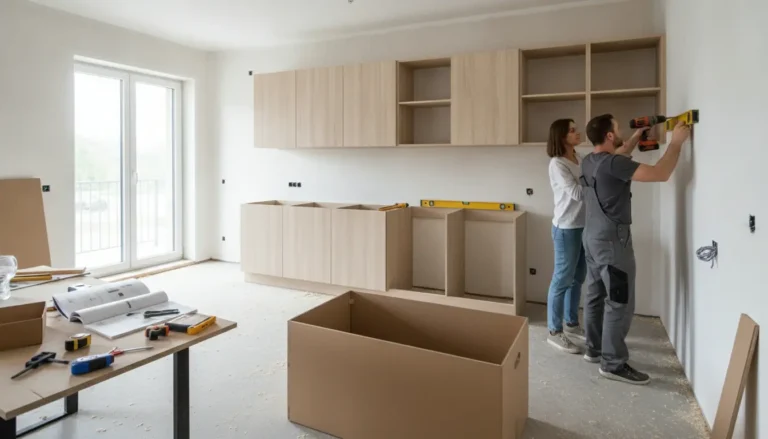
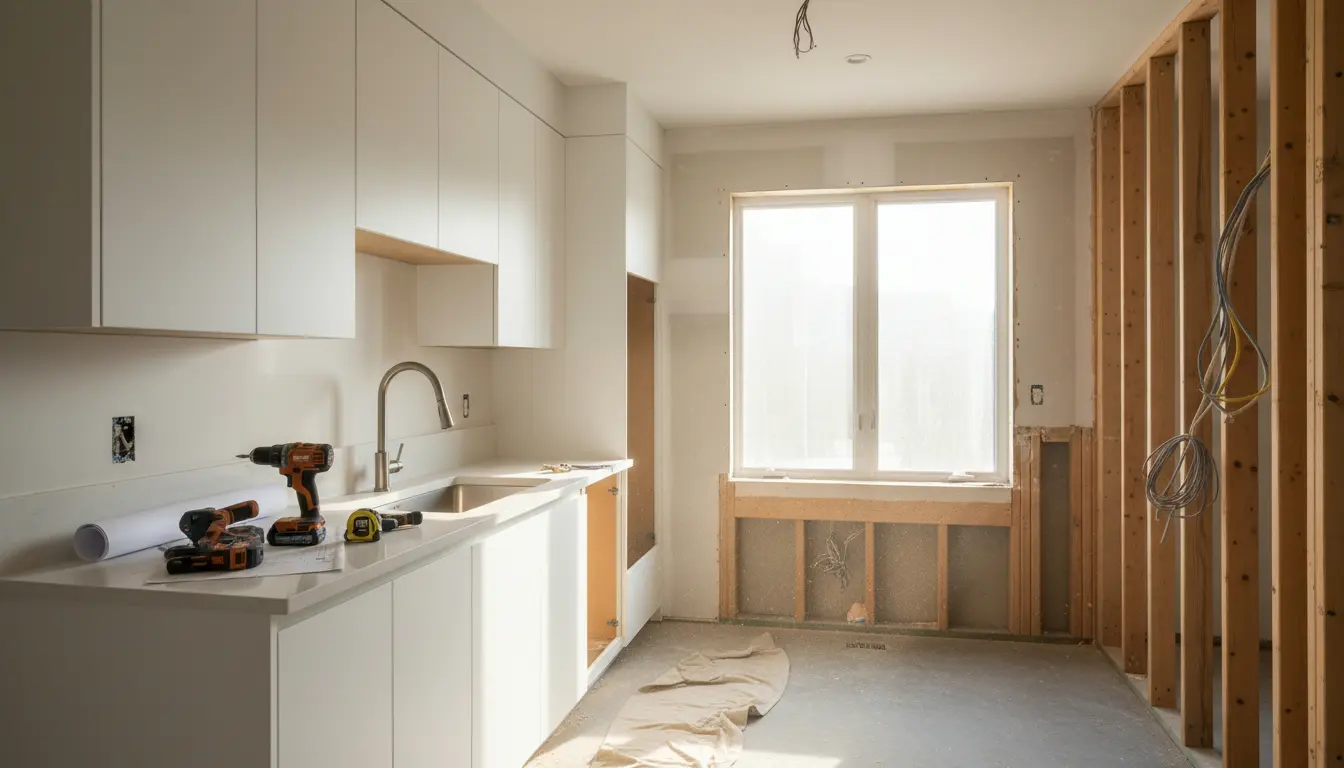
How long does it take to renovate a kitchen? This page gives you a realistic timeline, the factors that speed up or slow down the work, and a smarter way to plan before you commit. With clear phases, practical scenarios, and expert guidance, you can reduce downtime, avoid costly surprises, and move from first idea to finished kitchen with confidence.
A realistic kitchen renovation timeline
Most kitchen renovations take anywhere from a few weeks to several months, depending on the scope, materials, permits, and contractor availability. A light refresh may be finished quickly, while a full remodel with new cabinets, plumbing changes, electrical work, flooring, and countertops needs a longer, more structured schedule.
The biggest mistake homeowners make is asking only about the build time. The visible work matters, but planning, measuring, ordering, approvals, and inspections often determine whether the project runs smoothly. A reliable timeline starts before demolition begins.
Typical timelines by project size
Cosmetic refresh
A cosmetic refresh is the fastest option. It usually keeps the existing layout and focuses on visible improvements. This may include painting cabinet doors, replacing handles, installing a backsplash, upgrading lighting, changing the sink, or adding new appliances.
In a practical scenario, a homeowner who likes the current layout but wants a cleaner, modern look may only need a short renovation window. Because there is limited demolition and fewer trades involved, disruption is easier to manage.
-
Best for homeowners who want a fresher look without changing the room structure.
-
Lower risk of delays because plumbing and electrical points often stay in place.
-
Usually easier to plan around daily routines and family schedules.
Mid range renovation
A mid range kitchen renovation keeps the main footprint but replaces important elements such as cabinets, worktops, flooring, lighting, and appliances. This is where planning becomes more important because measurements, product lead times, and installation sequences must be aligned.
For example, if you replace cabinets and countertops, the cabinets normally need to be installed before the countertop can be measured and fabricated. That waiting period is often where homeowners underestimate the timeline. Choosing available materials and confirming measurements early can save valuable time.
Full kitchen remodel
A full remodel takes the longest because it may include removing walls, relocating plumbing, updating wiring, replacing flooring, installing custom cabinets, adding an island, improving ventilation, or changing the full layout. These projects need careful coordination between designers, installers, electricians, plumbers, and sometimes structural specialists.
If your goal is a completely different kitchen experience, the extra time can be worth it. A full remodel can improve storage, flow, light, appliance placement, and long term home value. The key is to enter the process with a complete plan rather than making major decisions after the old kitchen has already been removed.
What affects how long the renovation takes?
Planning and design decisions
The earlier you define the layout, finishes, budget, and must have features, the easier it is to keep the project moving. Delays often happen when homeowners change cabinet styles, countertop materials, appliance sizes, or lighting positions after orders have been placed.
A good planning process helps you answer important questions before installation starts: where will you store food, how much temporary cooking access do you need, which materials are available, and who is responsible for each step? For a structured starting point, review a dedicated guide to planning a kitchen renovation.
Cabinet choice and material lead times
Cabinets are often the core of the schedule. Stock cabinets may be available faster, while custom cabinets require more time for design, production, finishing, and delivery. If the cabinets are delayed, other steps such as countertop templating, appliance fitting, and final trim can also be delayed.
Homeowners who want a unique layout, special storage, or premium finishes should plan early. If speed is the priority, choosing available cabinet ranges can shorten the wait. To compare styles and options before you decide, explore kitchen cabinets.
Permits, inspections, and structural work
If your renovation includes structural changes, new electrical circuits, plumbing relocation, or ventilation upgrades, permits and inspections may be required. These steps protect safety and quality, but they can add time. The best approach is to check requirements early and avoid starting demolition before approvals are clear.
Structural surprises can also affect the schedule. Once walls, floors, or old cabinets are removed, contractors may find water damage, uneven floors, outdated wiring, or hidden pipework. A realistic project plan includes a buffer for these discoveries.
Why a planned renovation is worth the wait
A well managed kitchen renovation does more than improve appearance. It can make daily cooking easier, increase storage, reduce clutter, improve energy efficiency, and create a space that feels better to live in. The benefit is not only the finished room, but the smoother route to getting there.
-
Clear timelines help you prepare for temporary cooking and storage.
-
Early product selection reduces waiting time and last minute compromises.
-
Accurate measurements reduce installation mistakes and rework.
-
Professional sequencing keeps trades moving in the right order.
-
Transparent budgeting helps prevent stress during the project.
If cost planning is your main concern, compare expected expenses before choosing finishes. A helpful resource is this overview of kitchen renovation cost.
What makes a faster, smoother project possible?
The fastest successful renovations are not rushed; they are prepared. A dependable renovation partner should help you clarify the brief, confirm measurements, coordinate product availability, and create a schedule that reflects real lead times.
Look for a process that includes a clear design phase, itemized selections, confirmed delivery dates, and a single point of communication. This reduces confusion and helps you make informed decisions before your kitchen is out of use.
Signs you are ready to start
-
You have chosen the layout and understand what will change.
-
Your cabinets, appliances, countertops, and fixtures are selected.
-
You know whether permits or approvals are needed.
-
You have a temporary kitchen plan for meals and storage.
-
Your contractor has provided a clear sequence of work.
Real world examples
The busy family
A family with children may care most about reducing kitchen downtime. In this case, keeping the layout, selecting available cabinets, and avoiding structural changes can make the project more predictable. A temporary meal station with a microwave, kettle, and small fridge can reduce stress while work is underway.
The home value upgrade
A homeowner preparing to sell may want the best visual impact without overcomplicating the schedule. Refreshed cabinets, modern lighting, new countertops, and a clean backsplash can create a strong impression. The aim is not to redesign everything, but to invest where buyers notice value quickly.
The dream kitchen remodel
A homeowner planning to stay long term may choose a full remodel with an island, better storage, hidden appliances, premium cabinets, and improved workflow. This takes longer, but the result can transform daily life. Here, patience during planning usually leads to fewer compromises during installation.
Renovation options compared
If you want the shortest route, a cosmetic refresh is usually best. It is easier to schedule and creates less disruption, but it will not solve major layout problems. If your kitchen lacks storage, has poor lighting, or feels cramped, a deeper renovation may deliver better long term value.
A mid range renovation is often the best balance. It gives you meaningful upgrades without the complexity of a full structural remodel. A full remodel is ideal when the current kitchen no longer supports how you cook, entertain, or move through the home.
How to reduce delays before work begins
-
Decide your must haves and nice to haves before requesting quotes.
-
Choose materials that are available within your preferred schedule.
-
Confirm appliance dimensions before cabinet production.
-
Ask whether plumbing, electrical, or structural work affects permits.
-
Approve drawings and finishes before demolition starts.
-
Keep communication fast when your contractor needs decisions.
The right team will not simply promise speed. They will show you how the timeline works, where delays might happen, and how to prevent them. If you want a kitchen that finishes as close to plan as possible, start with a professional timeline and a clear scope.
Ready to plan your kitchen renovation?
If you want a realistic answer for your home, the next step is to define your project type, preferred materials, and deadline. Request expert guidance, compare your options, and get a timeline that matches your budget and lifestyle. The sooner the planning starts, the sooner your finished kitchen becomes realistic.
A kitchen renovation timeline depends on scope, materials, approvals, and the team managing the work. With early planning, confirmed selections, and realistic sequencing, you can reduce delays, control disruption, and make better decisions. Whether you want a quick refresh or a full remodel, start with a clear plan and expert guidance. Get your timeline mapped out today and move confidently toward your new kitchen.
Frequently asked questions
How long does it take to renovate a kitchen if I keep the same layout?
If you keep the same layout, the project is usually faster because plumbing, electrical points, and major structural elements stay in place. The timeline depends on cabinet availability, countertop fabrication, and the number of finishes being changed. This is often the best option when you want a meaningful upgrade with less disruption.
How long does it take to renovate a kitchen with custom cabinets?
Custom cabinets usually extend the timeline because they require design approval, production, finishing, delivery, and careful installation. The advantage is a better fit, stronger storage solutions, and a more personal design. To avoid delays, finalize appliance sizes, cabinet details, colors, and hardware before production begins.
Can I live at home during a kitchen renovation?
Yes, many homeowners stay home during a kitchen renovation, but preparation is essential. Set up a temporary cooking area with basic appliances, move frequently used items to another room, and plan simple meals. Dust, noise, and limited sink access are normal, so discuss protection and daily cleanup with your contractor.
What causes kitchen renovation delays most often?
The most common delays come from late material deliveries, design changes, permit issues, hidden damage, and scheduling gaps between trades. Countertops can also add waiting time because they are often measured after cabinets are installed. Clear decisions, early ordering, and realistic buffers help keep the renovation moving.
How long does it take to renovate a kitchen before I can cook again?
You may be without a fully functioning kitchen for part of the construction phase, especially during demolition, cabinet installation, countertop work, plumbing, and appliance connection. Some homeowners regain limited use before final finishes are complete. Ask your contractor when the sink, cooktop, and appliances are expected to be operational.
About the Author