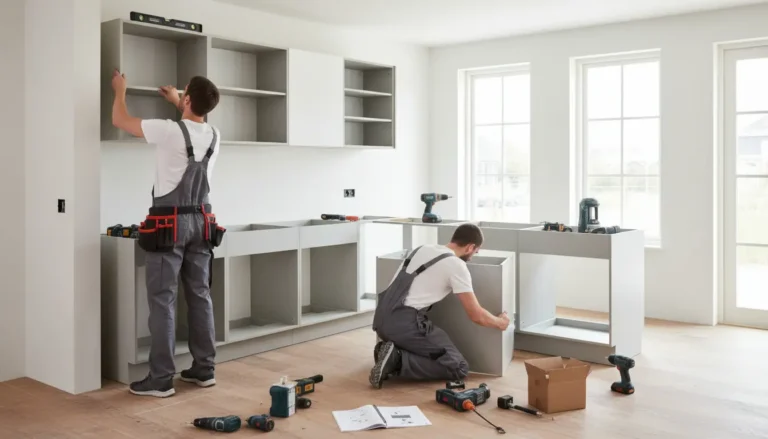

DIY kitchen renovation cost becomes far easier to control when you know what to do yourself, where to spend, and when to bring in a professional. This guide gives you a clear, practical way to estimate your budget, compare upgrade choices, and avoid expensive mistakes. Built for homeowners who want a better kitchen without overspending, it shows how smart planning, cabinet choices, material timing, and selective expert help can turn a renovation into a high-value investment.
Know What Really Drives Your Kitchen Budget
The biggest mistake in a do it yourself kitchen project is assuming the final price is only about materials. In reality, your DIY kitchen renovation cost is shaped by layout changes, cabinet decisions, countertop selections, appliance upgrades, plumbing work, electrical work, waste removal, delivery charges, tools, and the amount of time you can realistically commit.
A cosmetic refresh can be affordable when you keep the existing layout and update visible surfaces. A full renovation costs more because it often includes new cabinets, new counters, new lighting, improved storage, better ventilation, and possible trade work. The best budget is not the cheapest one. It is the one that gives you the kitchen you will actually enjoy using every day.
Where DIY Saves the Most Money
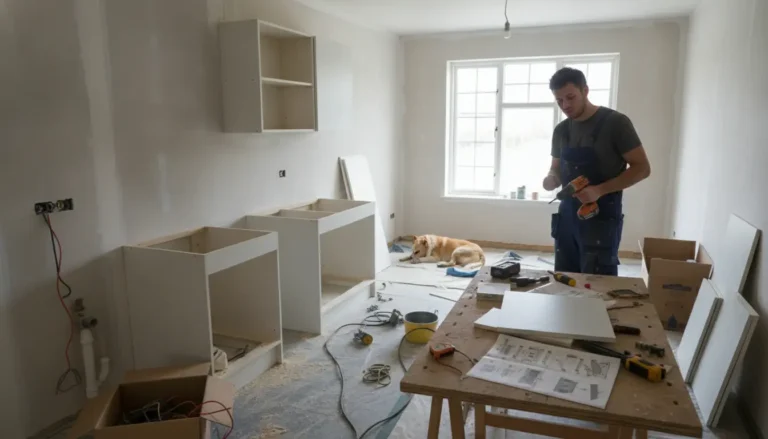
Doing the right tasks yourself can reduce labour spending significantly. The key is choosing projects that are safe, visible, and manageable. Painting, cabinet assembly, hardware installation, demolition, backsplash work, open shelving, flat pack cabinet installation, and simple flooring are common areas where homeowners can save.
Good DIY candidates usually have these traits:
-
They do not require permits or licensed trade work.
-
They can be corrected without damaging the whole kitchen.
-
They rely more on patience than specialist machinery.
-
They improve the look or function immediately.
-
They allow you to work in stages without losing the use of the entire home.
For example, painting solid cabinet doors and replacing handles can transform a dated kitchen for a fraction of the price of full cabinet replacement. Installing a simple tile backsplash can create a premium finish without changing the layout. Adding pull out organizers can make existing cabinets feel custom without replacing them.
Where You Should Not Cut Corners
Some savings are not worth the risk. Electrical changes, gas connections, complex plumbing, structural wall removal, and stone countertop fabrication should usually be handled by qualified professionals. This does not mean your renovation stops being a DIY project. It means you are using your budget intelligently.
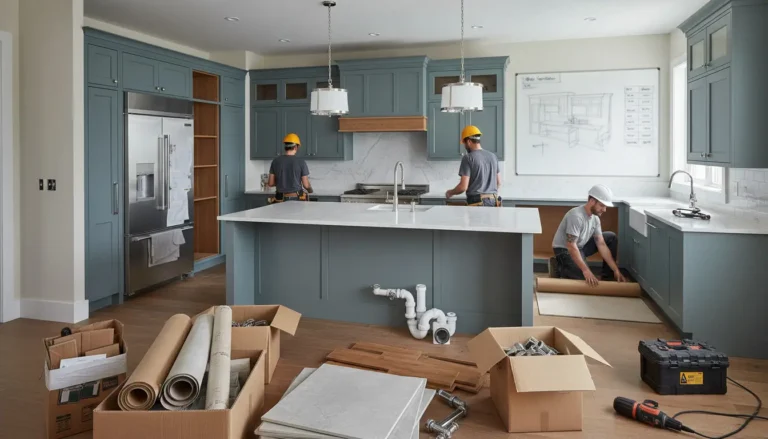
A strong strategy is to DIY the preparation and finish work while hiring professionals for technical tasks. You might remove old cabinets yourself, assemble new cabinet boxes, paint walls, and install hardware, while an electrician handles lighting and a plumber connects the sink, dishwasher, and range. This blended approach gives you cost control without sacrificing safety.
A Practical Budget Breakdown
Every kitchen is different, but most budgets are built from the same categories. Cabinets often take the largest share, followed by countertops and appliances. Smaller items such as lighting, hardware, sealant, trim, paint, and delivery can add up quickly, so they need a place in the plan from the start.
Entry Level Refresh
This scenario works when the layout is functional and the cabinet boxes are in decent condition. You might repaint cabinets, change hardware, install a peel and stick or simple tile backsplash, update lighting, and replace the faucet. This is ideal for homeowners preparing a home for sale or improving a rental, apartment, or first home.
Mid Range DIY Renovation
This is the most common sweet spot. You keep the plumbing location, assemble or install affordable cabinets, choose durable counters, update appliances selectively, add better storage, and bring in licensed help only where needed. A mid range project can feel completely new without the price of a designer showroom renovation.
High Impact Hybrid Renovation
This option is for homeowners who want a long term kitchen with better materials. You may choose custom looking cabinet fronts, quartz or stone counters, upgraded appliances, integrated lighting, and smart storage. You still complete assembly, painting, demolition, and finishing tasks yourself, but you hire experts for the parts that need precision.
Cabinets: The Biggest Opportunity to Save
Cabinets can decide whether your budget stays under control or grows quickly. Full custom cabinets look beautiful, but they often include design, production, and installation costs. Stock or semi custom cabinets can offer excellent value, especially if you are willing to assemble and install them yourself.
If you are comparing cabinet options, review material quality, hinge strength, drawer slides, warranty, box thickness, and available sizes. A cheaper cabinet is not always better if it fails early or limits your layout. For more planning support, explore kitchen cabinet cost guidance before committing to a supplier.
Smart cabinet choices include:
-
Keeping existing cabinet boxes and replacing doors if the structure is sound.
-
Painting cabinets when the finish is dated but the layout still works.
-
Choosing simple door styles that age well.
-
Adding organizers instead of expanding cabinetry.
-
Using open shelves in selected areas to reduce upper cabinet costs.
Countertops: Save, Spend, or Mix Materials
Countertops are highly visible and heavily used, so the right choice matters. Laminate is cost effective and much better looking than many homeowners expect. Butcher block adds warmth and can be friendly to DIY installation. Quartz, solid surface, and natural stone cost more, but they can increase durability and perceived value.
A smart compromise is to use a statement material on the island and a more modest surface around the perimeter. Another option is to keep existing counters temporarily and invest first in cabinets, lighting, and layout improvements. You do not need to buy everything at once to create a better kitchen.
Appliances: Buy for Fit, Function, and Value
Appliances can quickly stretch the budget, especially when you choose built in or panel ready models. Before buying, confirm exact dimensions and clearance requirements. Cabinets are often designed around appliance sizes, so changing your mind late can cause expensive delays.
For many homeowners, mid range appliances with strong reviews are the best choice. They support daily cooking, look polished, and leave more money for cabinets, counters, and storage. Scratch and dent models, seasonal promotions, and package deals can offer real savings without compromising performance.
Small Details That Make a DIY Kitchen Look Professional
High value renovations are not only about the big purchases. The finishing details often determine whether the room feels complete. Crown moulding, toe kicks, filler panels, caulk lines, cabinet alignment, lighting temperature, handle placement, and wall paint all influence the final result.
Pay special attention to touch points. A solid handle, a smooth drawer slide, a quiet hinge, and a reliable faucet are noticed every day. These small upgrades make the kitchen feel more expensive than it is.
Realistic Timeline Planning
A DIY kitchen renovation usually takes longer than expected because homeowners are balancing work, family, deliveries, learning curves, and unexpected repairs. A focused cosmetic refresh may take a few weekends. A full cabinet and countertop renovation may take several weeks or more, especially if you wait for made to order parts.
To reduce stress, plan your project in phases:
-
Measure the room carefully and confirm the layout.
-
Order cabinets, appliances, and long lead items early.
-
Set up a temporary cooking area.
-
Complete demolition only when replacements are ready.
-
Schedule trade work before closing walls or installing counters.
-
Finish paint, trim, backsplash, hardware, and final adjustments last.
Proof That Budget Planning Works
Homeowners who succeed with DIY kitchen renovation usually share the same habits. They compare quotes, keep receipts, reserve a contingency fund, and decide in advance what they will not compromise on. Many impressive transformations come from mixing marketplace finds, stock cabinets, selective splurges, reused appliances, and hands on labour.
One family might save by keeping the original flooring and investing in better lighting. Another may splurge on countertops but paint existing cabinets. A third may assemble affordable cabinets and use custom doors for a designer look. The common thread is not a single product. It is a clear plan.
DIY Versus Hiring a Contractor
DIY gives you more control and can lower labour costs, but it requires time, patience, and accountability. A contractor brings speed, coordination, and trade relationships, but the project price will be higher. The best choice depends on your confidence, schedule, tools, and tolerance for disruption.
Choose DIY when you enjoy hands on work, can research carefully, and are willing to learn. Choose professional help when the project involves permits, major layout changes, structural issues, or a strict deadline. Choose a hybrid approach when you want savings without taking on unsafe or highly technical work.
How to Start With Confidence
Before buying anything, define your budget ceiling and your must have results. Then price cabinets, counters, appliances, flooring, lighting, plumbing fixtures, and trade work separately. Add a contingency for surprises. If the total is too high, reduce scope before reducing quality.
Use trusted planning resources such as the kitchen renovation cost estimator to compare likely expenses and avoid guesswork. If you need broader renovation guidance, the kitchen renovation guide can help you plan the next step with more clarity.
Ready to Build a Better Budget?
Your kitchen does not need to be the most expensive room in the neighbourhood to feel beautiful, practical, and valuable. With the right plan, your DIY kitchen renovation cost can support better storage, stronger finishes, improved lighting, and a layout that works for real life. Start by choosing your scope, setting your priorities, and getting a clear estimate before you spend. A smarter kitchen begins with a smarter budget.
A successful DIY kitchen renovation is not about doing everything cheaply. It is about spending wisely, saving on manageable tasks, and investing where safety, durability, and daily comfort matter most. By planning cabinets, counters, appliances, lighting, and trade work before demolition, you reduce stress and protect your budget. If you are ready to turn your ideas into a practical plan, start estimating your DIY kitchen renovation cost today and move forward with confidence.
Frequently Asked Questions
What is the biggest factor in DIY kitchen renovation cost?
Cabinets are often the biggest factor in DIY kitchen renovation cost, especially when you replace the full layout. Countertops, appliances, and trade work can also have a major impact. If your existing cabinet boxes are strong, painting, refacing, or replacing only the doors can reduce the total while still giving the kitchen a new look.
Can I renovate a kitchen myself with no experience?
Yes, but choose beginner friendly tasks first. Painting, changing hardware, installing simple backsplash materials, assembling flat pack cabinets, and improving storage are realistic starting points. Avoid electrical, gas, structural, and complex plumbing work unless you are qualified. A hybrid approach keeps your DIY kitchen renovation cost lower while protecting safety and quality.
How do I stop my DIY kitchen budget from growing?
Start with a written scope, measure carefully, and price every category before buying. Include delivery, tools, waste removal, trim, hardware, caulk, and a contingency fund. The easiest way to control DIY kitchen renovation cost is to keep plumbing and appliances in the same locations and avoid late design changes.
Are cheap kitchen cabinets worth it for a DIY renovation?
Cheap cabinets can be worth it if the boxes, hinges, drawer slides, and finish are reliable. Do not judge by price alone. Look for strong construction, standard sizes, warranty support, and replacement part availability. Affordable cabinets with good hardware can keep DIY kitchen renovation cost manageable and still deliver a polished result.
Should I buy new appliances during a DIY kitchen renovation?
Buy new appliances if your current ones are failing, mismatched, inefficient, or do not fit the new layout. If they still work well, reusing them can reduce DIY kitchen renovation cost and free budget for cabinets or counters. Always confirm appliance dimensions before ordering cabinets, because fit problems can become expensive.
About the Author