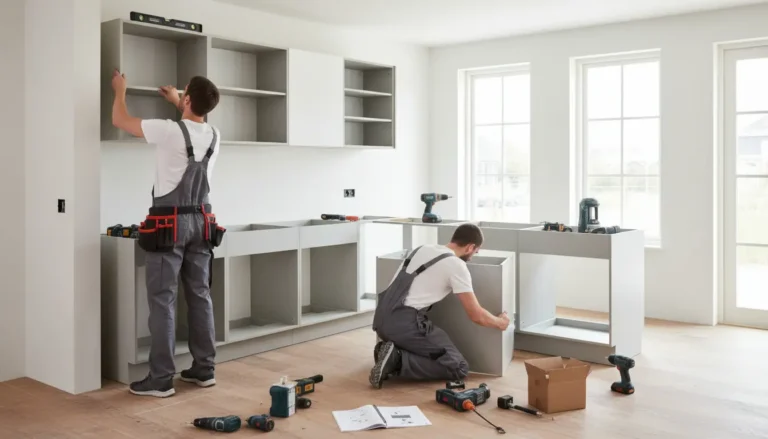
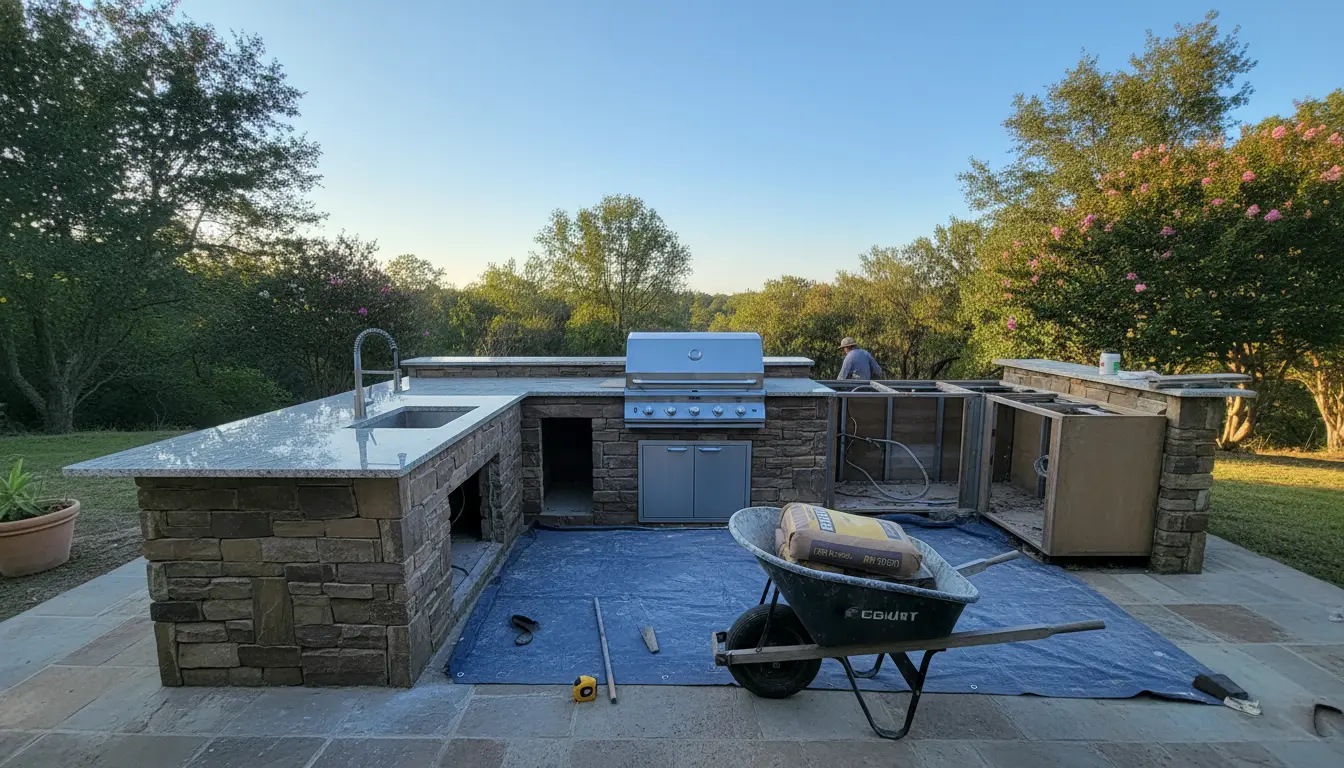
Outdoor kitchen renovation turns an underused patio, terrace, or garden corner into a practical cooking and entertaining space. This page helps you plan a smarter layout, choose weather-ready materials, add storage, cooling, a sink, and cooking zones, and avoid costly design mistakes. With clear guidance and renovation-focused recommendations, you can compare options confidently and create an outdoor kitchen that looks refined, works smoothly, and supports relaxed hosting from the first meal.
Create an Outdoor Kitchen That Works as Good as It Looks
A successful outdoor kitchen is not simply a grill placed beside a table. It is a planned cooking area where preparation, serving, storage, cleaning, and social time flow naturally. The right Outdoor kitchen renovation upgrades the way you use your garden or terrace, because everything you need is close at hand: chilled drinks, clean work surfaces, safe cooking equipment, durable cabinetry, and practical lighting.
Many homeowners start with a simple barbecue station and later discover what is missing. There may be no place to rinse vegetables, no cabinet for utensils, no shaded prep area, or no refrigerator for fresh ingredients. Renovation solves these daily frustrations by redesigning the space around real routines, not showroom fantasy.
What You Gain From Renovating Instead of Improvising
When an outdoor kitchen is planned properly, the space becomes easier to use and more valuable to your home. The biggest gains are practical, but they also affect comfort and atmosphere.
-
Faster hosting: guests stay outside while food, drinks, plates, and tools remain within reach.
-
Cleaner preparation: a sink, faucet, and easy-clean worktop reduce trips back inside.
-
Better storage: weather-resistant cabinets keep cookware, trays, dry goods, and accessories organised.
-
More cooking flexibility: combine a grill with gas burners, a cooktop, or a side burner for sauces and sides.
-
Greater comfort: lighting, shade, seating flow, and wind protection make the area usable more often.
For example, a family that often hosts weekend dinners may benefit from a built-in refrigerator, deep drawers, a spacious counter, and a sink. A couple with a compact balcony may choose a slim modular setup with a folding table, hook set, and closed storage. A larger garden can support separate zones for grilling, plating, drinks, and casual seating.
Design Choices That Make the Difference
Layout that follows your cooking rhythm
The strongest outdoor kitchens follow a simple sequence: store, prepare, cook, serve, and clean. If the refrigerator is far from the worktop, or the grill blocks the serving route, the space feels awkward. During renovation, consider how people move through the area. The cook should not stand with their back to everyone all evening, and guests should be able to collect drinks without crossing the hot cooking zone.
A straight layout works well against a wall or under a canopy. An L-shaped layout creates more counter space and defines the kitchen area. A compact island can be ideal when you want guests to gather around the cooking action. If you are also improving your indoor layout, the broader principles in this kitchen renovation guidance can help you think about workflow, storage, and long-term usability.
Materials built for weather, heat, and cleaning
Outdoor finishes face sun, rain, temperature changes, grease, and frequent wiping. Choose materials that are easy to clean and stable in changing weather. Stainless steel offers a professional look and strong hygiene. Powder-coated metal can create a sleek modern finish. Stone, concrete-look surfaces, and ceramic worktops are popular for durability and style. For cabinetry ideas, compare outdoor-ready approaches with the principles behind custom kitchen cabinets, especially when exact sizing and storage needs matter.
The best choice depends on exposure. A fully covered terrace gives you more flexibility, while an open garden needs tougher materials and better drainage. Always think about maintenance before choosing a finish. A surface may look beautiful online, but if it stains easily or requires constant sealing, it may not suit busy outdoor cooking.
Storage that keeps the space ready
Storage is often the upgrade people appreciate most after renovation. Drawers, closed cabinets, shelves, trays, and labelled containers prevent clutter and protect essentials. Use deeper storage for charcoal, gas accessories, large pans, and serving platters. Use smaller compartments for skewers, tongs, spices, napkins, and bottle openers.
In a compact setup, vertical storage can be more useful than wide cabinetry. Hooks for tools, a narrow pull-out section, or a fold-down prep surface can transform a small area. If your current outdoor kitchen feels messy, storage may be the first area to redesign.
Features Worth Considering
Not every renovation needs every feature. The best result comes from choosing the options that match how you cook and entertain.
-
Built-in refrigerator: ideal for drinks, marinated ingredients, salads, and desserts.
-
Sink and faucet: useful for washing hands, rinsing produce, and cleaning tools outside.
-
Gas burners: great for sauces, stir-fries, soups, and side dishes while grilling.
-
Large worktop: essential when preparing several dishes or serving buffet style.
-
Folding table: adds flexible workspace without permanently taking over the terrace.
-
Integrated lighting: improves safety and atmosphere during evening meals.
-
Waste and recycling area: keeps the space tidy during longer gatherings.
A practical example: if you often host after work, lighting and refrigeration may matter more than a very large grill. If you cook elaborate weekend meals, a sink, burner, and generous prep space will deliver more value. If children or guests move around the patio, safe circulation and rounded edges may be more important than adding another appliance.
Renovation or Full Replacement?
Many visitors wonder whether they should renovate the existing outdoor kitchen or start again. The answer depends on the condition of the frame, utilities, layout, and materials. Renovation is usually attractive when the base is stable, the location works, and you mainly need better surfaces, storage, appliances, or design cohesion. Full replacement is smarter when the structure is damaged, the layout is unsafe, or the utilities were poorly installed.
Compared with starting from scratch, renovation can reduce disruption and preserve useful elements. You might keep the existing canopy, wall, or utility points while adding new cabinets, a better counter, and integrated cooling. However, trying to save the wrong elements can cost more later. If water damage, rust, unstable masonry, or poor ventilation is present, it is better to address those problems before adding new finishes.
Proof That Planning Pays Off
Homeowners who renovate thoughtfully often describe the same outcome: the outdoor area becomes easier to enjoy. Instead of running inside for every plate, drink, or utensil, they stay connected with guests. Meals feel more relaxed, cleanup is faster, and the space gets used more often. Neat installation, experienced advice, and careful measuring also make a visible difference. A kitchen that fits to the centimetre looks intentional, not improvised.
Consider a roof terrace where space is limited. A modular outdoor kitchen with a slim refrigerator, covered storage, and a foldable prep surface can create genuine cooking comfort without crowding the seating area. In a suburban garden, a larger setup with a sink, grill, gas burner, and worktop can turn summer dinners into a smooth routine. In both cases, the value comes from matching the design to the lifestyle.
How to Prepare Before Requesting Advice
Before speaking with a specialist, collect the information that shapes a better recommendation. Measure the available space, note sun and wind exposure, photograph current utilities, and list how you want to use the kitchen. Do you host large groups, cook daily in summer, or mainly want a drinks and grill station? Do you need child-friendly surfaces, extra storage, or a style that matches a canopy or garden room?
It also helps to decide what bothers you most about the current setup. Common frustrations include too little counter space, poor lighting, no water point, visible clutter, an old grill, or materials that are hard to clean. When the main problem is clear, the renovation can focus on changes that genuinely improve daily use.
Make the Space Feel Complete
The finishing details often determine whether an outdoor kitchen feels like part of the home. Match colours with the terrace, façade, canopy, or garden furniture. Add task lighting above the cooking zone and warmer ambient lighting near seating. Keep the serving route open. Use durable handles, soft-close storage if suitable, and surfaces that wipe clean quickly.
Think beyond the first impression. Where will hot pans go? Where do guests place glasses? Can the cook talk to people while preparing food? Is there a hygienic place for raw ingredients? Are liquids stored safely? These small questions prevent big annoyances after installation.
Ready to Renovate With Confidence?
If you want a beautiful outdoor kitchen that is also practical, start with a clear plan. Choose the layout first, then decide on appliances, cabinets, surfaces, lighting, and accessories. A well-planned Outdoor kitchen renovation can give you the comfort of an indoor kitchen with the relaxed atmosphere of outdoor living. Share your wishes, compare tailored options, and take the next step toward a cooking space that makes every gathering easier.
An Outdoor kitchen renovation gives you better storage, smoother cooking, cleaner preparation, and a more inviting space for family and guests. By choosing the right layout, durable materials, and practical features such as cooling, a sink, lighting, and smart cabinets, your outdoor area becomes easier to use and more enjoyable. Ready to upgrade your patio, terrace, or garden kitchen? Start planning your renovation today and create a space built for effortless hosting.
Frequently Asked Questions
How do I know if Outdoor kitchen renovation is better than replacement?
Outdoor kitchen renovation is usually the better choice when the existing structure is stable, the location works well, and utilities are safe. You can upgrade counters, storage, appliances, and finishes without rebuilding everything. Replacement is better if there is serious water damage, poor ventilation, unsafe gas or electrical work, or a layout that cannot be improved.
What features should I prioritise in an outdoor kitchen?
Prioritise the features that remove your biggest frustrations. Most homeowners benefit from durable worktops, closed storage, a reliable grill, good lighting, and enough prep space. If you entertain often, add a refrigerator and sink. If space is limited, consider modular cabinets, vertical storage, hooks, or a folding table.
Can an Outdoor kitchen renovation work in a small garden or balcony?
Yes, Outdoor kitchen renovation can be very effective in smaller spaces. The key is choosing a compact layout with multifunctional elements. A slim cabinet, foldable worktop, hook rail, and small cooling unit can make a balcony or small terrace feel organised without blocking movement or seating.
Which materials are best for outdoor kitchen cabinets and counters?
Choose materials that tolerate moisture, heat, sunlight, and frequent cleaning. Stainless steel, powder-coated metal, ceramic surfaces, stone, and selected weather-resistant composites are common options. The best choice depends on exposure, style, and maintenance expectations. A covered terrace gives more flexibility than a fully open garden kitchen.
How should I prepare for an Outdoor kitchen renovation consultation?
Measure your space, take photos, and list how you want to cook, serve, and entertain outside. Note where sun, wind, water, power, and seating are located. Also write down what you dislike about the current setup, such as poor storage, too little counter space, or frequent trips indoors.
About the Author