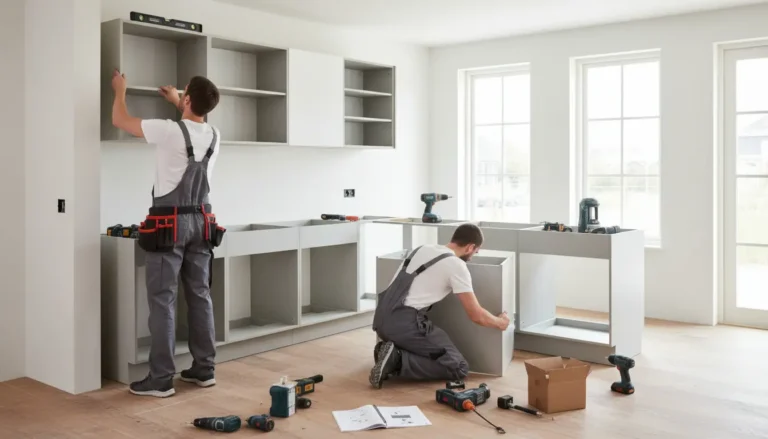
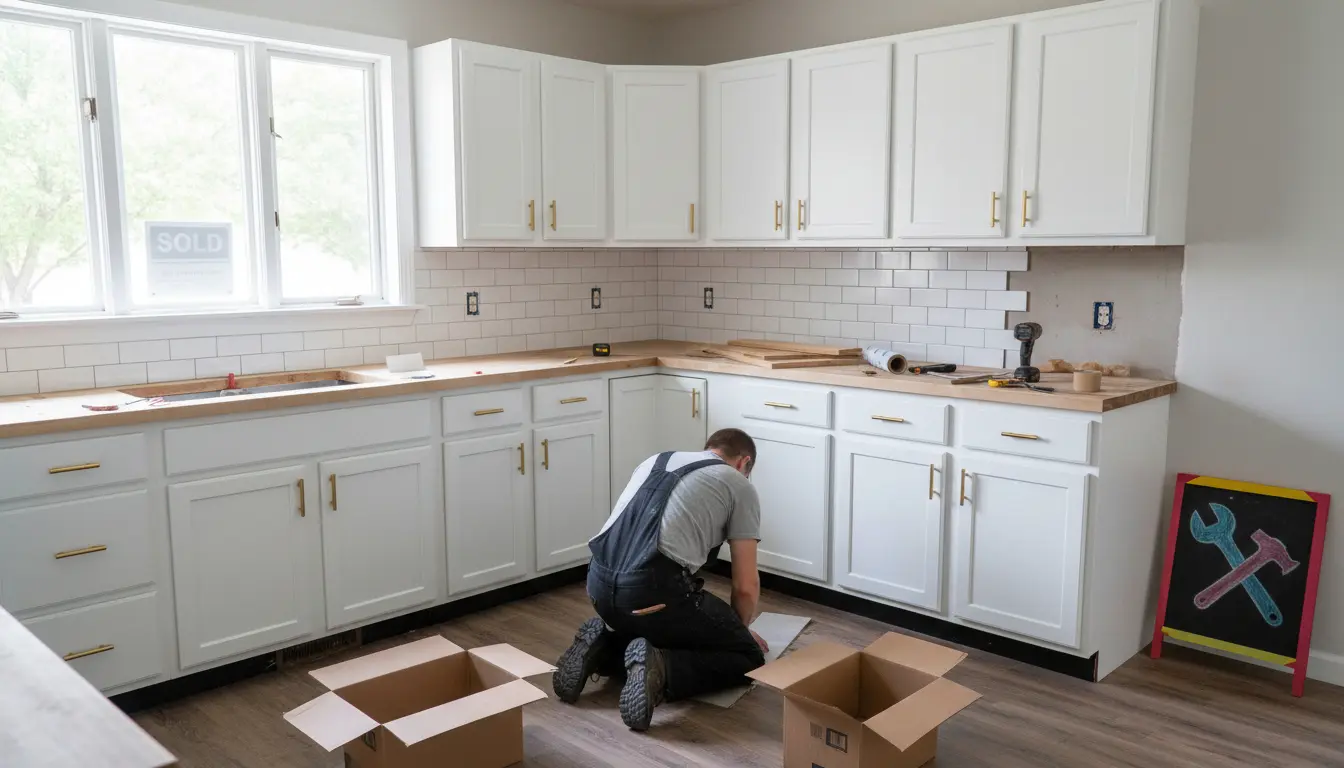
Affordable kitchen renovation is the practical way to refresh your home without paying for a full rebuild. This page shows how smart planning, cabinet updates, lighting, storage improvements, and selective upgrades can create a kitchen that looks refined, works better, and stays within budget. With clear guidance, realistic scenarios, and cost-conscious choices, you can decide where to save, where to invest, and how to move forward with confidence.
Transform Your Kitchen Without Starting From Scratch
A beautiful kitchen does not always require demolition, new plumbing, or a complete layout change. In many homes, the strongest value comes from improving what already works. If your cabinets are structurally sound, your appliances are reliable, and the layout supports daily cooking, an affordable kitchen renovation can focus on visible impact instead of expensive replacement.
The key is to separate what is worn out from what is simply outdated. A tired cabinet color, dull handles, old lighting, or a dated splashback can make the entire room feel older than it is. By refreshing these high-visibility details, you can create a cleaner, brighter, and more modern space while avoiding the cost and disruption of a full remodel.
Why a Budget-Smart Renovation Makes Sense
Choosing a cost-conscious renovation is not only about spending less. It is about spending better. Every upgrade should support at least one clear goal: improving the look, increasing storage, making the kitchen easier to use, or adding long-term home value.
-
Lower overall cost: Reusing existing cabinets, keeping the same layout, and choosing durable but affordable materials can reduce unnecessary spending.
-
Less disruption: Many updates can be completed faster than a full renovation, so your kitchen is not out of use for weeks.
-
Better return on investment: Buyers often notice clean finishes, modern storage, and good lighting before they notice premium materials.
-
More control: You can renovate in stages, starting with the changes that solve your biggest frustrations first.
For homeowners who want a clear overview before comparing options, the broader kitchen renovation guide is a useful starting point for planning the project with realistic expectations.
Start With the Cabinets: The Biggest Visual Win
Cabinets usually take up the most visual space in a kitchen. That makes them one of the best places to begin. If the cabinet boxes are solid, you may not need to replace everything. Painting, refacing, replacing doors, or updating handles can completely change the mood of the room.
When Painting Makes Sense
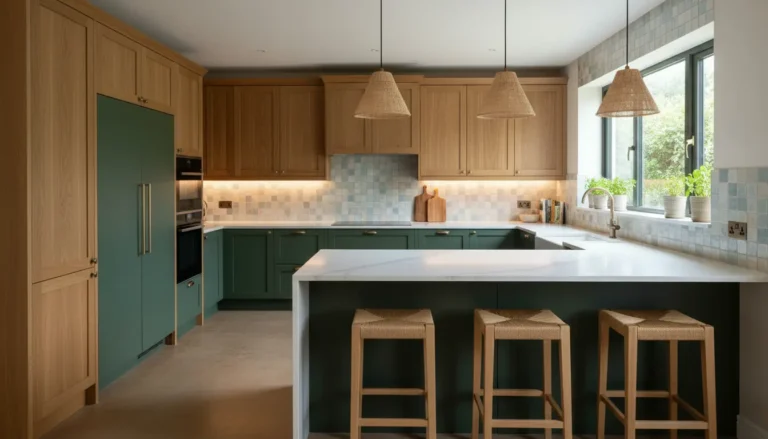
Painting works well when the doors are in good condition but the finish looks old, dark, or mismatched. A soft white can make a small kitchen feel larger. Deep blue or forest green can add character without changing the layout. Warm grey can create a calm, modern look that pairs well with wood worktops and simple hardware.
Preparation is essential. Doors should be cleaned, lightly sanded, primed, and finished with durable paint designed for kitchen use. Skipping this process can lead to chips and uneven coverage. If you want a smoother finish, professional spray painting can be a strong middle ground between DIY painting and full cabinet replacement.
When Refacing or New Doors Are Better
If cabinet doors are warped, damaged, or no longer fit your style, replacing only the fronts can be more affordable than replacing the entire kitchen. This works especially well when the cabinet layout is practical but the visible surfaces are outdated. For more cabinet-focused inspiration, explore kitchen cabinets renovation options before deciding between painting, refacing, or replacing.
Upgrade the Details People Notice Every Day
Small details have a surprisingly large effect because they are seen and touched constantly. Handles, taps, switches, lighting, and splashbacks can make an older kitchen feel intentional rather than tired.
-
Handles: Replacing old knobs with slim black pulls, brushed brass handles, or simple stainless steel hardware can instantly modernize cabinets.
-
Tap: A stylish tap can become a focal point, especially when paired with a simple sink.
-
Splashback: New tiles, washable wall panels, or a clean painted glass effect can refresh the cooking area without changing the entire room.
-
Lighting: Under-cabinet lighting, pendant lights, and warmer bulbs can make the kitchen more inviting and more practical.
Imagine a compact apartment kitchen with plain white cabinets and a dated laminate worktop. By adding matte black handles, warm under-cabinet lighting, a clean subway tile splashback, and a modern tap, the space can feel sharper and more finished without a major rebuild.
Spend Where It Matters, Save Where You Can
An affordable renovation works best when every choice has a purpose. Some areas deserve a little more investment because they affect durability and daily comfort. Other areas can be simplified without hurting the final result.
Worth Investing In
-
Worktops: A durable laminate, compact surface, or quality wood-effect finish can provide the appearance of a premium kitchen at a more accessible price.
-
Lighting: Good lighting improves cooking, cleaning, and atmosphere. It also makes modest materials look better.
-
Storage solutions: Pull-out organizers, drawer inserts, and corner cabinet systems reduce clutter and improve everyday function.
-
Professional electrical or plumbing work: Safety-critical tasks should be handled by qualified professionals.
Good Places to Save
-
Existing appliances: If appliances are safe, efficient, and working well, keep them until replacement is necessary.
-
Layout: Keeping the sink, cooker, and fridge in the same positions can avoid major labor costs.
-
Decorative finishes: Open shelves, paint, art, and stools can be updated over time.
-
DIY-friendly tasks: Painting walls, assembling flat-pack storage, and changing handles can be manageable for confident homeowners.
If your main concern is budget clarity, the kitchen renovation cost guide can help you compare where money is likely to go and which choices influence the final price most.
Practical Renovation Scenarios
The Dated but Functional Family Kitchen
A family kitchen may have strong cabinets, enough storage, and working appliances, but still feel dark and old. In this case, the best plan may be to repaint the cabinets, replace handles, add brighter ceiling lights, install under-cabinet lighting, and change the splashback. The result is a fresher kitchen that supports daily family life without a full replacement.
The Small Kitchen That Feels Crowded
In a small kitchen, the challenge is often not style but space. Affordable improvements can include lighter cabinet colors, slimline handles, open shelving in one area, drawer organizers, and improved corner storage. A compact movable island or trolley can add worktop space when needed and be moved away when the room feels busy.
The Rental or Starter Home Upgrade
For a starter home or rental-friendly refresh, reversible choices are often best. Consider peelable splashback panels, freestanding storage, new lighting shades, cabinet handle replacement, and fresh paint where allowed. The goal is to make the kitchen feel cared for without investing in permanent changes that may not suit the long-term plan.
What Homeowners Often Notice After Renovating
Many homeowners begin with the idea that they only want the kitchen to look better. After the renovation, they often value the practical improvements even more. Clearer work surfaces make cooking less stressful. Better lighting makes evening meals feel warmer. Smarter storage means fewer items are left on counters. New handles and a fresh cabinet finish make the room feel clean and intentional.
Before-and-after projects often show the same pattern: the most effective transformations are not always the most expensive ones. A consistent color palette, tidy finishes, and thoughtful lighting can create the impression of a much larger investment. This is why planning is so important. Random upgrades can feel disconnected, while a simple design direction makes even affordable choices look cohesive.
How to Plan Your Renovation Step by Step
-
List the problems: Write down what bothers you most, such as poor lighting, limited worktop space, dated doors, or awkward storage.
-
Keep what works: Identify cabinets, appliances, flooring, and layout elements that can stay.
-
Set priorities: Decide which updates will create the biggest change for your budget.
-
Choose a style direction: Pick a limited palette for cabinets, hardware, worktops, and walls.
-
Get professional input where needed: Electrical, plumbing, and structural work should not be guessed.
-
Phase the work: If needed, complete the renovation in manageable stages rather than delaying everything.
Ready to Create a Kitchen That Works Harder?
An affordable kitchen renovation is most successful when it is guided by a clear plan, not impulse purchases. Start with the elements that dominate the room, then refine the details that improve comfort and daily use. Whether your goal is a brighter family kitchen, a smarter small kitchen, or a more polished space before selling, the right upgrades can deliver a strong result without unnecessary cost.
If you are ready to compare ideas, define your budget, and choose the updates that will make the biggest difference, begin with a focused renovation plan today. A better kitchen may be closer, faster, and more affordable than you think.
An affordable kitchen renovation can give you a cleaner look, better storage, improved lighting, and a more enjoyable cooking space without the cost of a full rebuild. By keeping what works and upgrading what people notice most, you can create lasting value on a realistic budget. Start planning your refresh today and take the first step toward a kitchen that feels new, practical, and truly yours.
Frequently Asked Questions
How much can I really change with an affordable kitchen renovation?
An affordable kitchen renovation can change the entire feel of the room if you focus on visible surfaces and daily pain points. Cabinet painting, new handles, better lighting, a fresh splashback, and smarter storage can make the kitchen look more modern while avoiding the cost of moving plumbing or replacing everything.
Should I replace my cabinets or refresh the existing ones?
If the cabinet boxes are solid and the layout works, refreshing is often the smarter choice. Painting, refacing, or replacing only the doors can deliver a major visual upgrade. Full replacement makes more sense when cabinets are damaged, poorly installed, too small, or no longer support how you cook and store items.
What are the best low-cost upgrades for an old kitchen?
The strongest low-cost upgrades usually include cabinet paint, modern handles, improved lighting, a new tap, a clean splashback, and organized drawers. These changes work because they affect what you see and use every day. For an affordable kitchen renovation, prioritize upgrades that improve both appearance and function.
Can I complete part of the renovation myself?
Yes, many homeowners handle simple tasks such as painting walls, changing handles, assembling storage, or styling open shelves. However, electrical work, plumbing changes, and structural alterations should be left to professionals. A balanced approach keeps costs lower while protecting safety, durability, and the final quality of the renovation.
How do I avoid overspending during an affordable kitchen renovation?
Start with a written plan, a clear budget, and a list of must-have improvements. Keep the existing layout when possible, compare materials, and avoid changing choices halfway through. An affordable kitchen renovation stays on track when every purchase supports your main goals instead of adding nice-to-have extras too early.
About the Author