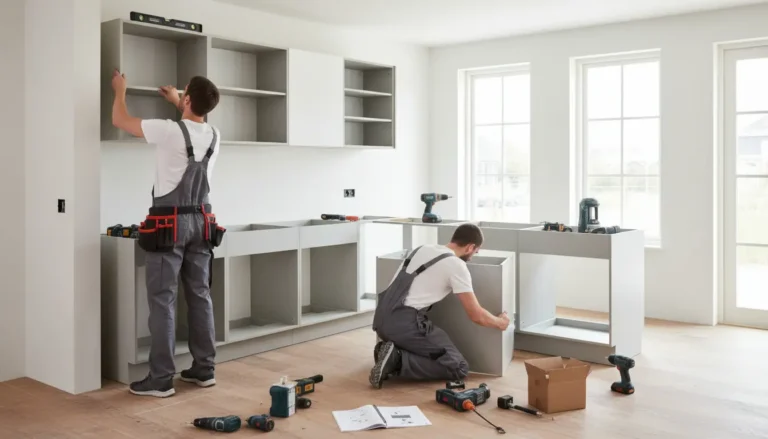
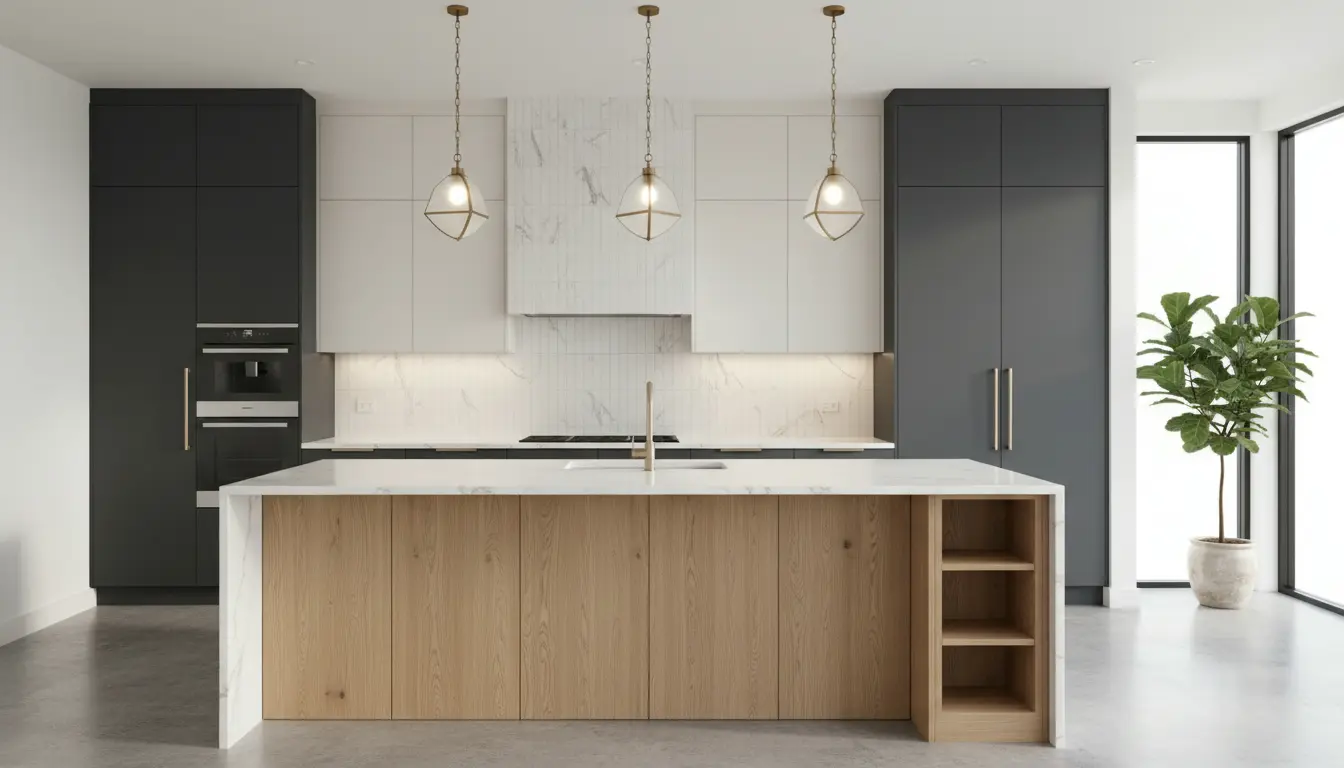
Kitchen renovation trends now focus on smarter layouts, warmer materials, hidden storage, and upgrades that make daily life easier. This page helps you choose improvements that feel current today and remain valuable for years. Based on homeowner behavior, design research, and practical renovation priorities, you will discover which ideas are worth the investment, how to avoid short-lived looks, and where strategic choices can improve comfort, efficiency, and resale appeal.
Design a Kitchen That Works Harder Every Day
The strongest kitchen renovation trends are no longer about copying a showroom. They are about building a kitchen that supports how you cook, store, gather, clean, and live. A beautiful kitchen still matters, but buyers and homeowners increasingly value function first. That means better storage, thoughtful zones, durable materials, and layouts that reduce friction during everyday routines.
Imagine a busy weekday morning. One person is making coffee, another is packing lunch, and someone else is unloading the dishwasher. In an outdated kitchen, everyone crosses paths and clutter builds quickly. In a trend-aware renovation, the coffee station has its own cabinet, the lunch supplies sit near pull-out pantry storage, and the dishwasher is positioned near drawers for fast unloading. The result is not just a nicer kitchen. It is a smoother day.
If you are planning a full remodel, start with a clear plan for layout, cabinetry, lighting, and budget. You can explore broader planning guidance through kitchen renovation resources before choosing finishes. This helps ensure every design decision supports the bigger goal: a kitchen that looks refined, functions beautifully, and protects your investment.
Smarter Storage Is the New Luxury
Storage is one of the most valuable upgrades in a modern kitchen. Homeowners want clean countertops, fast access, and fewer wasted corners. Instead of adding more cabinets without a plan, the best renovations use storage that matches real habits.
High-value storage ideas
-
Pull-out pantry cabinets for dry goods, oils, and everyday ingredients.
-
Deep drawers for pots, pans, lids, and small appliances.
-
Built-in waste and recycling bins to keep the floor clear.
-
Corner solutions that make awkward spaces usable.
-
Tray dividers for baking sheets, cutting boards, and serving platters.
-
Hidden charging drawers for phones, tablets, and recipe devices.
These details may seem small, but they change how the kitchen feels. A family that cooks often may benefit from spice drawers beside the cooktop and utensil inserts near the prep zone. A homeowner who entertains may prefer a beverage area with glassware, drinks, and a small fridge in one place. A compact apartment kitchen may need vertical storage and pull-out shelves to make every inch count.
For cabinetry inspiration that supports these choices, consider reviewing kitchen cabinets storage ideas. The most successful renovations do not simply hide clutter. They prevent clutter from forming in the first place.
Warm Materials Are Replacing Cold, Flat Designs
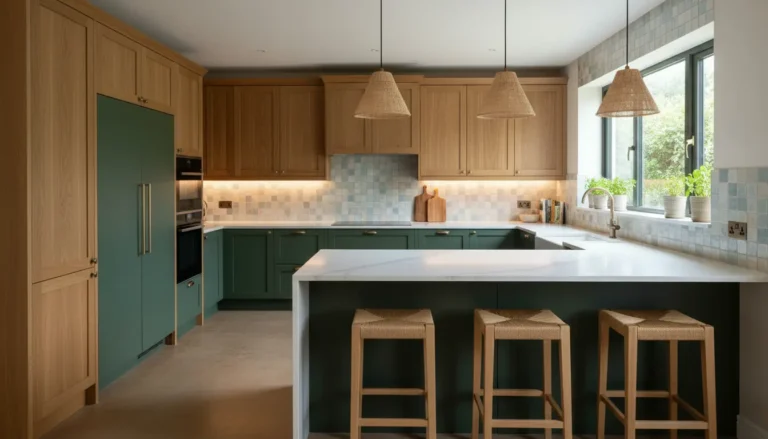
All-white kitchens had a long moment, but many homeowners now want warmth, depth, and texture. Wood tones, soft neutrals, muted greens, creamy whites, and natural stone effects are becoming more desirable because they make kitchens feel welcoming rather than sterile.
This does not mean white kitchens are gone. Instead, they are becoming softer and more layered. For example, white upper cabinets can pair with oak lower cabinets, a warm quartz countertop, and brushed metal hardware. The space still feels bright, but it gains personality and balance.
Materials with lasting appeal
-
Medium-tone wood cabinets for warmth and timeless character.
-
Quartz countertops for durability and easy maintenance.
-
Textured tile backsplashes for subtle visual interest.
-
Brushed nickel, black, or warm metallic hardware for a refined finish.
-
Matte or satin cabinet finishes that hide fingerprints better than high-gloss surfaces.
A practical scenario: if you are renovating to sell within a few years, avoid extreme color choices on expensive fixed elements. Use cabinets, counters, and floors in broadly appealing tones, then add stronger personality through lighting, stools, paint, or décor. If you plan to stay long term, you can personalize more, but the foundation should still feel balanced and durable.
The Kitchen Island Has Become a True Work Zone
The island is no longer just a place to place flowers or serve snacks. It is often the main prep area, homework station, breakfast table, and entertaining hub. One of the most useful kitchen renovation trends is designing the island around specific tasks.
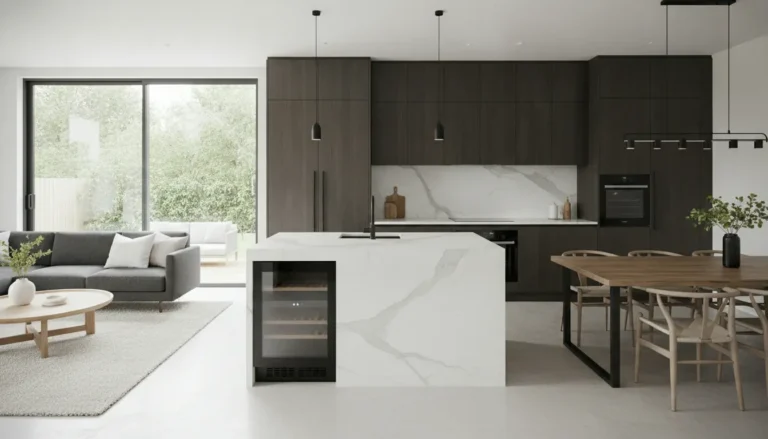
A large household may need seating on one side, drawers on the working side, and a dishwasher or microwave integrated into the island. A couple that loves hosting may choose a wine fridge, serving drawers, and a waterfall countertop for visual impact. A smaller kitchen may use a narrow island or movable worktable to gain flexibility without blocking traffic.
Questions to ask before adding an island
-
Will the island improve movement, or will it create a bottleneck?
-
Do you need seating, storage, appliances, or extra prep space most?
-
Can cabinet and appliance doors open comfortably around it?
-
Should the island contrast with the main cabinets for visual depth?
-
Is lighting planned directly above the work surface?
A well-designed island can increase both usability and perceived home value. A poorly placed island can make even a large kitchen feel frustrating. That is why measurements, clearances, and workflow should guide the decision before style choices begin.
Built-In Zones Make the Kitchen Feel Custom
One reason modern kitchens feel more expensive is the rise of dedicated zones. Instead of treating the whole kitchen as one open storage area, successful renovations create destinations for specific routines.
Popular zones to consider
-
A coffee station with mugs, beans, filters, and a concealed appliance garage.
-
A baking zone with mixing bowls, flour, trays, and a clear worktop.
-
A breakfast zone near the fridge with cereal, bowls, and a toaster.
-
A cleaning zone with waste bins, dishwasher tablets, cloths, and sink accessories.
-
A serving zone near the dining area with plates, napkins, and glassware.
These zones reduce unnecessary movement. They also make the kitchen easier for guests, children, or relatives to use. If someone asks where the mugs are, the answer is obvious because the coffee area explains itself. That level of intuitive design is one of the reasons built-in planning feels premium.
Cabinet Choices Drive the Entire Renovation
Cabinets are usually the visual and functional backbone of the kitchen. They influence storage, budget, color, layout, and long-term durability. Choosing cabinet style too early can be risky, but ignoring cabinetry until late in the process can lead to costly compromises.
Shaker-style cabinets remain popular because they bridge traditional and modern design. Flat-panel doors suit minimalist homes and modern apartments. Wood cabinets add warmth, while painted finishes offer flexibility. If your current cabinet boxes are solid, refacing or painting may be enough. If the layout is inefficient, replacement may deliver better long-term value.
For deeper inspiration, compare styles and finishes through kitchen cabinets ideas. The right cabinets should support the renovation visually and practically, not simply follow the latest color trend.
Smart Appliances Should Solve Real Problems
Smart appliances are useful when they simplify life. They are less valuable when they add complexity without solving a daily issue. The best upgrades include features such as precise temperature control, quiet operation, energy efficiency, flexible oven settings, and alerts that prevent food waste or maintenance problems.
For example, a refrigerator with adjustable zones can help a family store fresh produce, meal prep containers, and drinks more effectively. An induction cooktop can offer fast heating and easier cleaning. A quiet dishwasher can run during open-plan evenings without interrupting conversation. These features feel modern because they improve comfort, not because they are flashy.
Lighting Can Make or Break the Renovation
Lighting is often underestimated, yet it strongly affects how premium a kitchen feels. A single ceiling fixture rarely works well. Modern kitchen design layers light so the room is practical during cooking and atmospheric during dinner.
Use three lighting layers
-
Ambient lighting for general brightness across the room.
-
Task lighting under cabinets and above prep areas.
-
Accent lighting inside glass cabinets, toe kicks, or shelves.
Consider dimmers where possible. Bright light helps with chopping vegetables, while softer lighting makes evening drinks or casual dining feel relaxed. Good lighting also improves resale photography, which can be important if you plan to sell.
What to Prioritize If Your Budget Is Limited
Not every renovation needs to be large. If your budget is controlled, invest where you will see and feel the biggest difference. Cabinet organization, new hardware, improved lighting, fresh backsplash tile, and durable countertops can transform the kitchen without changing everything.
A small kitchen, for example, may gain more value from pull-out storage and bright task lighting than from luxury appliances. A dated but functional kitchen may only need cabinet refinishing, a new sink, and updated counters. A kitchen with a poor layout may require a larger investment because cosmetic updates will not fix daily frustration.
High-impact upgrades to consider first
-
Improve cabinet storage before adding decorative features.
-
Replace worn countertops with durable, low-maintenance surfaces.
-
Add under-cabinet lighting for immediate functional improvement.
-
Upgrade hardware for a quick visual refresh.
-
Choose a backsplash that protects walls and completes the design.
How These Trends Compare to Short-Lived Fads
Strong trends solve a problem. Weak fads mostly demand attention. Before investing, ask whether a choice will still make sense when your lifestyle changes or when a future buyer views the home.
For example, a hidden pantry solves clutter and improves function. That is a durable trend. Extremely unusual cabinet colors may look exciting online but can limit buyer appeal. Oversized statement lighting may be beautiful, but if it blocks sightlines or dates quickly, it can become a liability. The smartest approach is to make permanent elements timeless and use removable details for personality.
Why Homeowners Trust Practical, Value-Driven Renovations
Recent homeowner behavior shows a clear shift toward improving existing homes instead of moving. Many owners face limited housing options, higher moving costs, and older homes that need modernization. As a result, kitchens are being renovated for real life: better storage, safer movement, easier cleaning, and flexible spaces that adapt over time.
This is why features such as pull-out shelves, wider drawer pulls, non-slip flooring, rounded countertop edges, and improved lighting are becoming more important. They support comfort today and accessibility tomorrow. A kitchen designed with longevity in mind can serve young families, frequent hosts, remote workers, and aging homeowners with fewer compromises.
Ready to Turn Trends Into a Renovation Plan?
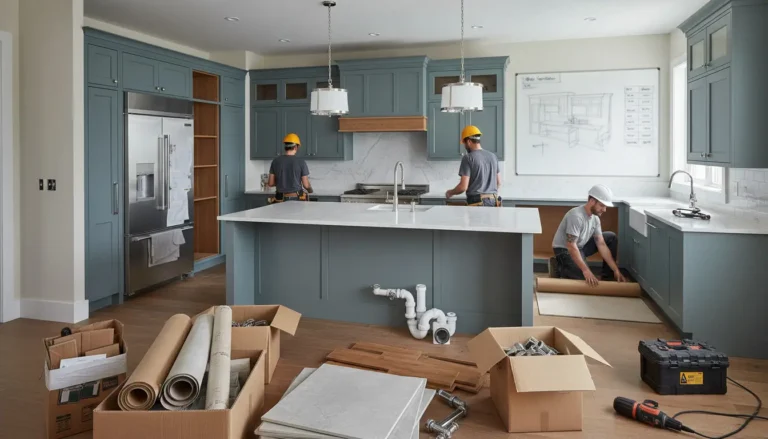
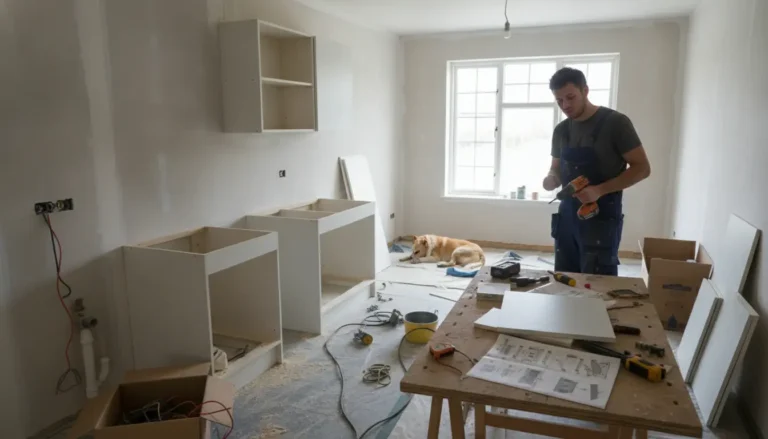
The best time to make smart design decisions is before demolition begins. Start by listing your daily frustrations, then match each frustration to a practical solution. If counters are always crowded, focus on appliance garages and pantry storage. If cooking feels chaotic, improve the prep triangle and lighting. If the kitchen feels cold, introduce wood, texture, and warmer finishes.
Once your priorities are clear, compare materials, cabinet options, and layout possibilities. A trend-led renovation should never feel generic. It should feel like your home, only more efficient, more welcoming, and more valuable. Use these ideas as a decision filter, then take the next step toward a kitchen that works beautifully from the first morning coffee to the last evening cleanup.
The best kitchen renovation trends combine beauty, storage, comfort, and long-term value. Warm materials, smarter cabinets, practical islands, layered lighting, and task-focused zones can make your kitchen easier to use and more attractive to future buyers. Avoid short-lived fads and invest in choices that solve real daily problems. Ready to create a kitchen that feels current and lasts? Start planning your renovation with confidence today.
Frequently Asked Questions
Which kitchen renovation trends are most likely to last?
Kitchen renovation trends with lasting value usually improve function, not just appearance. Built-in storage, warm wood tones, durable countertops, layered lighting, and flexible islands tend to age well because they solve everyday problems. Avoid overly extreme colors or unusual layouts on permanent features if resale value matters.
Are all-white kitchens going out of style?
All-white kitchens are not disappearing, but they are becoming warmer and more layered. Homeowners are adding wood cabinets, creamy tones, textured backsplashes, and contrasting islands to avoid a cold look. If you love white, pair it with natural materials and practical storage for a more current result.
How do I choose Kitchen renovation trends on a budget?
Start with upgrades that change daily use and visual impact. Cabinet organizers, pull-out shelves, new hardware, under-cabinet lighting, and a fresh backsplash can make a major difference without a full remodel. Spend more on durable surfaces and storage, then use paint and décor for lower-cost personality.
Is a kitchen island always a good investment?
A kitchen island is valuable when it improves workflow, storage, seating, or preparation space. It is not ideal if it blocks movement or makes appliance doors difficult to open. Measure clearances carefully and decide whether you need drawers, seating, appliances, or serving space before committing.
Should I follow trends if I plan to sell my home?
Yes, but choose Kitchen renovation trends with broad appeal. Buyers often respond well to clean layouts, practical storage, neutral warm finishes, quality lighting, and low-maintenance countertops. Keep expensive fixed elements timeless and add style through easy-to-change details such as stools, pendants, handles, and wall color.
About the Author