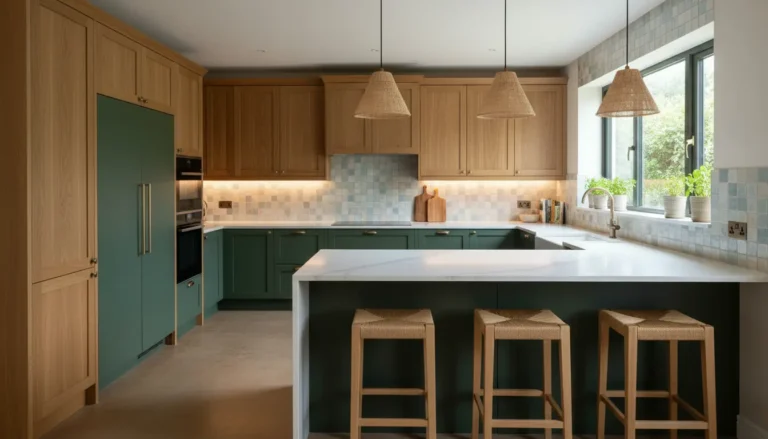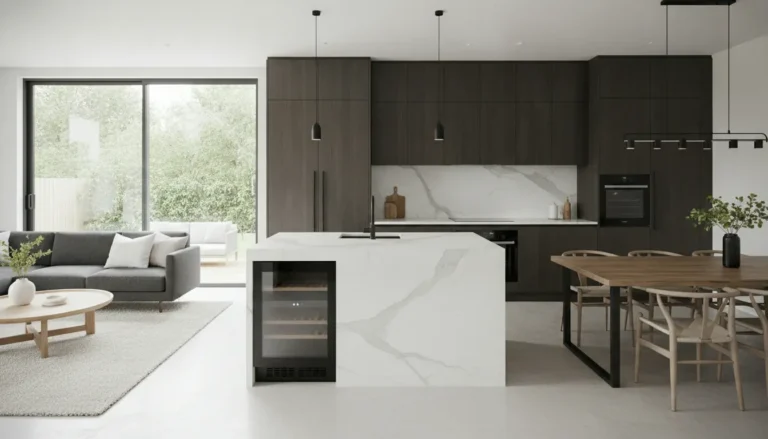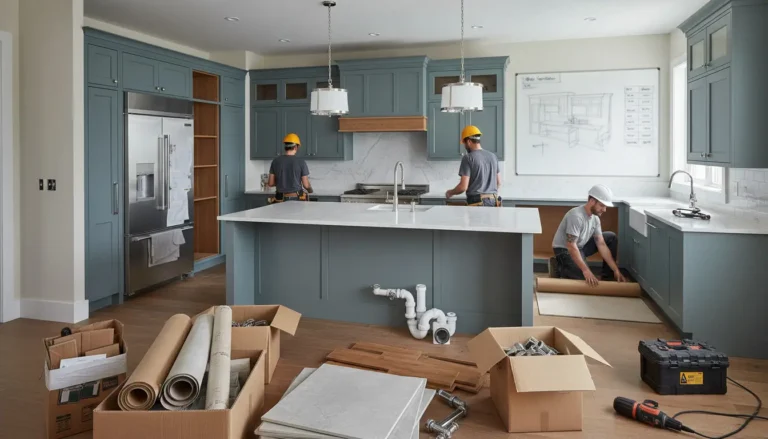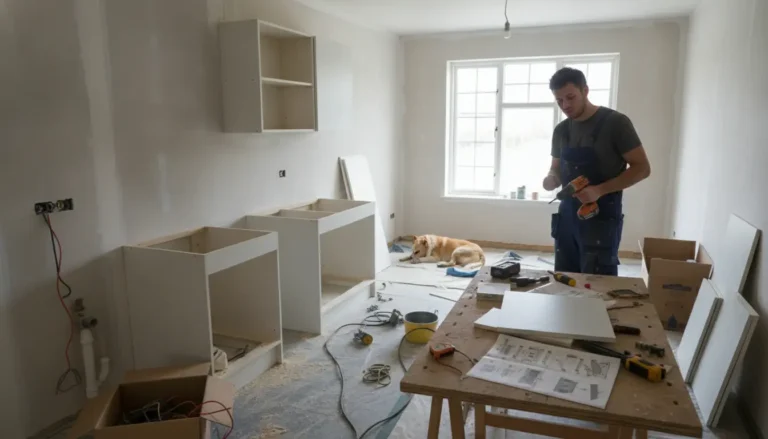
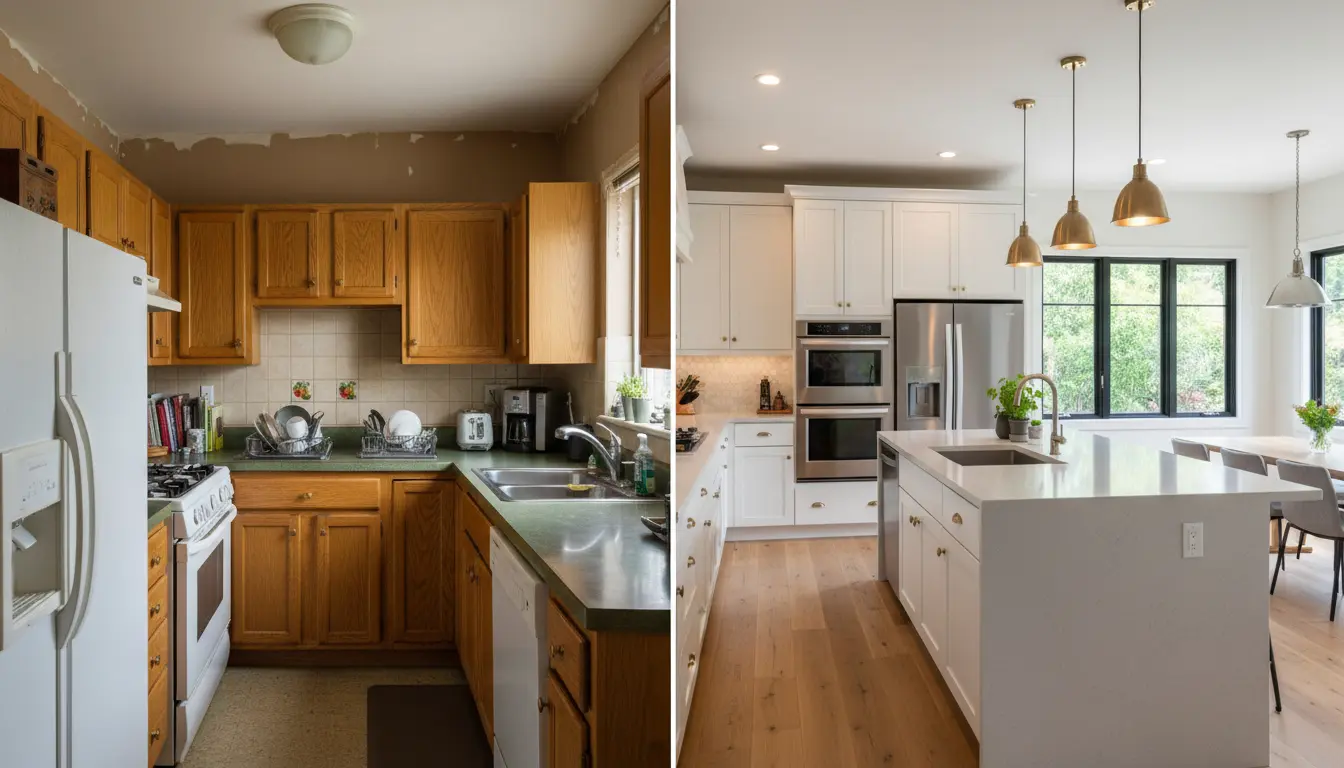
Kitchen renovation before and after planning helps you see the real potential of your space before you commit to a budget, layout, or contractor. This page gives you practical transformation ideas, cost-smart choices, and design guidance that turn dated kitchens into brighter, more functional rooms. With expert-led inspiration, clear comparisons, and renovation scenarios, you can make confident decisions and move from browsing photos to planning a kitchen that improves daily living and supports long-term home value.
See the Transformation Before You Invest
A successful kitchen renovation is not only about replacing old cabinets or choosing a new countertop. It is about understanding what will change, why it matters, and how each decision affects comfort, storage, style, and resale appeal. Before-and-after examples are powerful because they translate abstract ideas into visible results. You can compare a cramped galley kitchen with a more open layout, a dark cabinet scheme with a brighter finish, or a cluttered worktop with smarter storage zones.
When homeowners search for kitchen transformations, they usually want reassurance. They want to know whether white cabinets will make the room feel larger, whether an island is worth the investment, and whether painting, refacing, or replacing cabinets is the better route. A clear renovation plan answers those questions before money is spent.
For a broader starting point, explore professional kitchen renovation guidance and use it to connect inspiration with practical next steps.
What Changes Make the Biggest Visual Impact?
The most impressive before-and-after kitchen results often come from a combination of smart design choices rather than one expensive upgrade. A tired kitchen can look completely different when color, lighting, cabinet fronts, hardware, and layout work together.
Cabinet Updates That Redefine the Room
Cabinets cover a large visual area, so they heavily influence the final look. Dark oak, orange-toned wood, worn laminate, or mismatched doors can make a kitchen feel older than it is. Replacing or upgrading them can instantly create a cleaner and more premium appearance.
-
White cabinets can make small kitchens feel brighter and more open.
-
Wood cabinets add warmth and work well in natural, modern, and transitional interiors.
-
Black or deep green cabinets create contrast and a more tailored look.
-
Handleless fronts offer a sleek, modern finish for minimalist homes.
If cabinets are the main issue in your current kitchen, compare options through kitchen cabinet solutions before deciding between replacement, painting, or refacing.
Lighting That Turns Dated Into Inviting
Many older kitchens rely on one ceiling fixture. In before photos, this often creates shadows, dull corners, and a flat appearance. After a renovation, layered lighting can make the same square footage feel more spacious. Under-cabinet lighting improves food preparation, pendant lights highlight an island, and warm ceiling spots create a welcoming atmosphere in the evening.
Layout Improvements That Change Daily Life
A beautiful kitchen is only successful if it works. Before-and-after layouts often reveal how much convenience is gained by moving appliances, improving storage access, or creating better traffic flow. For example, a family kitchen may benefit from a wider walkway near the refrigerator, while a compact apartment kitchen may need vertical storage and pull-out organizers instead of a large island.
Practical Before-and-After Scenarios
Every kitchen has different limits. Some projects need a full redesign, while others can be transformed with targeted updates. These examples show how renovation choices can match common homeowner situations.
The Small, Dark Kitchen
Before: the room feels narrow, the cabinets are heavy, and the work surfaces are limited. After: lighter cabinet fronts, reflective backsplash tile, open shelving in one area, and under-cabinet lighting create a brighter result. The key is not to overfill the room. In a small kitchen, every choice should support openness and function.
Good upgrades include slim cabinet handles, tall pantry storage, integrated appliances, and pale surfaces. A small room does not need to look basic; it needs careful balance.
The Early Two-Thousands Kitchen
Before: orange-toned cabinets, busy granite, bulky hardware, and beige walls make the kitchen look dated. After: a calmer countertop, neutral cabinet color, modern fixtures, and cleaner lines create a fresh look without losing warmth. This kind of transformation is popular because the footprint may still work, but the finishes need refinement.
In this scenario, you may not need to move plumbing or electrical points. Keeping the same layout can reduce disruption while still delivering a dramatic visual difference.
The Cramped Family Kitchen
Before: everyone gathers in the same small corner, school bags land on counters, and cooking feels stressful. After: a better storage plan, larger drawers, an island or peninsula, and a dedicated pantry zone make the kitchen easier to live in. The most valuable change is often organization, not size.
Families benefit from deep drawers for pots, pull-out bins, charging zones, and durable surfaces that handle daily use. The after result should look polished, but it should also survive breakfast rushes, homework, and weekend cooking.
Why Planning Matters More Than Guesswork
Inspirational photos are useful, but copying a look without considering your own room can lead to expensive mistakes. A renovation should begin with measurements, lifestyle priorities, and a realistic budget. The best before-and-after results come from matching design ambition with practical planning.
-
Measure first: accurate dimensions help avoid layout problems and ordering errors.
-
Set priorities: decide whether storage, style, resale value, or cooking comfort matters most.
-
Choose durable materials: the kitchen must look good after installation and continue performing over time.
-
Plan the sequence: demolition, electrical work, plumbing, cabinets, counters, and finishes should follow a logical order.
-
Keep a contingency: older kitchens can hide uneven walls, outdated wiring, or moisture issues.
To align ideas with realistic numbers, review kitchen renovation cost insights before finalizing your scope.
What Makes a Renovation Feel Premium?
A premium kitchen does not always require the highest budget. It usually comes from consistency. The cabinet style, worktop, backsplash, lighting, flooring, and hardware should feel intentional. When the before photo shows visual noise, the after photo usually succeeds because it removes conflict and creates harmony.
Details That Buyers and Guests Notice
People notice clean lines, smooth finishes, comfortable lighting, and practical storage. They also notice when corners are unfinished, appliances do not align, or handles clash with the overall style. Small details can either elevate the entire kitchen or make the renovation feel incomplete.
-
Soft-close drawers and doors create a more refined daily experience.
-
Integrated bins keep waste out of sight.
-
Corner storage prevents dead space.
-
Consistent hardware makes the design feel complete.
-
Good task lighting makes the kitchen easier and safer to use.
Trust Built Through Realistic Expectations
The most convincing transformations are not only dramatic; they are believable. Homeowners want to see what is possible in kitchens similar to their own. A narrow apartment kitchen, a dated suburban kitchen, and a family kitchen with heavy daily use all need different solutions. Realistic before-and-after planning gives you a clearer picture of what your own project could become.
Many successful renovations start with one frustration: not enough storage, poor lighting, a layout that blocks movement, or finishes that make the home feel outdated. When those issues are solved in a structured way, the after result feels meaningful. It is not just a prettier room; it is a better place to cook, gather, clean, and live.
Renovation, Refacing, or Full Remodel?
Choosing the right level of work is one of the most important decisions. A full remodel can change everything, but it is not always necessary. A targeted renovation may deliver the outcome you want with less cost and disruption.
When a Light Upgrade Makes Sense
If your layout works and the cabinet boxes are still strong, a lighter upgrade may be enough. New fronts, fresh paint, updated handles, improved lighting, and a modern backsplash can create a strong before-and-after effect. This approach suits homeowners who want visual improvement without major structural changes.
When a Full Renovation Is Worth It
If the layout is inefficient, storage is poor, appliances are badly positioned, or surfaces are damaged, a full renovation may be the smarter investment. This allows you to improve the room from the inside out. You can redesign workflow, add storage, upgrade utilities, and create a kitchen that supports your lifestyle for years.
How to Move From Inspiration to Action
After browsing transformations, the next step is to define your own version of success. Do you want a brighter space, a more modern look, a better resale position, or a kitchen that makes family life easier? Clear goals make contractor conversations more productive and help prevent budget drift.
-
Save examples that match your kitchen size and layout.
-
List what you dislike about your current kitchen.
-
Separate must-haves from nice-to-haves.
-
Estimate your budget range before selecting materials.
-
Request expert input before ordering cabinets or fixtures.
A strong kitchen renovation before and after result is never accidental. It is the result of good planning, smart material choices, and a clear understanding of how the room should function. If you are ready to transform an outdated kitchen into a space that looks better, works harder, and adds value, start by turning your favorite inspiration into a practical renovation plan today.
A kitchen transformation is most successful when beauty, function, and budget work together. With the right plan, your before photo can become a brighter, smarter, and more valuable after result. Focus on layout, cabinets, lighting, storage, and durable finishes to create a kitchen you enjoy every day. Ready to take the next step? Compare your options, define your goals, and start planning a renovation that turns inspiration into a result you can live in.
Frequently Asked Questions
How do I know if my kitchen renovation before and after idea is realistic?
Start by comparing inspiration photos with kitchens that match your room size, layout, and budget. A dramatic transformation may still be possible, but structural changes, plumbing moves, and custom cabinets affect cost and timing. Measure your space, list your priorities, and ask a renovation expert to confirm what can be achieved.
What usually creates the biggest difference in a kitchen renovation before and after?
Cabinets, lighting, countertops, and layout typically create the strongest visual change. Replacing dark or dated cabinets with lighter fronts can brighten the room immediately. Better task lighting and cleaner surfaces make the kitchen feel newer, while improved storage changes how the space works every day.
Can I get a strong before-and-after result without replacing everything?
Yes, if the existing layout and cabinet structure are still sound. Painting cabinets, replacing doors, updating handles, adding under-cabinet lighting, and installing a new backsplash can produce a major improvement. This approach works best when the kitchen functions well but looks dated or visually heavy.
How long does a typical kitchen renovation take?
Timelines depend on the scope. Cosmetic updates may take days or a few weeks, while a full renovation with new cabinets, utilities, flooring, and countertops can take several weeks or longer. Planning, ordering materials, and contractor availability also influence the schedule, so prepare before demolition begins.
Does a kitchen renovation before and after increase home value?
A well-planned renovation can support home value, especially when it improves layout, storage, lighting, and finish quality. Buyers often respond strongly to clean, functional kitchens. However, value depends on material choices, workmanship, local market expectations, and whether the renovation suits the overall style of the home.
About the Author