Kitchen renovation price decisions become easier when you know what drives the total investment before you request quotes. This page helps you compare realistic cost levels, understand where money is best spent, and avoid expensive surprises. With practical examples, material insights, and planning advice, you can shape a kitchen that fits your home, lifestyle, and budget. Use this guide to prepare confidently, ask better questions, and move toward a renovation quote with clarity.
What Determines Your Kitchen Renovation Price?
The final cost of a kitchen renovation is not based on one single item. It is the result of design choices, technical work, material quality, appliance selection, installation time, and the condition of the existing space. A simple refresh with new fronts and appliances can stay relatively controlled, while a full redesign with plumbing, electrics, flooring, plastering, and custom cabinets requires a much larger budget.
The most important cost drivers are:
- The size of the kitchen and the number of cabinets required.
- Whether the existing layout stays the same or is completely changed.
- The quality of cabinets, worktops, appliances, flooring, and wall finishes.
- The amount of labour needed for demolition, installation, plumbing, electrical work, tiling, and finishing.
- Any custom features such as a kitchen island, integrated lighting, pantry storage, or made-to-measure cabinets.
A homeowner replacing a dated but functional kitchen may only need new cabinet fronts, a durable worktop, and updated appliances. A growing family, however, may need extra storage, better routing, a larger refrigerator, an induction hob, and a seating area. The second scenario naturally costs more, but it can also deliver far greater daily value.
Typical Kitchen Renovation Price Ranges
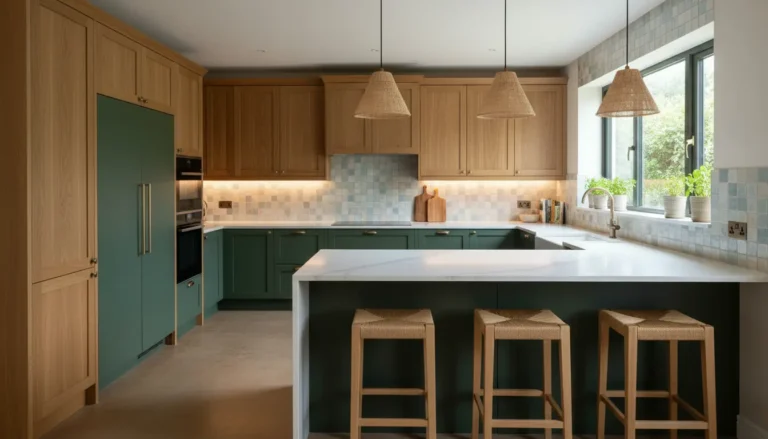
For most homes, kitchen renovations can be divided into three practical investment levels. A budget renovation often includes standard cabinets, laminate worktops, basic appliances, and limited technical changes. A mid-range renovation usually combines better materials, improved storage, energy-efficient appliances, and a more refined finish. A premium renovation may include custom cabinets, ceramic or natural stone surfaces, high-end appliances, integrated lighting, and a completely new layout.
As a broad planning guide, many homeowners should expect:
- Budget renovation: approximately €9.000 to €14.000 for a functional upgrade with standard materials.
- Mid-range renovation: approximately €14.000 to €24.000 for stronger materials, better appliances, and improved layout choices.
- Luxury renovation: approximately €24.000 to €45.000 or more for custom work, premium finishes, and advanced functionality.
These ranges are useful for orientation, but the best way to understand your own Kitchen renovation price is to compare the exact scope of work. Replacing a worktop is very different from moving water pipes, adding new groups to the electrical system, and installing a new floor throughout an open-plan living space.
Where Smart Spending Creates the Most Value
Cabinets and storage
Cabinets form the backbone of the kitchen. They define the look, storage capacity, and daily comfort. Standard melamine cabinets are usually the most affordable, while lacquered MDF, wood veneer, solid wood, and custom solutions increase the price. If your layout is efficient but the fronts are outdated, cabinet refacing or replacement fronts may be a cost-effective route.
For deeper guidance on cabinet options, compare styles and materials through kitchen cabinets. If you want a more tailored result, custom kitchen cabinets can help solve awkward corners, unusual ceiling heights, and storage challenges that standard units cannot handle.
Worktops and surfaces
The worktop is used every day, so it should match both your budget and cooking habits. Laminate is affordable and versatile. Solid wood adds warmth but needs more maintenance. Composite offers durability and design flexibility. Ceramic is popular for heat resistance, hygiene, and a premium look. Natural stone can be beautiful, but it may require careful sealing and maintenance depending on the material.
A practical example: if you cook daily and place hot pans near the hob, ceramic may be worth the higher investment. If you want a stylish rental upgrade or a quick refresh before selling your home, laminate can offer a clean appearance at a lower cost.
Appliances and energy efficiency
Appliances can quickly influence the overall budget. An induction hob, dishwasher, refrigerator, oven, extractor, and freezer all add up. The cheapest models may look attractive at first, but energy-efficient appliances can reduce running costs over time. Smart features are useful when they support your routine, but they are not always essential.
Choose appliances based on how you live. A household that cooks every evening may benefit from a quality induction hob, quiet dishwasher, and larger refrigerator. A smaller household may prefer compact, efficient models and spend more on storage or lighting instead.
How Layout Changes Affect the Budget
Keeping the existing layout is one of the most effective ways to control the kitchen renovation price. When the sink, hob, ventilation, and appliances remain in roughly the same positions, less technical work is required. Moving plumbing, adding electrical points, changing ventilation routes, or removing walls can significantly increase labour and material costs.
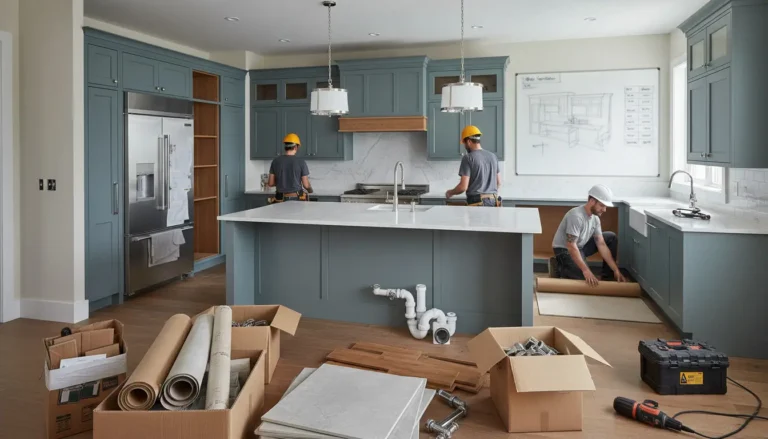
Consider two scenarios. In the first, the cabinets are replaced, the appliances are updated, and the floor remains. This renovation can be planned quickly and usually causes less disruption. In the second, the kitchen is moved to another wall, a peninsula is added, the ceiling is lowered for spots, and new tiles are installed. The result may be impressive, but the technical coordination is more complex.
That does not mean layout changes should be avoided. If the current kitchen blocks natural light, lacks worktop space, or creates constant frustration, redesigning the layout can be the best investment. The key is to make those changes intentionally, not because they were added late in the process.
Why Professional Planning Pays Off
A well-planned renovation saves time, stress, and avoidable costs. Professional planning helps align measurements, materials, appliance specifications, delivery schedules, and installation work. It also reduces the risk of ordering the wrong cabinet size, discovering missing electrical points, or delaying the project because one trade cannot start on time.
Strong preparation includes:
- A clear design with accurate measurements.
- A written scope of work for demolition, installation, plumbing, electrics, walls, floors, and finishing.
- A realistic allowance for unexpected issues.
- A comparison of material options before signing.
- A timeline that matches delivery dates and installer availability.
For broader renovation planning, visit kitchen renovation and use it as a starting point for structuring your project. The better your brief, the more accurate your quote will be.
Proof That the Right Choices Make a Difference
Homeowners who compare quotes carefully often discover that the cheapest offer is not always the best value. One quote may exclude demolition, waste removal, plastering, or electrical adjustments. Another may include higher-quality hinges, better drawer systems, and professional finishing. A complete quote gives you fewer surprises and makes comparison easier.
Many successful kitchen projects share the same pattern: the homeowner defines priorities early. For one family, that may be storage, a large dishwasher, and hard-wearing surfaces. For another, it may be a calm visual design, a compact island, and subtle lighting. When priorities are clear, the budget can be directed toward the features that matter most.
A strong renovation partner will not simply push the most expensive option. Instead, they will explain where premium materials are useful, where standard solutions are sufficient, and where a design adjustment could save money without reducing comfort.
Comparing Budget, Mid-Range, and Premium Choices
A budget kitchen can be a smart choice when the goal is function, speed, and controlled spending. It works well for apartments, starter homes, rental properties, or homeowners who want a clean and reliable upgrade without major structural work.
A mid-range kitchen is often the best balance for long-term use. It allows stronger cabinets, improved drawer systems, better appliances, and a more personal design. This is usually the segment where homeowners get the most noticeable improvement in comfort and appearance without entering a fully custom price level.
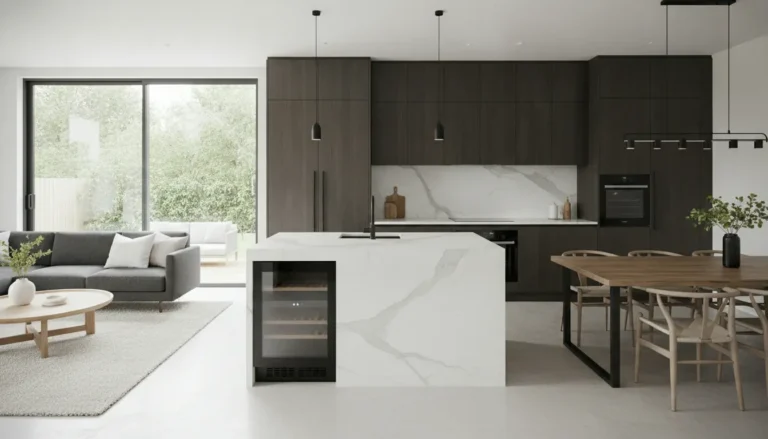
A premium kitchen is ideal when the kitchen is the centre of the home and needs to perform beautifully for many years. It can include custom cabinetry, premium worktops, integrated extraction, advanced lighting, a kitchen island, and luxury finishes. The higher investment should be supported by excellent planning and professional installation.
How to Reduce Costs Without Losing Quality
You can reduce the total investment without creating a cheap-looking result. The goal is to spend deliberately, not simply cut corners. Keep the existing layout where possible, use standard cabinet sizes, combine premium visible elements with affordable internal materials, and compare appliance models from previous collections.
Useful cost-saving choices include:
- Choose a standout worktop but keep cabinet interiors standard.
- Use high-quality fronts in visible zones and simpler finishes in utility areas.
- Replace cabinet fronts instead of the full cabinet structure if the base units are still solid.
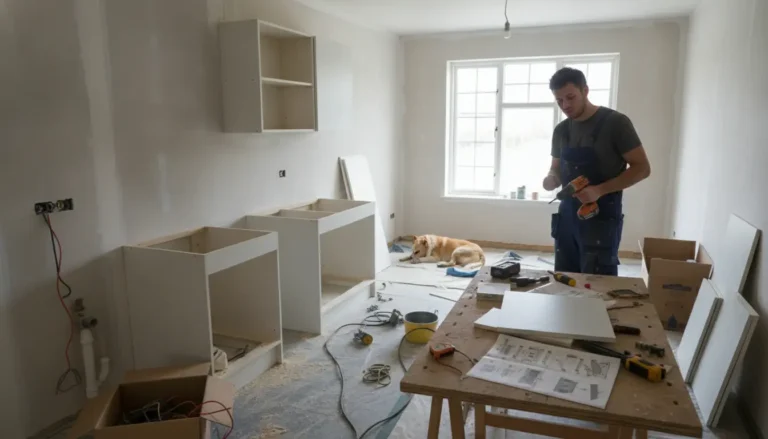
- Do simple preparation yourself, such as clearing the room or removing loose items.
- Plan all trades in the right order to avoid repeated visits and waiting time.
Never save money by doing unsafe technical work yourself. Gas, water, and electrical work should be handled by qualified professionals. Leaks, faults, or unsafe wiring can cost far more than proper installation.
Ready to Get a Clear Quote?
If you want a kitchen that looks better, works harder, and fits your budget, start with a clear plan. List your must-haves, nice-to-haves, and items you are willing to compromise on. Then request a quote that separates cabinets, worktops, appliances, labour, technical work, and finishing.
A transparent quote helps you decide confidently. It also gives you room to adjust the scope before work begins. Whether you want a practical refresh or a complete transformation, the smartest next step is to compare your options and discuss your goals with an expert.
Request a tailored kitchen renovation quote today and turn your budget into a clear, achievable plan.
A clear Kitchen renovation price starts with understanding your layout, materials, appliances, and installation needs. By planning early, comparing complete quotes, and choosing where to invest, you can create a kitchen that improves comfort, style, and long-term home value. Whether your goal is a practical refresh or a premium transformation, the right advice prevents costly surprises. Request a personalised quote today and take the next step toward a smarter kitchen renovation.
Frequently Asked Questions
What is a realistic Kitchen renovation price?
A realistic Kitchen renovation price depends on the size, layout, material level, and technical work required. A simple update can cost far less than a full redesign with new plumbing, electrics, flooring, and custom cabinets. For accurate budgeting, compare quotes that clearly separate materials, labour, appliances, and finishing.
Is it cheaper to keep my existing kitchen layout?
Yes, keeping the existing layout is usually one of the best ways to reduce costs. When the sink, hob, ventilation, and electrical points stay in place, less technical work is needed. You can still achieve a fresh look with new cabinets, worktops, lighting, appliances, and wall finishes.
Why do kitchen renovation quotes vary so much?
Quotes vary because each contractor may include different items. One offer might exclude demolition, waste removal, plastering, or electrical changes, while another includes complete finishing. Always ask for a detailed breakdown so you can compare the true Kitchen renovation price rather than only the headline total.
Which choices add the most value to a kitchen renovation?
Durable cabinets, practical storage, reliable appliances, good lighting, and a hard-wearing worktop usually add the most everyday value. A better layout can also improve comfort dramatically. Spend more on features you use daily and save on details that have limited impact on function or lifespan.
Can I renovate my kitchen in phases?
Yes, phased renovation can be a smart option if your budget is limited. You might start with essential repairs, appliances, or cabinet fronts, then update flooring, lighting, or the worktop later. The key is to plan the final design in advance so each phase fits together properly.
About the Author