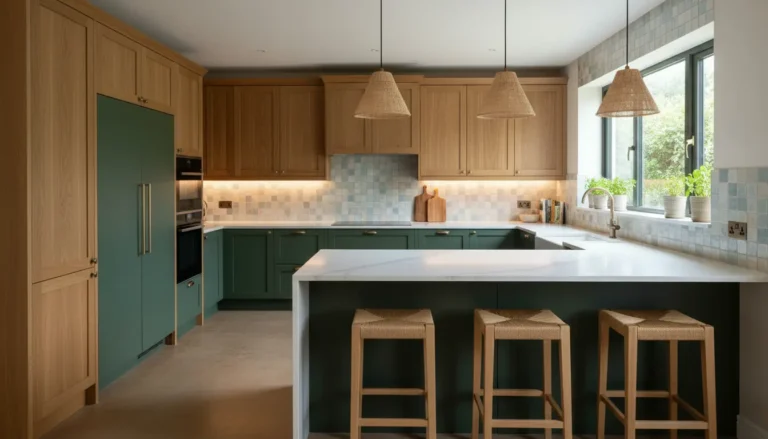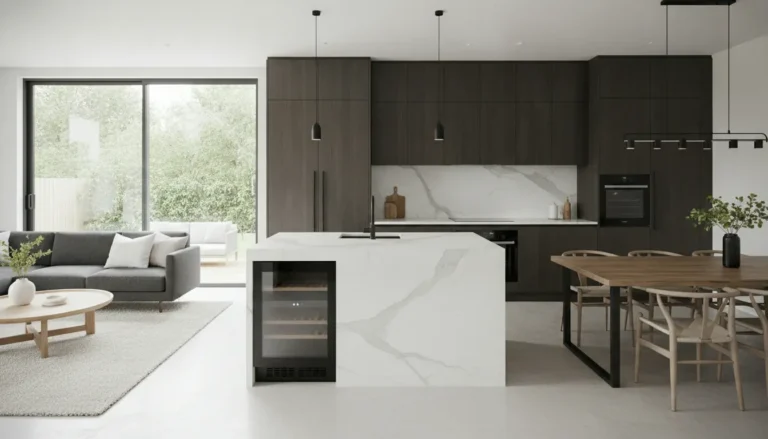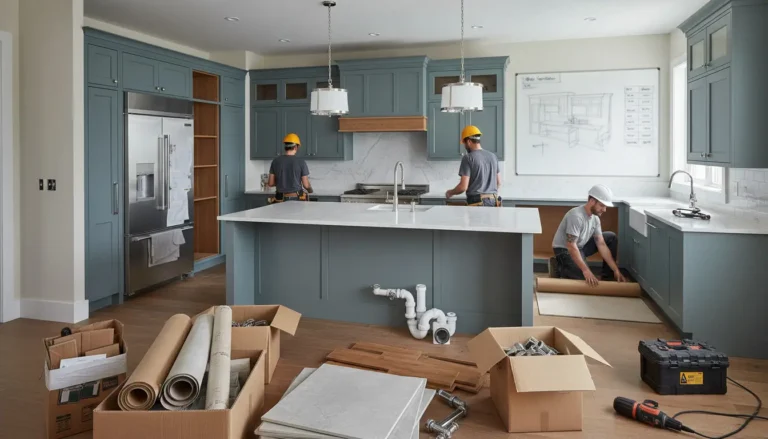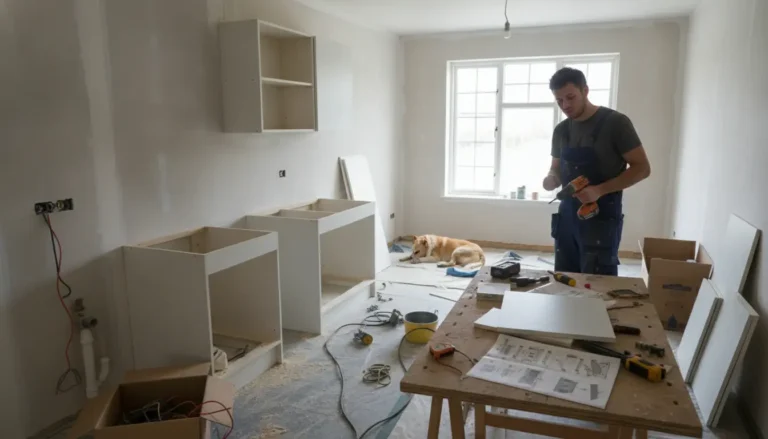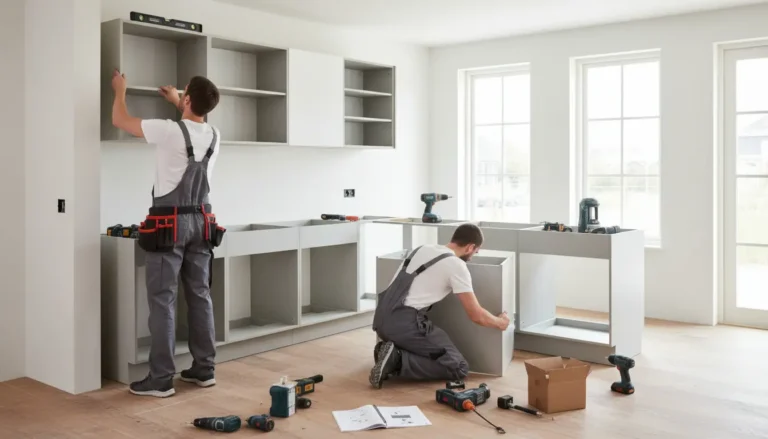
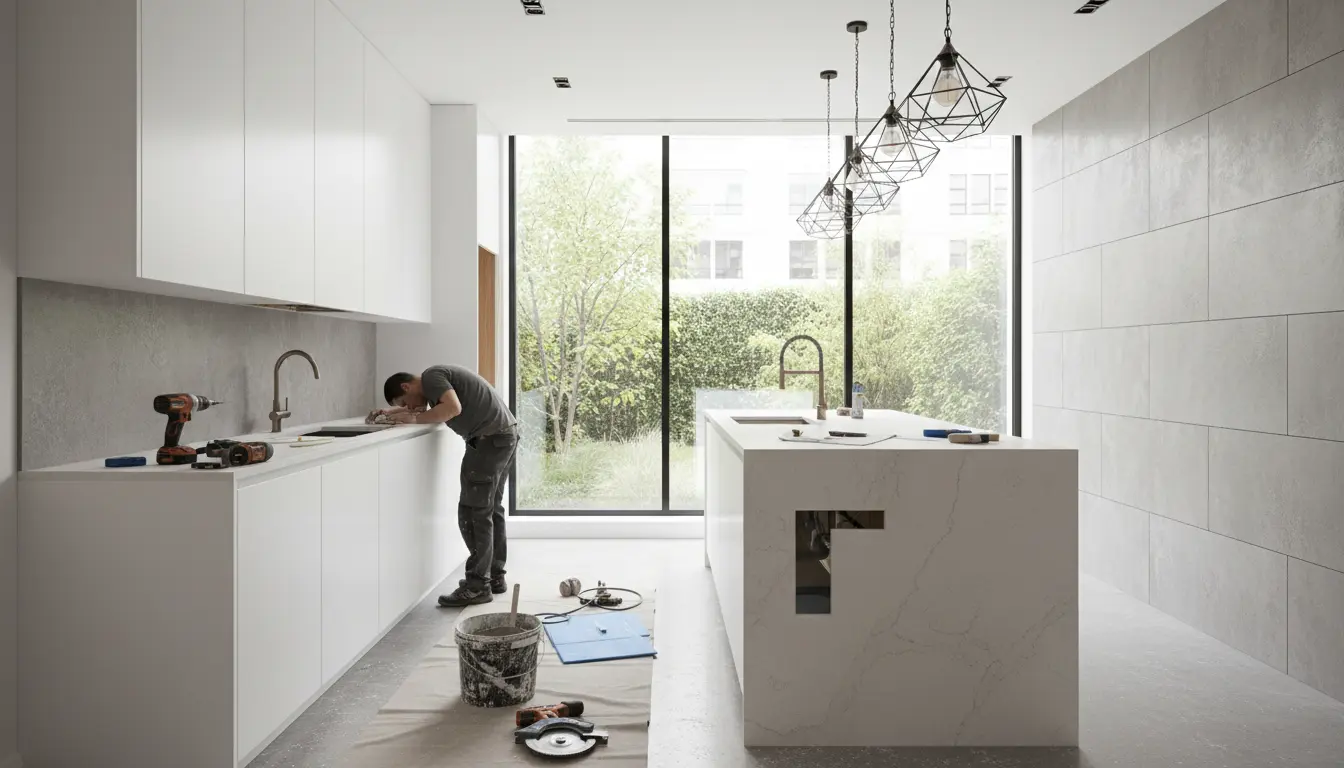
Kitchen renovation modern planning gives you a clearer path to a stylish, functional, and value boosting kitchen without wasted budget or confusing choices. This page helps you compare layouts, cabinet styles, materials, lighting, storage, and renovation priorities with confidence. Built around practical design knowledge and homeowner decision points, it shows how to create a modern kitchen that looks refined, works every day, and supports a stronger return when it is time to enjoy, rent, or sell your home.
Design a Modern Kitchen That Works Beyond the First Impression
A modern kitchen should do more than look impressive in photos. It should make cooking easier, storage smarter, cleaning faster, and daily movement more natural. The strongest renovations begin with the way you actually live. A household that cooks every evening needs different work zones than a home where the kitchen is mainly used for coffee, entertaining, and quick meals.
Before choosing finishes, think about the routine. Where do groceries land? Where are plates stored? Can two people cook without blocking each other? Is the dishwasher close to the sink and cabinets? These small decisions create the feeling of quality that homeowners notice every day.
Why a Modern Renovation Can Add Real Value
Modern kitchens are popular because they combine clean design with practical performance. Buyers often judge a home by the kitchen first, and homeowners tend to spend more time there than in almost any other shared room. A well planned renovation can support both lifestyle comfort and property appeal.
-
Better daily flow: improved layout reduces unnecessary steps between preparation, cooking, washing, and serving.
-
More usable storage: deep drawers, pull out systems, pantry solutions, and tall cabinets make every corner work harder.
-
Higher visual appeal: simple lines, balanced colors, and coordinated materials create a premium impression.
-
Lower maintenance: durable countertops, easy clean fronts, and smart lighting make the kitchen easier to keep fresh.
-
Stronger resale confidence: a modern, neutral, high quality kitchen helps buyers imagine themselves living in the home.
Start With Cabinets, Because They Define the Room
Cabinets shape the layout, storage capacity, color palette, and visual style of the kitchen. For a modern renovation, the most effective cabinet designs usually have clean doors, calm finishes, and integrated organization. Handleless fronts, flat panel doors, warm wood textures, matte colors, and soft neutral tones are all strong choices when used with balance.
If you want a streamlined look, explore modern kitchen cabinets that support a clean architectural feel. For a tailored layout, custom kitchen cabinets can solve awkward corners, unusual ceiling heights, or specific storage needs. The cabinet choice is not only aesthetic; it affects how the entire renovation performs.
Practical cabinet scenarios
In a compact apartment, tall cabinets can replace scattered storage and make the room feel calmer. In a family home, wide drawers near the cooking zone keep pans, lids, and utensils accessible. In an open plan space, cabinet colors may need to connect with the living area, so softer tones or natural wood can prevent the kitchen from feeling too cold.
Choose a Layout That Removes Friction
The best modern kitchen layouts are quiet in the best sense: nothing feels forced. The sink, hob, refrigerator, dishwasher, and preparation surfaces should relate logically. A kitchen island can be excellent, but only when there is enough walking space around it. A galley kitchen can feel luxurious when storage is symmetrical and lighting is carefully layered.
Common layout improvements include moving the refrigerator closer to the entry point, adding a preparation zone beside the sink, replacing lower cupboards with drawers, and using vertical storage for trays, boards, and cleaning items. These changes are not always dramatic, yet they often create the largest improvement in daily comfort.
Materials That Look Modern and Stay Beautiful
A modern kitchen renovation should balance appearance, durability, and budget. Premium does not always mean fragile or expensive. Many homeowners choose quartz, compact laminate, ceramic, or high quality composite surfaces because they offer a clean look with practical resistance. Wood adds warmth, while matte cabinet fronts reduce glare and fingerprints compared with some glossy surfaces.
Backsplashes can shift the entire mood. A full height stone effect backsplash creates a seamless, upscale result. A simple tile with subtle texture can make the kitchen feel handcrafted without losing modern clarity. If the space feels too sterile, introduce warmth through oak shelves, brass accents, soft lighting, or a natural toned floor.
Lighting Makes the Renovation Feel Finished
Modern kitchen lighting should be layered. Ceiling lights alone rarely create a comfortable or premium result. Under cabinet lighting improves preparation, pendant lights add focus above an island, and soft ambient lighting makes the kitchen inviting in the evening. The goal is flexibility: bright when cooking, calm when entertaining.
-
Task lighting: focused light for chopping, cooking, and washing.
-
Ambient lighting: general light that fills the room evenly.
-
Accent lighting: subtle highlights for shelves, niches, or architectural details.
For example, a homeowner who works from the island during the day may need brighter, cooler lighting for focus, while the same space should feel warmer during dinner. Dimmable lighting makes that transition simple.
Storage That Feels Invisible but Changes Everything
One reason modern kitchens feel calm is that clutter has a planned place. Storage should be designed around real items, not generic cabinet spaces. Measure small appliances, serving dishes, recycling bins, spices, oils, and cleaning supplies before finalizing the plan. This prevents the common problem of a beautiful kitchen that still leaves everyday objects on the counter.
Consider pull out pantry units, drawer dividers, corner solutions, hidden charging drawers, integrated waste systems, and appliance garages. If your main frustration is clutter, review ideas for kitchen cabinets storage before deciding on your final layout.
What Makes a Renovation Feel More Premium
Premium design is often about alignment, consistency, and restraint. The gap between cabinets should be even. Handles, if used, should match the scale of the doors. Countertop edges should suit the style of the room. Appliances should feel integrated rather than randomly placed. A modern kitchen does not need excessive decoration; it needs decisions that support each other.
Strong details include a flush finish around tall cabinets, concealed extraction where possible, integrated sockets in practical zones, and a clear relationship between the island, dining area, and walkway. These choices make the kitchen feel considered rather than assembled.
Modern Renovation Compared With a Cosmetic Refresh
A cosmetic refresh can be the right choice when the layout works well and the cabinets are structurally sound. Painting fronts, changing handles, updating lighting, and replacing the backsplash can improve appearance quickly. However, it may not solve poor storage, awkward movement, damaged cabinets, or outdated appliance placement.
A full modern renovation is better when the kitchen no longer supports daily life. If doors hit each other, worktop space is limited, storage is overflowing, or the room feels disconnected from the rest of the home, a deeper remodel creates stronger long term value. The smartest choice depends on the gap between what you have and how you want to live.
Confidence From Real Homeowner Outcomes
Homeowners often begin with inspiration images, but the most satisfying results come from practical transformation. A dated builder grade kitchen can become a calm, modern space by changing cabinet fronts, adding better lighting, choosing a durable countertop, and improving storage. A traditional kitchen can become a new traditional modern space by keeping warmth while simplifying lines and improving function.
Before and after projects show a clear pattern: the biggest satisfaction usually comes from better flow, brighter work areas, and storage that finally fits daily habits. Beautiful finishes matter, but the renovation feels successful when mornings are easier, cooking is more enjoyable, and guests naturally gather without crowding the workspace.
Plan Your Budget Around Impact
Not every upgrade has the same value. Spend first on the elements that are hard to change later: layout, cabinets, electrical planning, plumbing decisions, worktops, and lighting positions. Then choose decorative finishes that support the design without exhausting the budget. This approach helps prevent the common mistake of overspending on visible details while ignoring function.
If your budget is limited, prioritize cabinet organization, lighting, and a durable worktop. If you have more flexibility, consider custom cabinet heights, integrated appliances, and a statement island. Either way, the goal is a kitchen that feels intentional, not just new.
Ready to Create a Modern Kitchen With Less Guesswork?
A successful renovation starts with clear priorities. Decide what must improve, what can stay, and what style will still feel right in several years. Gather measurements, note frustrations, list must have storage, and choose a design direction before requesting quotes. This preparation helps you compare options fairly and avoid rushed decisions.
If you want a kitchen that looks modern, supports daily life, and strengthens your home’s appeal, start with the core choices: layout, cabinets, storage, lighting, and materials. With the right plan, your renovation can become a space you enjoy every day and feel proud to show.
A Kitchen renovation modern project can transform the way your home looks, feels, and functions. By focusing on layout, cabinets, storage, lighting, and durable finishes, you create a kitchen that is elegant, practical, and attractive to future buyers. Whether you need a complete remodel or a focused upgrade, the right plan turns uncertainty into confidence. Start shaping your modern kitchen today and choose solutions that deliver lasting value.
Frequently Asked Questions
What is the best starting point for a Kitchen renovation modern project?
Start with layout and daily function before choosing colors or finishes. Identify what currently slows you down, such as limited counter space, poor storage, or awkward appliance placement. Once the workflow is clear, you can select cabinets, lighting, materials, and details that support the way you cook, clean, entertain, and move through the room.
How do I make a modern kitchen feel warm instead of cold?
A Kitchen renovation modern design can feel warm when you balance clean lines with natural textures. Use wood tones, soft matte finishes, warm white lighting, textured backsplashes, or subtle metal accents. Avoid filling the space with too many glossy surfaces. The best modern kitchens feel calm, simple, and welcoming rather than empty or clinical.
Should I replace cabinets or refresh the existing ones?
If the cabinet structure is strong and the layout works, a refresh may be enough through new doors, paint, handles, lighting, or a backsplash. If storage is poor, dimensions are awkward, or the layout blocks daily movement, replacement is usually smarter. Cabinets define the function and visual quality of a modern renovation.
What features matter most for resale value?
Buyers usually respond to a practical layout, quality cabinets, durable countertops, good lighting, and neutral modern finishes. A Kitchen renovation modern project should avoid overly personal choices if resale is important. Focus on timeless colors, efficient storage, integrated appliances where possible, and a design that feels clean, bright, and easy to maintain.
Can a small kitchen still have a modern renovation?
Yes, small kitchens often benefit the most from modern planning. Tall cabinets, drawer storage, light colors, slim profiles, and careful lighting can make the room feel larger and more organized. Instead of adding more features, focus on removing clutter, improving movement, and choosing materials that create a calm, continuous visual flow.
About the Author