How much value does a kitchen renovation add is the question homeowners ask before investing serious money into their property. This page gives you a clear, practical answer: what uplift is realistic, which upgrades usually perform best, and how to avoid overspending. Based on common market patterns, buyer expectations, and renovation cost logic, you will learn how to plan a kitchen upgrade that improves daily living while making your home more attractive when it is time to sell.
What a Kitchen Renovation Can Really Add to Home Value
A kitchen renovation can add meaningful value, but the amount depends on the condition of the existing kitchen, the local property market, the quality of the work, and how well the finished space fits buyer expectations. In many cases, a well-planned non-structural kitchen update can increase appeal and support a higher asking price. A larger renovation that improves space, light, and layout may add more, especially where buyers pay a premium for open, practical living areas.
The key point is simple: cost does not automatically equal value. Spending more does not always mean your home will sell for more. The strongest results usually come from improvements that make the kitchen feel cleaner, easier to use, more durable, and more broadly appealing.
If your kitchen is dated, damaged, cramped, or clearly behind comparable homes in your area, renovating can remove a major objection for buyers. If your kitchen is already functional and reasonably modern, a targeted refresh may deliver better value than a full replacement.
Why Buyers Care So Much About the Kitchen
The kitchen is one of the first rooms buyers judge because it affects daily life. It is where people cook, gather, work, entertain, and store everyday essentials. A tired kitchen can make an otherwise attractive home feel like a project. A smart renovation, on the other hand, helps buyers imagine moving in without immediate extra expense.
A strong kitchen can help your property in several ways:
-
It creates a better first impression during viewings and photography.
-
It reduces buyer concerns about hidden repair or replacement costs.
-
It can make the home feel cleaner, brighter, and better maintained.
-
It improves practical storage, workflow, lighting, and comfort.
-
It may help your listing compete against similar homes with newer kitchens.
For homeowners staying put, the value is not only financial. Better storage, easier cleaning, improved lighting, and a more efficient layout can improve everyday living for years before you sell.
The Smartest Upgrades for Resale Appeal
The best-performing kitchen renovations tend to focus on what buyers notice quickly and use constantly. You do not always need to move walls or buy luxury appliances. Often, the biggest improvement comes from making the kitchen look fresh, feel reliable, and work better.
Cabinets and Storage
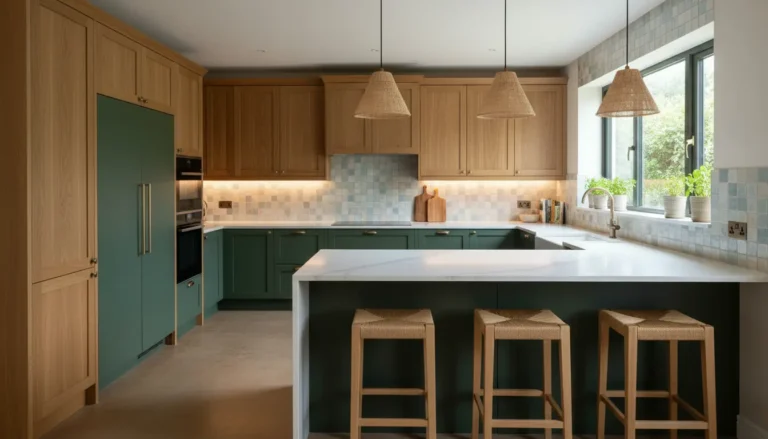
Cabinetry takes up a large visual area, so it strongly influences how buyers perceive the room. If the cabinet boxes are solid, refacing, repainting, or replacing doors can transform the space at a lower cost than a full replacement. For ideas on improving cabinet appearance and function, explore kitchen cabinet refacing.
Practical storage also matters. Deep drawers, pull-out pantry units, corner solutions, integrated bins, and organized internal fittings make the kitchen easier to live with. A buyer may not consciously price each storage feature, but they will feel the difference when the room works smoothly.
Worktops and Surfaces
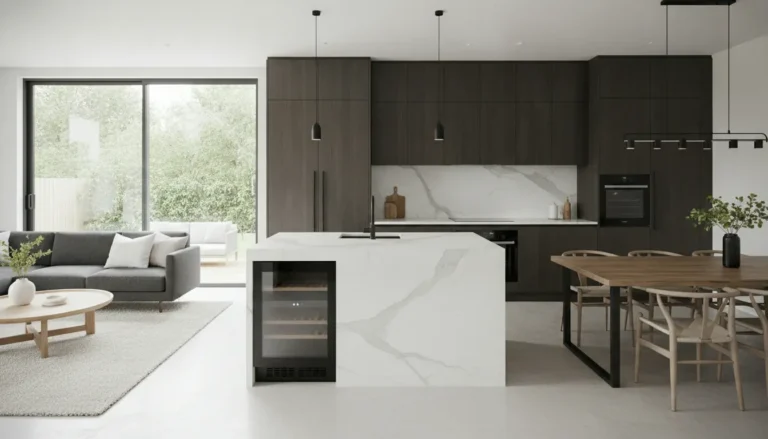
Worktops should be durable, easy to maintain, and visually calm. Quartz, composite, stone, quality laminate, and solid surfaces can all work depending on the home value and buyer profile. The goal is not to choose the most expensive material; it is to choose a surface that looks appropriate for the property and can withstand daily use.
Lighting, Flooring, and Fixtures
Good lighting can make an older kitchen feel significantly better. Layered lighting, under-cabinet lights, clean ceiling fixtures, and bright task areas improve usability and presentation. Flooring should be practical, moisture-resistant, and consistent with the rest of the home. New handles, a modern tap, a clean sink area, and a simple backsplash can also create a polished result without excessive spend.
Minor Refresh or Major Renovation: Which Makes More Sense?
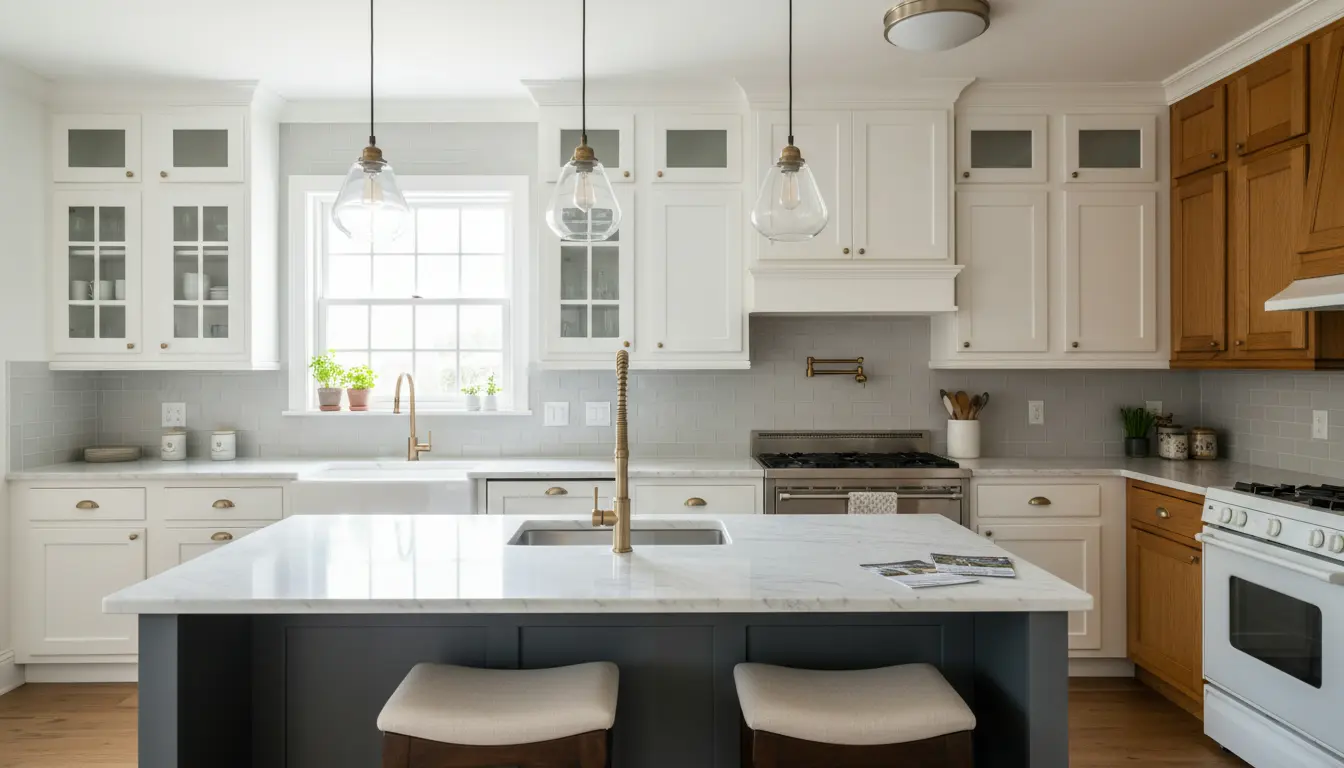
A minor refresh usually keeps the existing layout. It may include cabinet door replacement, new handles, updated worktops, fresh paint, improved lighting, a new sink, a backsplash, or matching appliances. This approach often works best when the layout is acceptable but the kitchen looks tired. It limits disruption and helps control costs.
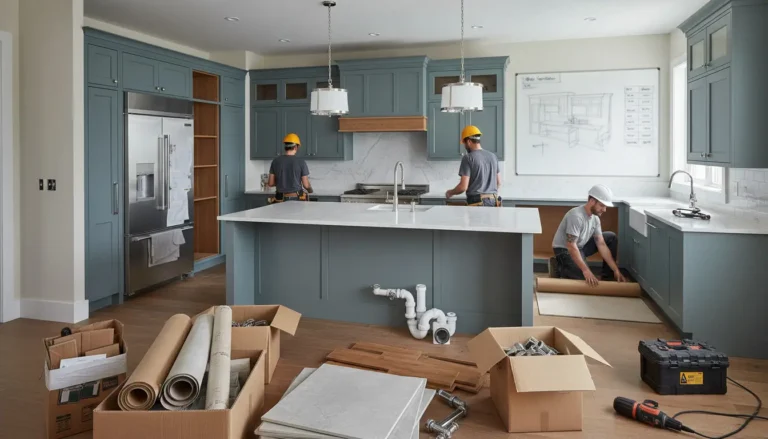
A major renovation may include a new layout, new cabinetry, flooring, plumbing changes, electrical work, structural changes, or an extension. This can add more lifestyle value and may support a higher sale price, but it also carries more risk. Labour, materials, permissions, delays, and unexpected repairs can quickly raise the budget.
Use this simple comparison:
-
Choose a refresh if the kitchen works but looks outdated.
-
Choose a deeper renovation if the layout is poor, storage is inadequate, or the room limits how the home can be used.
-
Choose structural work only if extra space or a better floor plan will clearly improve the property compared with nearby homes.
For a deeper look at budget planning, review this guide to kitchen renovation cost before committing to a scope of work.
How to Avoid Overspending Before You Sell
If your main goal is resale, start with comparable homes. Look at properties in your area with similar size, age, and location. Compare homes with older kitchens against homes with updated kitchens. The price gap gives you a realistic ceiling for your renovation budget.
For example, if comparable homes with dated kitchens sell for less than updated homes, the difference may justify a renovation. But if the price gap is modest, a full luxury kitchen could reduce your net profit. In that situation, a clean refresh may be the better commercial decision.
Keep these rules in mind:
-
Do not over-improve beyond the standard of the neighbourhood.
-
Prioritize repairs and function before style upgrades.
-
Use neutral, timeless finishes for fixed elements.
-
Avoid highly personal colors, unusual layouts, or niche appliances.
-
Set aside a contingency for hidden issues, especially with older homes.
If the roof, heating system, wiring, damp, or structural condition needs attention, fix those problems before investing heavily in the kitchen. Buyers may love a new worktop, but serious inspection issues can still weaken offers.
Practical Scenarios That Show the Difference
The Dated but Functional Kitchen
Imagine a family home with solid cabinets, an acceptable layout, but worn doors, old handles, poor lighting, and tired worktops. A focused refresh could make the kitchen feel modern without replacing everything. In this scenario, repainting or refacing cabinets, adding new counters, upgrading lights, and replacing the tap may create a strong visual change for a controlled budget.
The Small Awkward Kitchen
Now consider a small apartment kitchen with poor storage and limited worktop space. Cosmetic changes help, but function remains the main problem. Here, better cabinetry, vertical storage, compact appliances, and pull-out organizers may add more perceived value than expensive finishes. Buyers of smaller homes often care deeply about efficient use of space.
The Family Home with Layout Problems
In a larger family home, a closed-off kitchen may reduce appeal if buyers expect a kitchen-diner or more sociable layout. Opening the space, improving flow to the dining area, or adding an island may create a more competitive property. However, structural work should be priced carefully because costs can rise quickly.
What Market Evidence Suggests
Real estate professionals and renovation cost reports generally agree on one pattern: smaller, well-targeted kitchen updates often recover a higher share of their cost than very large, luxury projects. Major renovations can still be worthwhile, especially when they solve serious layout issues or add usable space, but they need stronger planning.
Buyers often value kitchens that feel move-in ready. They also respond to cleanliness, light, storage, and durability. A kitchen does not need to be the most expensive room in the market; it needs to match the home, suit the buyer, and remove reasons to negotiate the price down.
For homeowners asking, kitchen renovation return on investment is best understood as a balance between sale price, buyer demand, project cost, and enjoyment while you still live there.
Why Planning with the Right Advisor Matters
A conversion-focused renovation starts before materials are chosen. It begins with a clear goal: selling soon, improving lifestyle, increasing rental appeal, or preparing for long-term use. The right plan helps you decide where to spend, where to save, and which decisions will matter most to future buyers.
A practical kitchen plan should include:
-
A realistic budget based on the home value and market ceiling.
-
A layout that improves movement between sink, cooking, cooling, and storage zones.
-
Durable materials for high-use surfaces.
-
Neutral design choices that attract the widest buyer pool.
-
A timeline that avoids rushing decisions or delaying your sale.
If you are unsure whether to refresh, remodel, or rebuild the space, get a professional assessment before ordering products. A short planning stage can prevent expensive mistakes and protect your final return.
Ready to Make Your Kitchen Work Harder for Your Home?
If you want the best result, do not start with a showroom wishlist. Start with your property, your buyer, and your numbers. The most profitable kitchen renovation is the one that improves daily life, photographs well, feels durable, and matches what your local market is prepared to pay for.
Whether you are preparing to sell or planning to enjoy the home for years, a clear renovation strategy can help you invest with confidence. Choose upgrades that solve real problems, keep the design broadly appealing, and make every euro work toward comfort, function, and future value.
So, how much value does a kitchen renovation add? The strongest answer is: it adds the most when the project is practical, well-budgeted, and aligned with buyer expectations. Focus on layout, storage, durable surfaces, lighting, and timeless finishes before luxury extras. A smart renovation can improve everyday living and strengthen resale appeal. Ready to plan yours with confidence? Start with a clear budget, compare your local market, and choose upgrades that make your kitchen sell itself.
Frequently Asked Questions
How much value does a kitchen renovation add on average?
How much value does a kitchen renovation add depends on the market, project size, and existing kitchen condition. A modest, well-planned refresh often performs better than an expensive luxury rebuild. If the current kitchen is dated or impractical, improving storage, surfaces, lighting, and layout can support a stronger asking price and reduce buyer objections.
Is a minor kitchen remodel better than a full renovation before selling?
Often, yes. If the layout works and the cabinets are structurally sound, a minor remodel can create a fresh look for less money. Replacing doors, worktops, lighting, hardware, and fixtures may be enough to impress buyers. A full renovation makes more sense when the kitchen has serious functional problems or poor space planning.
Should I renovate my kitchen if I am not selling soon?
Yes, if the renovation improves how you live. The financial return is only part of the value. Better storage, easier cleaning, improved lighting, safer electrics, and a more enjoyable cooking space can benefit your household every day. If you may sell later, choose timeless finishes so the kitchen still appeals to future buyers.
Which kitchen upgrades usually add the most resale appeal?
Cabinet updates, durable worktops, practical storage, good lighting, clean flooring, and modern fixtures usually create the strongest buyer response. Matching appliances and a fresh backsplash can also help. Avoid highly personal design choices if resale is important. Broad appeal matters more than following every trend or choosing the most expensive materials.
How do I know how much to spend on my kitchen renovation?
Start by comparing similar homes in your area. If updated kitchens sell for noticeably more, use that gap to guide your budget. Avoid spending more than the likely value uplift. Also include a contingency for unexpected work. If the aim is resale, prioritize visible, practical upgrades over premium features that buyers may not pay extra for.
About the Author