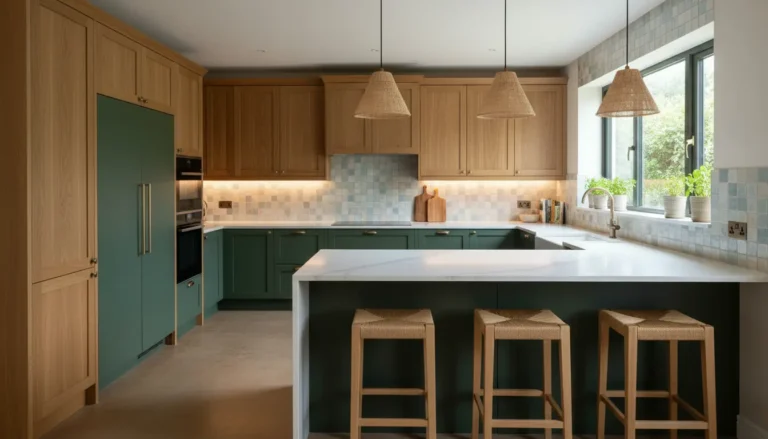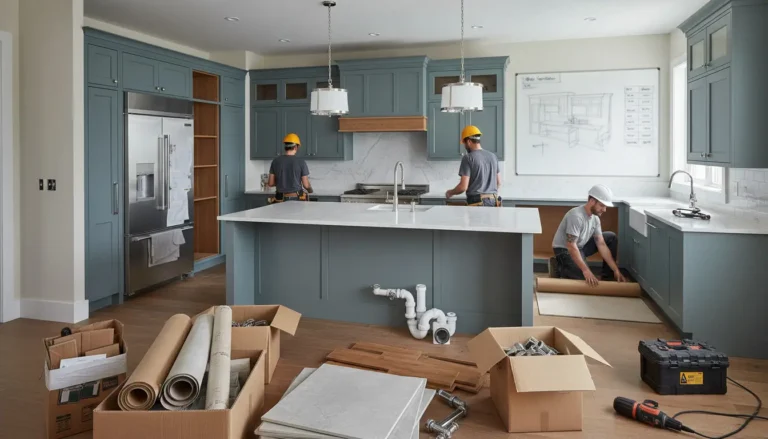

Kitchen renovation cost can feel difficult to predict, but this page gives you a clear way to plan, compare options, and request the right quote with confidence. You will learn what drives the budget, where smart savings are possible, and how to avoid expensive surprises. With practical scenarios, material guidance, and quote-checking tips, you can move from rough ideas to a renovation plan that fits your home, timeline, and priorities.
What Shapes the Real Cost of a Kitchen Renovation?
The final price of a kitchen project is rarely decided by one single item. It is the combined result of layout, cabinetry, appliances, labour, finishes, and the amount of technical work required behind the walls. A simple refresh may focus on doors, worktops, paint, and lighting. A full renovation can include new plumbing, electrical upgrades, flooring, plastering, custom storage, and project management.
The most important question is not only how much you can spend, but what you want the investment to achieve. A family kitchen with heavy daily use needs durable materials, excellent storage, and reliable ventilation. A compact apartment kitchen may need clever cabinet planning and space-saving appliances. A premium open-plan kitchen may require design coordination, lighting zones, and seamless finishes.
Why a Planned Budget Protects Your Result
A well-planned budget does more than control spending. It helps you make decisions faster, compare quotes fairly, and protect the parts of the kitchen that matter most. Without a clear plan, it is easy to overinvest in visible details while underfunding essential elements such as extraction, electrical capacity, or cabinet quality.
A practical budget should include:
-
Cabinetry, including carcasses, doors, hinges, drawers, handles, and internal storage.
-
Worktops, splashbacks, flooring, paint, and wall finishes.
-
Appliances, taps, sink, lighting, sockets, and ventilation.
-
Labour from installers, electricians, plumbers, plasterers, tilers, and decorators.
-
A contingency allowance for hidden defects, delivery changes, or small design revisions.
Keeping a reserve is especially important in older homes. Once cabinets are removed, you may discover uneven walls, tired wiring, moisture damage, or flooring that needs extra preparation. Planning for this avoids rushed compromises later.
Common Kitchen Renovation Scenarios
Cosmetic Refresh
A cosmetic refresh is ideal when the layout works, the plumbing stays in place, and the cabinets are structurally sound. You might repaint or replace cabinet fronts, update handles, install a new splashback, upgrade lighting, and choose a fresh worktop. This route offers a strong visual transformation without the complexity of a full rebuild.
For homeowners selling soon, this can be a conversion-friendly choice because it improves first impressions while keeping the budget focused. If your doors are tired but the cabinet boxes are still strong, cabinet refacing or painting can deliver a refined result for less than complete replacement.
Mid-Range Renovation
A mid-range project usually includes new cabinets, worktops, appliances, flooring, and improved lighting while keeping the overall layout mostly the same. This is often the best balance between cost control and long-term value. You can improve storage, refresh the style, and choose durable materials without paying heavily for moving services across the room.
If cabinets are your biggest priority, review storage formats early. Deep drawers, pantry units, pull-out systems, and corner solutions can change how the kitchen feels every day. For more planning ideas, explore kitchen cabinets and compare which layouts suit your space.
Full Redesign
A full redesign is the right option when the current kitchen no longer supports your lifestyle. This may include moving the sink, adding an island, opening the room, replacing flooring throughout, or integrating premium appliances. It can create the greatest improvement, but it also needs stronger planning because each change can affect several trades.
For example, moving a sink may require plumbing adjustments, cabinet redesign, flooring repairs, and new wall finishes. Adding an island may require electrical points, lighting alignment, and circulation space. These details are manageable when they are included in the scope from the start.
Where You Can Save Without Lowering Quality
Smart savings come from choosing the right specification, not simply choosing the cheapest option. A low-cost appliance that performs poorly can be more frustrating than a modest worktop. A beautiful cabinet door on weak hinges may look good at first but fail under daily use.
Consider these value-focused choices:
-
Keep plumbing and major appliances in their current positions where possible.
-
Choose high-quality laminate or compact surfaces instead of premium stone if durability and budget are equally important.
-
Invest in cabinet hardware, drawer runners, and hinges because they affect daily use.
-
Use feature lighting selectively instead of adding expensive decorative fixtures everywhere.
-
Compare cabinet price drivers before choosing between flat pack, semi-custom, and custom options.
If cabinetry is the largest part of your budget, review kitchen cabinets cost before committing. Understanding materials, construction, and installation requirements helps you ask better questions and prevents quote confusion.
What Makes One Quote Different From Another?
Two quotes can look similar at first but include very different levels of service. One may include demolition, waste removal, electrical work, plumbing, finishing, and installation. Another may only cover cabinet supply and basic fitting. This is why the lowest price is not always the best value.
When comparing quotes, check whether they include:
-
Detailed measurements and design drawings.
-
Cabinet materials, door finishes, hardware brand, and warranty terms.
-
Worktop supply, templating, delivery, and fitting.
-
Electrical, plumbing, tiling, plastering, and painting responsibilities.
-
Timeline, payment stages, cleanup, and aftercare.
A reliable quote should make the scope easy to understand. If a price feels vague, ask for clarification before you accept. This protects both your budget and your expectations.
How Homeowners Gain Confidence Before Committing
Most homeowners want reassurance before starting a kitchen renovation. That reassurance usually comes from seeing real examples, reading reviews, and speaking with specialists who can explain trade-offs clearly. Good professionals should be able to show previous projects, describe why certain materials were chosen, and explain how they handle unexpected issues.
Look for signs of trust such as:
-
Clear communication before the project begins.
-
Transparent pricing with itemised allowances.
-
Relevant experience with kitchens similar to yours.
-
Photos of completed work and realistic customer feedback.
-
Willingness to discuss practical details, not only style.
When people feel informed, they are more likely to choose confidently. A kitchen is not just a purchase; it is a daily environment. The best outcome combines design appeal, functional flow, and long-term reliability.
Choosing Materials That Match Your Lifestyle
Material choices should reflect how the kitchen will be used. A busy household may need easy-clean doors, hard-wearing flooring, and a stain-resistant worktop. A design-led home may prioritise texture, colour harmony, and seamless storage. A rental or starter home may need robust, affordable choices that look modern without overcapitalising.
Cabinet finishes can influence both cost and maintenance. Matt finishes can feel calm and contemporary, while high-gloss doors reflect light in darker rooms. Wood tones bring warmth, and painted finishes can create a tailored look. Worktops also vary widely: laminate is budget-friendly and versatile, engineered surfaces offer a refined feel, and natural stone can be beautiful but may require more care.
To connect budget planning with the full renovation journey, see kitchen renovation for broader guidance on decisions, workflow, and preparation.
When Is It Worth Spending More?
Spending more makes sense when it improves daily performance, safety, durability, or resale appeal. Better drawer systems, strong cabinet construction, good lighting, proper ventilation, and qualified installation can all justify a higher upfront cost. These are the details you use every day, even if they are not the first things guests notice.
It may also be worth investing more if you plan to stay in the home for many years. In that case, the kitchen should support cooking, cleaning, storage, entertaining, and family routines. A cheaper solution that frustrates you every morning may not be a saving in the long run.
Your Next Step: Turn Estimates Into a Clear Plan
The most effective way to control kitchen renovation cost is to define your must-haves, your nice-to-haves, and your non-negotiable budget before requesting quotes. Take measurements, gather inspiration, list appliances, and decide whether the layout should change. Then speak with suppliers or installers who can translate your ideas into a realistic scope.
If you are ready to move forward, request a tailored comparison rather than relying on generic averages. A clear quote gives you the confidence to choose materials, schedule trades, and start your renovation without second-guessing every decision.
Kitchen renovation cost becomes easier to manage when you understand the choices behind the price. By planning the layout, comparing materials, checking quote details, and investing where daily performance matters, you can create a kitchen that looks better and works harder. Start with a clear scope, ask the right questions, and request a tailored quote today to turn your renovation idea into a confident next step.
Frequently Asked Questions
How much does Kitchen renovation cost for a typical home?
Kitchen renovation cost depends on layout changes, cabinet quality, worktop choice, appliances, and labour. A light refresh costs far less than a full redesign with plumbing and electrical changes. The most reliable approach is to define your scope first, then compare detailed quotes that include materials, installation, finishing, and contingency.
Can I reduce Kitchen renovation cost without choosing cheap materials?
Yes. Keep the sink, dishwasher, and major appliances in the same locations, reuse suitable cabinet boxes, and choose durable mid-range finishes. Spend where performance matters, such as hinges, drawers, lighting, and ventilation. This keeps Kitchen renovation cost controlled while still creating a kitchen that feels well-designed and dependable.
Why do kitchen renovation quotes vary so much?
Quotes vary because they may include different services. One contractor might include demolition, waste removal, plumbing, electrical work, tiling, and finishing, while another only supplies and installs cabinets. To compare Kitchen renovation cost fairly, ask for an itemised quote and confirm exactly what is included, excluded, and allowed for.
Is a flat pack kitchen a good way to manage Kitchen renovation cost?
A flat pack kitchen can be a smart option when your room suits standard cabinet sizes and the layout is straightforward. It can reduce cabinet supply costs, but you may still need professional installation, plumbing, and electrical work. Check measurements carefully, because poor fitting can reduce the savings quickly.
When should I choose custom cabinets despite the higher cost?
Custom cabinets are worth considering when your kitchen has unusual dimensions, awkward corners, specific storage needs, or a premium design goal. They usually increase Kitchen renovation cost, but they can improve space use and create a more seamless result. For long-term homes, the daily convenience may justify the extra investment.
About the Author