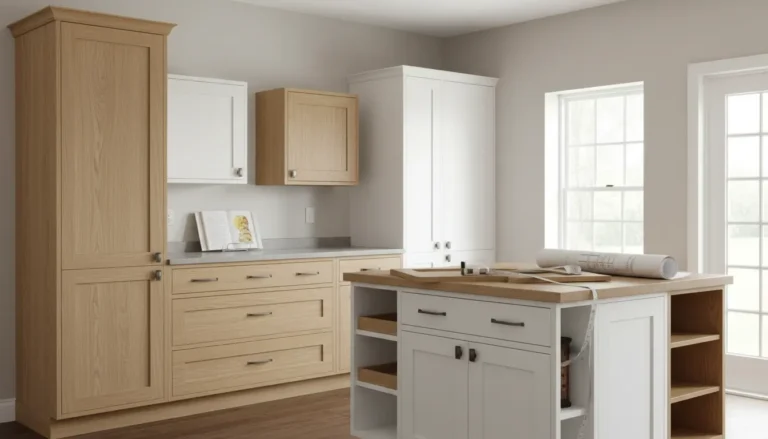
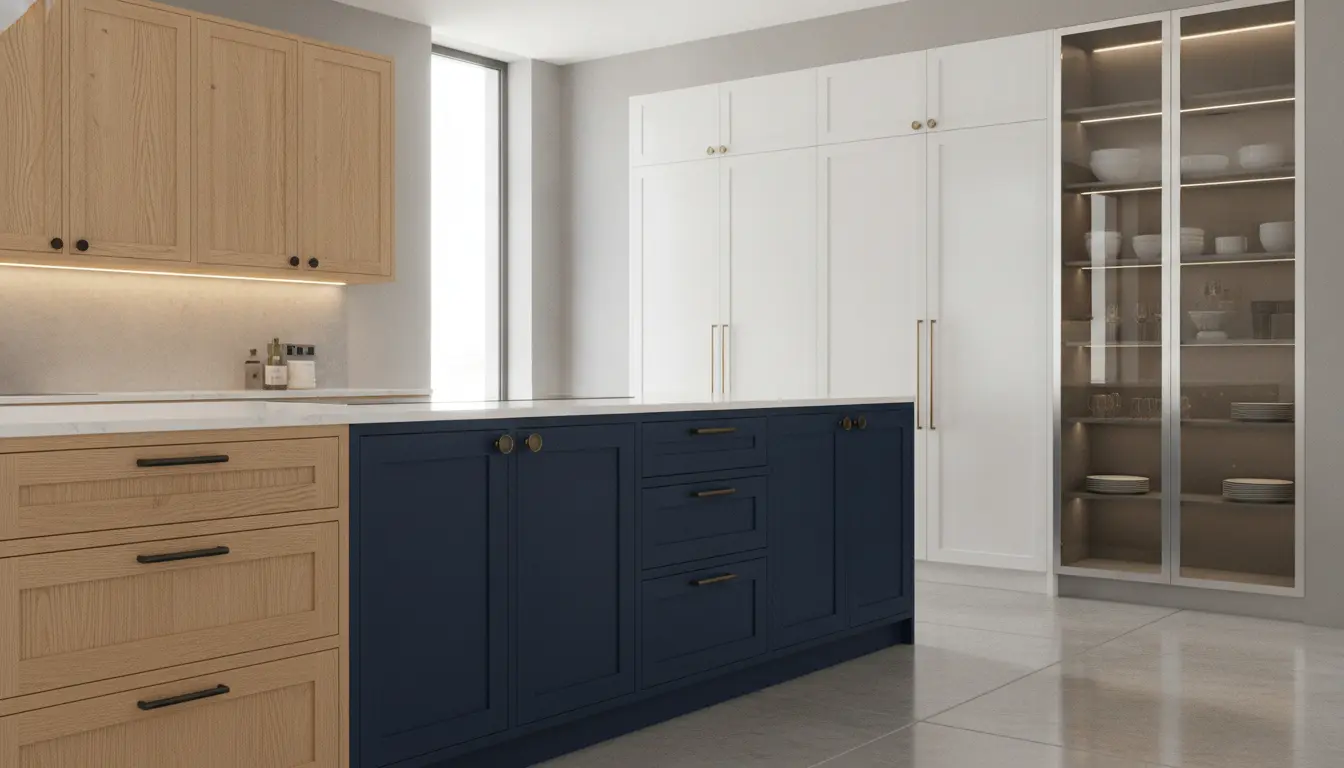
Kitchen cabinets materials can make or break the durability, look and daily comfort of your kitchen. This guide helps you choose the right cabinet core, door finish and moisture-resistant option for your budget and lifestyle. With practical comparisons, real-use scenarios and clear buying advice, you can avoid swelling panels, peeling finishes and costly replacements while selecting cabinets that look premium, work hard and add lasting value to your home.
Choose cabinets that work as hard as your kitchen
Your kitchen is not a showroom piece. It faces steam, spills, heat, fingerprints, heavy pans and constant opening and closing. That is why choosing the right material is more than a design decision. It affects how long your cabinets last, how easy they are to clean, how premium they feel and how confident you are about your investment.
The best choice is rarely one single material for every part of the kitchen. A smart kitchen often combines a strong cabinet body, durable shutters, reliable hinges and a finish that matches your routine. For example, a family kitchen with daily cooking needs different priorities than a stylish apartment kitchen used mostly for quick meals and entertaining.
If you are comparing complete kitchen cabinets, start by looking at three things: moisture resistance, load-bearing strength and surface finish. These determine whether your kitchen still looks clean and feels solid years after installation.
The cabinet body matters more than most buyers think
The cabinet body, sometimes called the carcass, is the structure behind the visible doors. It includes the side panels, top, bottom, back and shelves. This part carries the weight of crockery, cookware, pantry goods and appliances. If the body is weak, even a beautiful front will not save the kitchen from sagging, swelling or loose hardware.
MDF for smooth, cost-conscious cabinet designs
MDF, or Medium-Density Fiberboard, is made from fine wood fibers bonded under pressure. It is popular because it creates a smooth surface, accepts paint and laminate well and can be shaped for classic grooves or modern flat doors. It is often a strong value choice when you want a refined finish without stretching the budget.
Choose MDF when you want painted shutters, clean lines or decorative profiles. It works especially well for wall cabinets, drawer fronts and areas away from direct water exposure. For more detail on this option, explore MDF kitchen cabinets.
Plywood for strength and demanding kitchens
Plywood is made from layered wood veneers bonded in alternating directions. This gives it excellent strength and stability. It is a strong option for busy homes, heavier storage needs and zones that need more resistance than entry-level boards. It is usually more expensive than MDF, but many homeowners choose it for peace of mind.
Use plywood for base units, sink areas and storage zones that carry heavy cookware. If your kitchen sees frequent cooking, large grocery storage or humid conditions, plywood kitchen cabinets can be a smart long-term choice.
HDF-HMR for moisture-prone areas
HDF-HMR stands for High-Density Fiberboard with High Moisture Resistance. It is denser than standard MDF and designed to resist moisture better. This makes it suitable for kitchens where steam, wet cleaning and sink-area exposure are everyday realities. It can be a strong middle ground when you want durability without making every component heavy or costly.
A practical approach is to use HDF-HMR for back panels and moisture-sensitive sections, while using MDF or plywood in other areas depending on budget and design. This gives you balanced performance without unnecessary overspending.
Solid wood for character, with careful planning
Solid wood offers warmth, natural grain and a premium feel that many people love. It can create a timeless kitchen, especially in traditional, farmhouse or high-end designs. However, wood reacts to moisture and temperature changes. Doors may expand, contract or warp if the kitchen environment is not well controlled.
Solid wood is best when you value natural beauty and are prepared for maintenance. In many modern kitchens, a veneer over a stable core gives a similar wood look with better dimensional stability.
Particle board and PVC for limited-use budgets
Particle board and PVC are often selected for lower-cost projects. They can work in light-use spaces, rental updates or temporary kitchens, but they are not ideal for heavy storage or long-term performance. Particle board may struggle with moisture and weight, while PVC can feel less premium and may not offer the same lifespan as stronger engineered materials.
If budget is the main concern, consider using economical materials only in low-stress zones and investing more in sink units, base cabinets and frequently used drawers.
Finishes that protect the cabinet and shape the style
The finish is what you touch and see every day. It protects the core material and defines the personality of the kitchen. A good finish should match your lifestyle, not only your mood board.
-
Laminate: Practical, affordable, moisture-resistant and easy to clean. It is ideal for families, rental properties and everyday kitchens where durability matters.
-
Acrylic: Glossy, reflective and premium-looking. It suits contemporary kitchens but shows fingerprints more easily, so regular wiping is important.
-
Membrane: A flexible finish that wraps around routed doors and decorative profiles. It works well for classic or transitional kitchens.
-
PU paint: Smooth, elegant and customisable in matte or gloss. It gives a luxury look but needs careful handling to avoid visible chips.
-
Veneer: Real wood character over a stable base. It is excellent for warm, natural kitchens but requires more mindful maintenance.
-
Glass: Airy, modern and useful for display cabinets. Frosted or fluted glass can hide clutter while adding visual depth.
-
Stainless steel: Tough, hygienic and highly durable. It is common in professional kitchens and suits industrial interiors, though fingerprints and scratches can show.
Which material fits your lifestyle?
For a busy family kitchen
Choose plywood or HDF-HMR for base cabinets, especially near the sink and dishwasher. Pair it with laminate for easy cleaning and resilience. This combination handles spills, snacks, school mornings and frequent cooking without demanding constant care.
For a premium modern apartment
MDF shutters with acrylic or PU paint can create a sleek, high-end result. Add soft-close hardware and internal organisers to improve daily usability. If the kitchen is open to the living room, a refined finish can also make the space feel more like furniture than storage.
For a warm natural kitchen
Consider veneer fronts over a stable engineered core. You get authentic wood grain without relying entirely on solid wood. This is a strong option for oak, walnut or other wood-inspired designs where character and stability both matter.
For a budget-conscious renovation
MDF with laminate can deliver a clean, durable look at a sensible price. Spend more on high-use zones, hinges and drawer systems rather than choosing the cheapest board everywhere. The right mix helps your kitchen feel better, last longer and look more polished.
A clear comparison before you decide
|
Material |
Best for |
Main advantage |
Watch out for |
|---|---|---|---|
|
MDF |
Painted doors and smooth finishes |
Affordable, stable and easy to shape |
Needs protection from direct moisture |
|
Plywood |
Base units and heavy storage |
Strong, durable and reliable |
Higher cost and heavier panels |
|
HDF-HMR |
Moisture-prone areas |
Dense and moisture resistant |
Can cost more than standard MDF |
|
Solid wood |
Premium natural kitchens |
Authentic grain and timeless style |
Can move with humidity changes |
|
Laminate finish |
Everyday practical kitchens |
Easy maintenance and strong value |
Edge quality must be well finished |
|
Acrylic finish |
Glossy contemporary designs |
Luxury shine and smooth surface |
Fingerprints are more visible |
Why confident buyers look beyond the surface
Homeowners who are happiest with their kitchens usually make decisions based on performance, not only colour. They ask what happens if water reaches the sink cabinet, whether shelves can carry heavy plates, how easily the fronts clean after cooking and whether the finish suits their tolerance for maintenance.
Installers and kitchen specialists also tend to focus on edge banding, panel thickness, hinge quality and drawer runners. These details are not always visible in a showroom photo, but they affect daily satisfaction. A cabinet that closes smoothly, resists moisture and stays aligned feels better every single day.
Make your material choice easier
Before requesting a quote, list how you use your kitchen. Do you cook daily? Do you need deep drawers for cast iron pans? Is the sink area prone to splashes? Do you prefer matte surfaces that hide fingerprints, or glossy fronts that create a dramatic statement? Your answers quickly narrow the best cabinet material and finish combination.
If you want a low-maintenance kitchen, prioritise laminate, HDF-HMR and plywood in hardworking zones. If your main goal is design impact, consider acrylic, PU paint, veneer or glass fronts. If you want the best balance, combine a durable carcass with a finish that matches your cleaning habits.
Ready to move from research to a kitchen that fits your home? Compare materials, set your priorities and request guidance before buying. The right decision now can save repair costs, improve everyday comfort and make your kitchen feel more valuable from the first day.
The best kitchen starts with materials chosen for real life: moisture resistance, strength, easy maintenance and the style you love. MDF, plywood, HDF-HMR, laminate, acrylic, veneer and glass each have a clear role when used wisely. Choose the right mix for your cooking habits, budget and design goals. Ready for cabinets that look better and last longer? Start comparing your options and plan your upgrade today.
Frequently asked questions
What are the best Kitchen cabinets materials for daily cooking?
For daily cooking, the best Kitchen cabinets materials are usually plywood or HDF-HMR for the cabinet body, combined with laminate or a durable painted finish for the doors. This mix handles moisture, weight and frequent cleaning well. MDF can also work for shutters if edges are sealed properly and direct water exposure is avoided.
Is MDF a good choice for kitchen cabinets?
MDF is a good choice when you want smooth painted doors, clean modern fronts or decorative profiles at a sensible price. It is stable and easy to finish, but it should be protected from standing water. For sink zones or very humid kitchens, combine MDF shutters with a more moisture-resistant carcass material.
Are plywood cabinets worth the higher price?
Plywood cabinets are often worth the higher price if your kitchen is used heavily. They offer strong screw holding, good load capacity and better resilience than many budget boards. They are especially useful for base cabinets, large drawers and sink areas. The investment can reduce repairs and replacement concerns over time.
Which finish is easiest to maintain?
Laminate is usually the easiest finish to maintain because it resists moisture, wipes clean quickly and suits everyday kitchens. Matte laminate hides small marks better, while glossy surfaces may show fingerprints. Acrylic and glass look premium but need more frequent wiping. Your best choice depends on how much cleaning you want to do.
How do I choose Kitchen cabinets materials on a budget?
When choosing Kitchen cabinets materials on a budget, spend more on high-stress areas and save on low-use sections. Use plywood or HDF-HMR near the sink and for base cabinets, then consider MDF with laminate for doors and wall units. This gives better durability without paying premium prices for every component.
About the Author