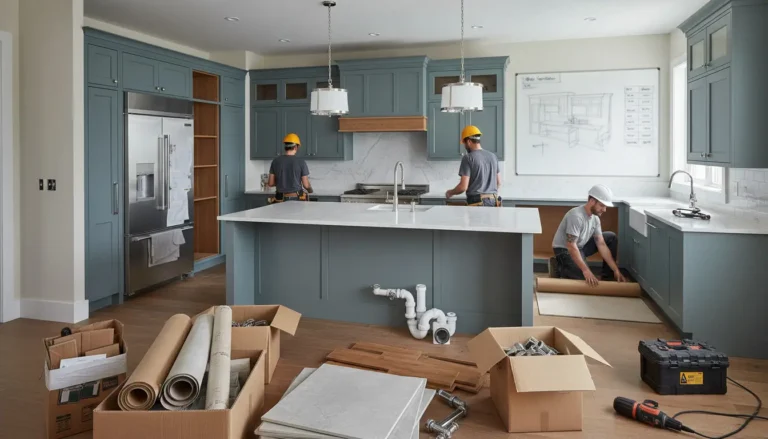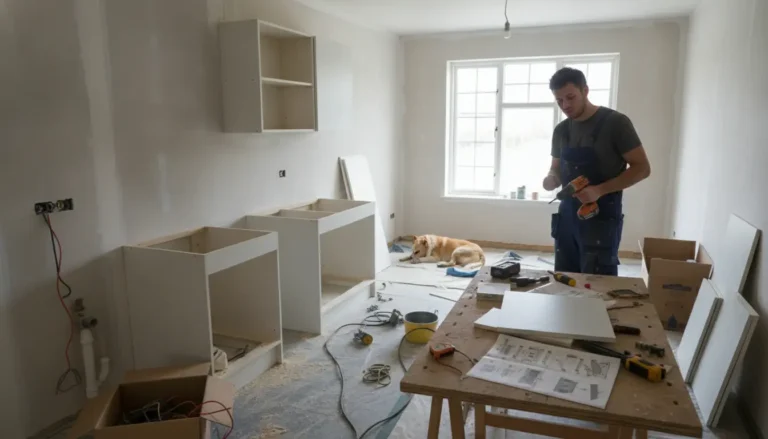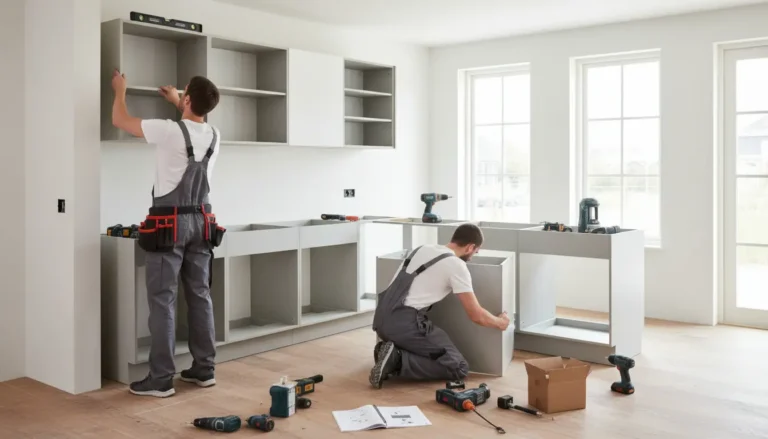
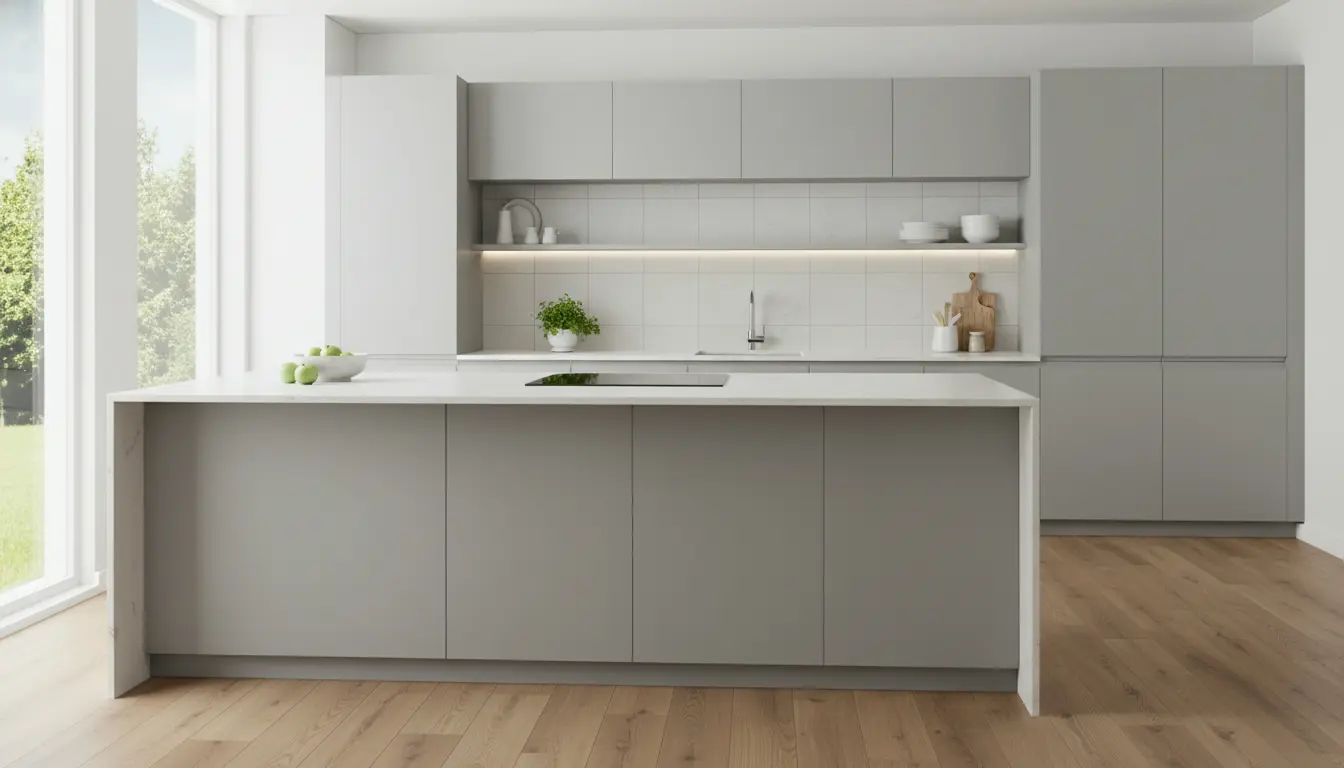
Kitchen cabinets MDF give homeowners a smart way to achieve a smooth, premium kitchen look without paying solid wood prices. This page helps you decide whether MDF cabinets fit your space, budget, and design goals. You will learn where MDF performs best, how it compares with other cabinet materials, and what to check before buying. With practical guidance and clear examples, you can choose cabinets that look refined, function well, and support long-term value.
Why MDF Cabinets Make Sense for Modern Kitchens
MDF, short for medium density fiberboard, is engineered from fine wood fibers bonded into a dense, stable panel. For kitchen cabinetry, that consistency is a major advantage. Unlike natural wood, MDF has no knots, heavy grain, or uneven texture that can show through paint. The result is a clean, polished surface that works beautifully in modern, shaker, handleless, and painted kitchen designs.
For many homeowners, the main attraction is value. Kitchen cabinets MDF can create the look of a tailored, designer kitchen at a more accessible price point. If you want smooth white doors, deep green panels, dramatic black cabinets, or a soft grey finish, MDF is one of the most practical materials to consider. It allows you to prioritize style, storage, and layout without letting the cabinet material consume your entire renovation budget.
MDF is especially useful when the goal is a painted finish rather than a visible wood grain. A painted solid wood door can expand, contract, and sometimes reveal hairline cracks at joints. MDF is more uniform, which helps painted doors remain sleek and consistent when properly sealed and installed.
Key Benefits You Can See and Feel
A smooth finish for painted designs
If your dream kitchen includes crisp cabinet fronts in white, beige, navy, sage, charcoal, or matte black, MDF is an excellent choice. Its surface accepts primer and paint evenly, helping create a refined finish with fewer visible imperfections. This is why many cabinet makers use MDF for painted doors, even in higher-end kitchen projects.
Better design flexibility
MDF can be shaped, routed, and profiled with precision. That makes it suitable for shaker doors, recessed panels, slab fronts, decorative edges, and custom detailing. Whether you prefer a minimalist apartment kitchen or a warm family kitchen with classic lines, MDF supports a wide range of styles.
Strong value for budget-conscious renovations
Cabinetry often represents a large part of a kitchen budget. Choosing MDF doors or panels can free up funds for worktops, lighting, pull-out storage, better hinges, or a more efficient layout. If you are comparing options, our guide to affordable kitchen cabinets can help you plan a balanced investment.
Stable performance in everyday use
When sealed correctly, MDF performs well in typical kitchen conditions. It is less prone to movement than solid wood, which helps maintain a smooth painted appearance. For busy households, that means cabinet doors can remain visually consistent through daily cooking, cleaning, and family use.
What Makes Our Approach Different
Choosing cabinets is not only about material. It is about matching that material to your lifestyle, room conditions, and design expectations. A young family with frequent spills, a compact apartment owner, and a homeowner planning a full luxury renovation all need different recommendations. The right MDF cabinet plan considers how you cook, how much storage you need, where moisture is likely to occur, and what finish will still look good years from now.
A thoughtful cabinet selection should include:
-
Moisture-aware placement: MDF should be protected near sinks, dishwashers, and high-steam areas with proper sealing and careful installation.
-
Quality hardware: Good hinges, drawer runners, and soft-close systems reduce stress on cabinet doors and extend daily usability.
-
Durable finishing: Primer, paint, lacquer, or laminate should be selected for kitchen conditions, not just showroom appeal.
-
Smart layout planning: Cabinet material matters, but storage zones, drawer depth, corner access, and appliance clearances matter just as much.
-
Clear budget priorities: Spend where performance matters most and save where MDF can deliver the same visual impact for less.
If you are still exploring styles and layouts, you can compare broader options in our kitchen cabinets overview. It is a useful starting point before narrowing your choice to MDF, wood, plywood, or hybrid cabinet construction.
Real-Life Scenarios Where MDF Works Well
The painted family kitchen
Imagine a family kitchen with warm white shaker doors, a quartz-style worktop, and plenty of drawer storage. MDF doors make sense here because they deliver a smooth painted finish and a classic appearance without the higher cost of solid painted hardwood. With quality hinges and sealed edges, the kitchen feels substantial and polished while staying within a practical budget.
The modern apartment upgrade
For a compact apartment, slab-front Kitchen cabinets MDF can create a clean, spacious feel. A handleless design in matte grey or soft beige keeps the room calm and uncluttered. Because MDF is well suited to painted or lacquered surfaces, it can help a small kitchen look more architectural and intentional.
The style-first renovation
Some homeowners care most about a specific color palette. Deep green cabinets with brass details, black cabinets with light stone surfaces, or blue cabinets with oak accents can all be achieved effectively with MDF. When the finish is the statement, MDF gives you design freedom without requiring premium natural timber.
How MDF Compares with Other Cabinet Materials
MDF versus solid wood
Solid wood is valued for its natural grain, strength, and long-term refinishing potential. It can be an excellent choice when you want a visible wood texture or a traditional premium material. However, solid wood can move with humidity, and painted finishes may show joint lines over time. MDF is usually more affordable and smoother for painted designs, though it is not as strong against heavy impact or deep damage.
MDF versus plywood
Plywood is lighter, strong, and generally better at handling moisture. It is often preferred for cabinet boxes in demanding kitchens. MDF, however, offers a smoother surface for painted doors and decorative fronts. Many well-planned kitchens use a combination: plywood or another sturdy core for structural areas, and MDF for painted doors where appearance matters most.
MDF versus particle board
Particle board is usually the lowest-cost option, but it is less dense and more vulnerable to damage. MDF is smoother, denser, and better suited for shaped or painted cabinet fronts. If you want an affordable cabinet but still care about finish quality, MDF is often the stronger choice.
MDF versus laminate finishes
Laminate is a surface finish, not always a core material. It can be applied over different substrates and offers strong resistance to stains and daily cleaning. MDF can work well as a stable base for laminate, but painted MDF and laminate-faced MDF create different looks. Painted MDF feels more custom and seamless, while laminate can be easier to maintain in very busy kitchens.
Addressing the Main Concerns Before You Buy
The biggest concern with MDF is moisture. If raw MDF absorbs water, it can swell. That is why proper sealing, edge protection, and installation quality are essential. In a kitchen, the most vulnerable places are around sinks, dishwashers, kettles, coffee stations, and poorly ventilated corners. The solution is not to avoid MDF altogether, but to use it intelligently.
Ask these questions before choosing your cabinets:
-
Are the cabinet edges sealed properly?
-
Is the paint, lacquer, or coating suitable for kitchen use?
-
Will MDF be used for doors, boxes, shelves, or only selected panels?
-
Are moisture-heavy areas protected with the right materials?
-
Does the installer understand how to fit MDF without stressing hinges or screw points?
Another concern is durability. MDF is strong for normal cabinet doors and panels, but it is not ideal for every structural role. Heavy shelves, high-impact zones, and areas that must hold screws repeatedly may benefit from plywood or reinforced construction. A good cabinet plan uses each material where it performs best.
What Customers Often Appreciate
Homeowners who choose MDF cabinets often mention the same benefits after installation: the finish looks smooth, the color feels consistent, and the kitchen appears more expensive than expected. Many are surprised by how tailored painted MDF can look when paired with well-chosen handles, worktops, lighting, and splashbacks.
Designers and cabinet specialists also value MDF because it behaves predictably during finishing. That reliability helps achieve consistent door profiles, crisp paint coverage, and a balanced look across the entire kitchen. For homeowners, this translates into confidence: you know the selected color and style can be executed cleanly.
If your priority is a custom look, explore the possibilities with custom kitchen cabinets. MDF can often support bespoke dimensions, special profiles, and coordinated panels while keeping the overall project more cost-efficient.
How to Get the Best Result from MDF Cabinets
To make Kitchen cabinets MDF last and look their best, focus on specification and care. Choose a trusted supplier, inspect the finish quality, and avoid unfinished edges in moisture-prone areas. Select hardware that supports the weight of the doors and insist on accurate installation. A beautiful cabinet door can still disappoint if it is paired with weak hinges or poor alignment.
For daily maintenance, keep cleaning simple. Use a soft cloth, mild soap, and limited water. Avoid abrasive pads, harsh chemicals, and standing moisture. Wipe spills quickly, especially near edges and joints. If you use a kettle, air fryer, or coffee machine under wall cabinets, make sure steam is directed away from cabinet surfaces.
Before ordering, request samples if possible. Compare painted MDF in natural light, evening light, and next to your worktop sample. A cabinet color can look different throughout the day, and a sample helps you buy with confidence. Also consider how the finish feels to the touch. Matte, satin, and high-gloss surfaces each create a different impression and require different levels of care.
Ready to Choose Smarter Cabinets?
MDF is not the right answer for every kitchen, but it is an excellent solution when you want a smooth painted finish, design flexibility, and strong value. The smartest choice is often a balanced cabinet specification: MDF where it enhances style, and more moisture-resistant materials where structure or exposure demands it.
If you want a kitchen that looks polished, fits your budget, and supports daily life, start by defining your must-haves. Choose your color, door profile, storage needs, and finish level. Then compare material options with a clear eye on performance. With the right guidance, MDF cabinets can help you achieve a kitchen that feels custom, practical, and ready to enjoy.
Kitchen cabinets MDF offer a compelling mix of smooth style, flexible design, and budget-friendly value. They are ideal for painted doors, modern finishes, and homeowners who want a refined look without overspending. With proper sealing, quality hardware, and smart placement, MDF can perform beautifully in everyday kitchens. Ready to create a kitchen that looks custom and works hard? Compare your options and choose cabinets built around your space, style, and budget.
Frequently Asked Questions About Kitchen Cabinets MDF
Are Kitchen cabinets MDF a good choice for everyday kitchens?
Yes, Kitchen cabinets MDF can be a very good choice for everyday kitchens when they are properly sealed, finished, and installed. They work especially well for painted cabinet doors because the surface is smooth and consistent. For areas exposed to frequent moisture, ask whether additional protection or a different cabinet core is recommended.
Do MDF kitchen cabinets last as long as wood cabinets?
MDF cabinets can last for many years with careful use and proper maintenance, but solid wood and plywood usually offer stronger structural durability. MDF is best when used for painted doors and decorative panels. Its lifespan depends on finish quality, moisture exposure, hardware, installation, and how quickly spills are cleaned from vulnerable edges.
Can Kitchen cabinets MDF handle moisture near the sink?
Kitchen cabinets MDF can be used near sinks if the edges and surfaces are properly sealed, but moisture management is essential. Raw or damaged MDF can swell when water penetrates it. Wipe spills quickly, avoid standing water, and consider more moisture-resistant materials for cabinet boxes directly exposed to plumbing or repeated splashing.
Is MDF better than plywood for painted cabinet doors?
For painted cabinet doors, MDF often provides a smoother and more uniform finish than plywood because it has no visible grain or knots. Plywood is generally stronger and more moisture-resistant for structural cabinet parts. Many quality kitchens combine both materials, using MDF for appearance and plywood where strength or moisture resistance matters most.
What colors work best with Kitchen cabinets MDF?
Kitchen cabinets MDF work well with almost any painted color, from classic white and warm beige to black, grey, green, and blue. Because MDF has a smooth surface, it supports crisp modern finishes and detailed shaker profiles. Always view color samples in your own kitchen lighting before making a final decision.
About the Author