Kitchen cabinets walnut give your kitchen instant warmth, depth, and lasting value without sacrificing function. This page helps you choose the right walnut cabinetry for your layout, budget, finish preference, and daily routine. With practical design guidance, material insights, and buying considerations, you can compare real walnut, walnut veneer, and walnut toned alternatives with confidence. Explore how rich grain, durable construction, smart storage, and expert planning turn a good kitchen into a refined space built for everyday living.
Why Walnut Cabinets Make a Kitchen Feel More Valuable
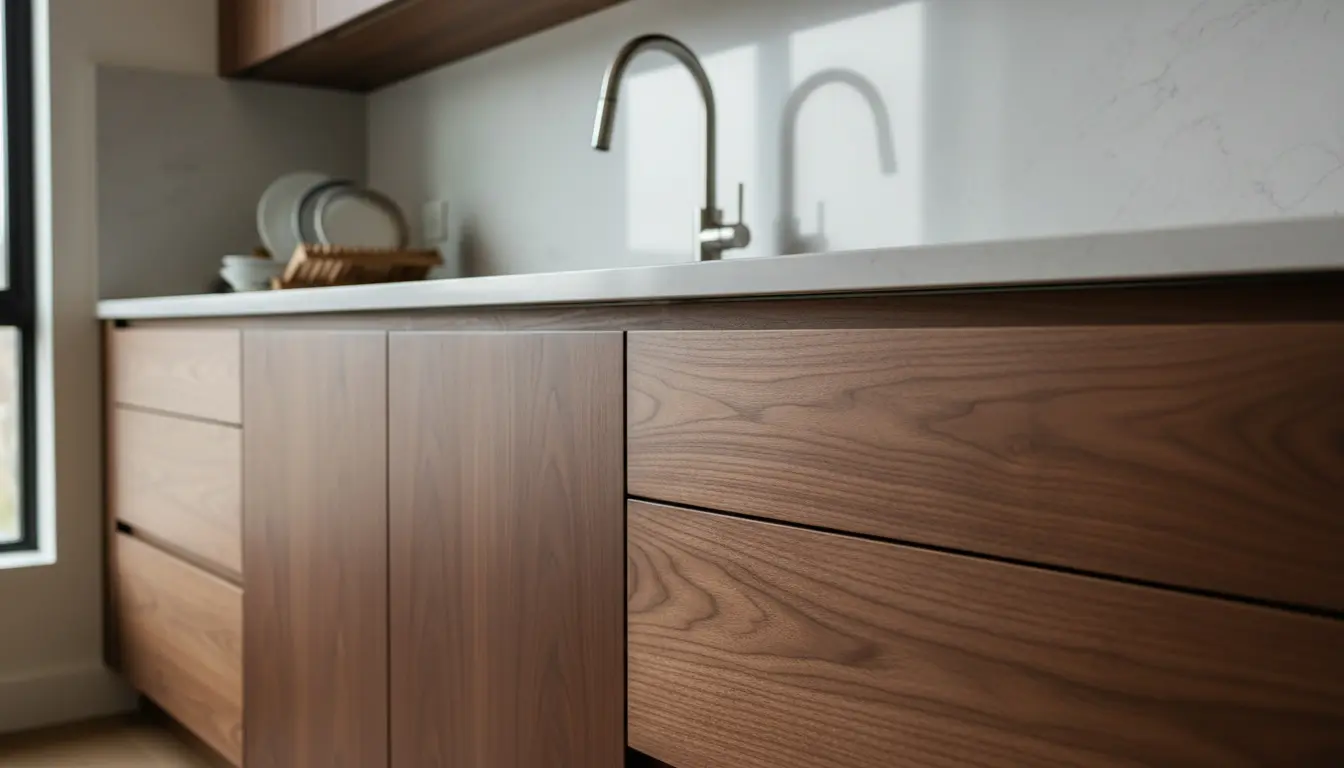
Walnut has a rare ability to make a kitchen feel both modern and timeless. Its warm brown tones, natural movement, and elegant grain bring character that painted cabinets often cannot match. Where flat colors can feel plain, walnut creates visual depth. It looks considered, architectural, and inviting, which is why many homeowners choose it when they want a kitchen that feels finished rather than simply installed.
The biggest advantage is balance. Walnut works in compact apartments, open family kitchens, luxury remodels, and calm minimalist interiors. It can make a white kitchen feel warmer, soften black countertops, and add richness next to stone, concrete, brass, or stainless steel. If you want cabinetry that feels premium without shouting for attention, walnut is one of the strongest choices.
Natural Beauty With Practical Everyday Benefits
Kitchen cabinets are touched, opened, cleaned, and used every day. Walnut is not only chosen for appearance. It is a strong hardwood with dependable stability when sourced, built, and finished correctly. A professional grade topcoat protects the surface from common kitchen wear, while the natural grain helps disguise light marks better than many glossy painted finishes.
- Warm visual character: Walnut adds natural richness without making the room feel heavy.
- Design flexibility: It pairs well with white, cream, grey, black, green, stone, and metal finishes.
- Long term appeal: Walnut avoids short lived trends because real wood has enduring design value.
- Premium impression: Buyers often associate walnut cabinetry with quality, craftsmanship, and thoughtful renovation.
- Comfortable atmosphere: The medium brown tone makes kitchens feel welcoming rather than sterile.
Real Walnut, Walnut Veneer, or Walnut Look Cabinets
Not every walnut kitchen is made the same way. Understanding the difference helps you avoid paying for the wrong solution. Solid walnut components offer exceptional authenticity, but they are usually the most expensive route. Walnut veneer on a stable core can deliver a refined, consistent look with excellent durability and better control over movement. Walnut toned cabinets use another wood or engineered surface finished to resemble walnut, often at a more accessible price.
When real walnut is the right choice
Choose real walnut if you love natural variation. Some doors may show flowing grain, others may be straighter, lighter, darker, or slightly more dramatic. That variation is not a flaw. It is part of the material. Real walnut is ideal for homeowners who want cabinetry that feels organic, architectural, and unique from one door to the next.
When walnut veneer makes sense
Walnut veneer is a smart option for sleek modern kitchens, large flat doors, book matched designs, and projects where visual consistency matters. Because the veneer is applied to a stable core, it can perform very well across broad panels. It is often used in luxury cabinetry because it allows beautiful grain selection and clean contemporary lines.
When walnut toned cabinetry is enough
If your goal is a warm brown color rather than authentic walnut grain, a walnut toned finish may be the better investment. Maple, birch, oak, or engineered doors can be finished in a walnut inspired tone. This can reduce cost while still giving the kitchen a warm, upscale feel. The key is reviewing a finished sample door before approving the order.
Finishes That Bring Out the Best in Walnut
The finish changes everything. A clear professional coating can deepen walnut into a chocolate brown tone, while lighter water based finishes can preserve a softer, more natural appearance. If you prefer a rich traditional look, ask for samples that show a clear finish designed to enhance depth. If you prefer a calm modern look, compare lighter finishes that keep the grain more muted.
Avoid choosing from a tiny sample chip alone. Walnut can vary from board to board, and a small sample may not show the full movement of the grain. A full size sample door gives you a better sense of color, sheen, texture, and how the cabinetry will look under your actual lighting.
- Collect inspiration images that show the tone you want.
- Decide whether you want bold grain or a more consistent appearance.
- Ask for a real sample door in the selected finish.
- View the sample in daylight and evening light.
- Approve the final finish only when it matches your countertop, floor, and wall color.
Design Ideas That Convert Inspiration Into a Real Kitchen
A walnut kitchen can be styled in many ways. For a modern family home, use flat panel walnut cabinets with a pale quartz countertop, integrated handles, and warm under cabinet lighting. The result feels clean, but not cold. For a classic remodel, pair walnut lower cabinets with painted upper cabinets, marble inspired surfaces, and simple hardware. This creates contrast while keeping the room bright.
In a small kitchen, walnut can still work beautifully. Use walnut on base cabinets and keep upper cabinets light, or choose open shelving to reduce visual weight. In a large open plan space, a walnut island can become the anchor of the room while surrounding cabinets remain white, cream, or soft grey. This is especially effective when the island faces the living area and needs to look like furniture as well as storage.
If you are still comparing layouts, browse broader kitchen cabinets design ideas before deciding on door style, finish, and hardware. Good cabinetry is not only about material. It is about how the room supports cooking, serving, cleaning, gathering, and storage.
Storage Features That Make Walnut Cabinets More Functional
Beautiful cabinetry should also make daily life easier. Walnut doors can hide highly practical interiors, from pull out trays to deep drawers and corner solutions. Instead of designing around appearance only, start with the way you use your kitchen. A coffee station, baking drawer, spice pull out, tray divider, hidden bin, and pantry cabinet can make the kitchen feel more organized from the first week.
- Use wide drawers for pans, plates, and mixing bowls.
- Add vertical dividers for trays, cutting boards, and oven racks.
- Choose pull out shelves for deep base cabinets.
- Place waste and recycling near the sink and dishwasher.
- Include interior lighting in tall pantry or appliance cabinets.
For homeowners who want natural timber but are still exploring species, wood kitchen cabinets can help you compare walnut with other warm wood options. This is useful when budget, grain, maintenance, and color consistency are all part of the decision.
How Walnut Compares With Popular Alternatives
Walnut is often compared with oak, painted cabinets, and laminate finishes. Each has a place. Oak usually has a stronger, more open grain and can feel casual or rustic depending on the cut and finish. Painted cabinets offer color control, but chips may be more visible over time. Laminate can be practical and cost conscious, though it may not deliver the same natural depth as real wood.
Walnut stands out when you want warmth, prestige, and a refined natural pattern. It is especially strong in kitchens where the cabinetry is a main design feature. If your room already has busy flooring, heavy stone, or bold tile, a quieter walnut selection may be best. If the room is simple and minimal, a more expressive walnut grain can become the highlight.
What Homeowners Notice After Installation
People often choose walnut for beauty, but they appreciate it most in everyday moments. Morning light catches the grain on the island. Guests comment on the warmth of the room. The kitchen feels less like a utility area and more like part of the home. Designers also value walnut because it can connect other elements, such as hardwood flooring, brass lighting, stone worktops, and soft neutral walls.
Another common reaction is that walnut reduces the need for excessive decoration. The cabinetry itself provides texture and interest. That means you can keep the rest of the kitchen simple and still achieve a high end result. For homeowners planning resale, this matters. A refined walnut kitchen can communicate quality quickly because the material is visible, tactile, and memorable.
Budgeting for a Walnut Cabinet Project
Walnut is a premium material, so it should be planned carefully. The final investment depends on cabinet construction, door style, finish quality, hardware, accessories, layout complexity, and whether the project is standard, semi custom, or fully custom. Real walnut and book matched veneer usually cost more than walnut toned alternatives, but they also deliver a more authentic result.
Before requesting quotes, define your priorities. If the island is the focal point, you might invest in walnut there and choose painted perimeter cabinets. If you want every cabinet in walnut, simplify the door style or hardware to control the total. For detailed planning, compare cabinet pricing factors through kitchen cabinets price guidance before making a final decision.
How to Choose With Confidence
The best walnut kitchens are planned, not guessed. Start with your lifestyle, then select the material. A busy household with children may prefer a satin finish, durable hardware, and easy access drawers. A design focused renovation may prioritize continuous grain, integrated pulls, and a waterfall island. A compact city kitchen may use walnut as an accent to avoid overwhelming the room.
Ask suppliers clear questions before you commit. What parts are solid walnut, veneer, or walnut toned? How is the finish protected? Can you approve a full size door sample? How will grain direction be handled? What hardware is included? What warranty applies to the finish and cabinet construction? The answers reveal whether you are buying a pretty surface or a complete cabinetry solution.
Ready to Create a Warmer, More Refined Kitchen?
If you want a kitchen that feels elegant, functional, and personal, walnut cabinetry is a powerful choice. It brings natural beauty, premium character, and strong design flexibility to everyday living. Compare samples, plan your storage, and choose a supplier who can explain materials clearly. When you are ready, request a tailored cabinet plan and turn your walnut kitchen idea into a space you will enjoy every day.
Walnut kitchen cabinets combine warmth, durability, and unmistakable character. Whether you choose real walnut, walnut veneer, or a walnut toned finish, the right design can make your kitchen feel more refined, practical, and valuable. Focus on samples, finish quality, layout, and storage before you buy. Ready to move from inspiration to decision? Start planning your walnut cabinet project today and create a kitchen that feels built for you.
Frequently Asked Questions
Are Kitchen cabinets walnut a good choice for busy family kitchens?
Yes, Kitchen cabinets walnut can work very well in a busy family kitchen when the construction and finish are high quality. Walnut is a durable hardwood, and a professional topcoat helps protect the surface from daily use. Choose practical interiors, soft close hardware, and a satin finish to balance beauty with easy maintenance.
Do walnut cabinets cost more than other kitchen cabinet options?
Walnut is usually more expensive than many painted, laminate, or common wood cabinet options because it is a premium hardwood with sought after grain and color. Costs vary by construction, finish, and customization. If budget is a concern, consider walnut veneer or walnut toned cabinetry for a similar warm look at a lower investment.
Will Kitchen cabinets walnut become too dark for a small room?
Kitchen cabinets walnut do not have to make a small room feel dark. Use walnut on lower cabinets, an island, or accent areas, then balance it with light walls, pale countertops, reflective backsplashes, and strong lighting. This gives you the warmth of walnut while keeping the kitchen open, bright, and comfortable.
What countertop colors pair best with walnut kitchen cabinets?
Walnut pairs beautifully with white, cream, soft grey, black, and natural stone inspired countertops. Light surfaces create contrast and keep the room fresh, while darker counters produce a dramatic luxury effect. For a balanced result, compare cabinet samples directly beside your countertop sample under the same lighting used in your kitchen.
How do I know if I should choose real walnut or a walnut look?
Choose real walnut if you value natural grain variation, authenticity, and a premium material story. Choose a walnut look if your main goal is warm brown color, tighter consistency, or a more controlled budget. The safest decision is to review full size sample doors before confirming your cabinet order.
About the Author