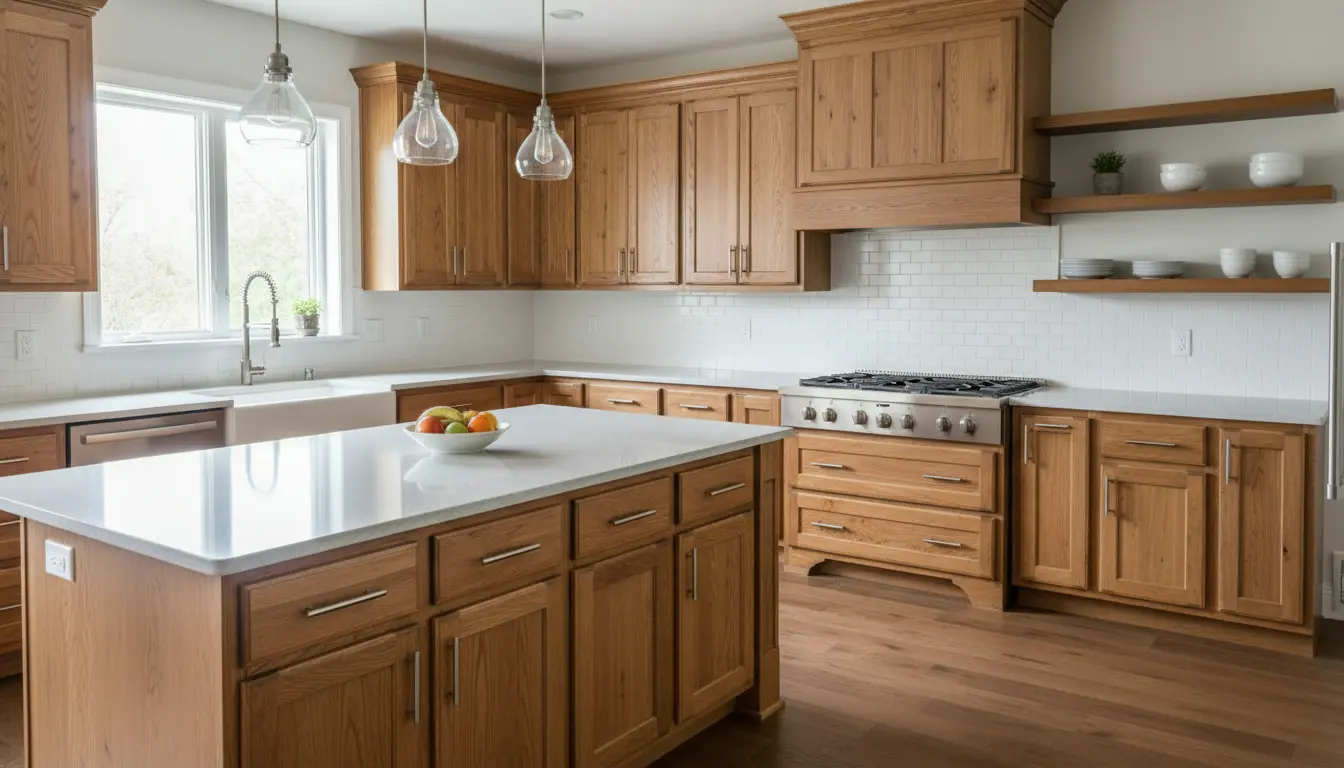
Kitchen cabinets oak solutions give you a warm, durable, and high-value way to upgrade your kitchen without sacrificing everyday practicality. This page helps you choose oak cabinets with confidence by explaining styles, finishes, storage options, maintenance, and buying considerations in clear language. With a focus on long-lasting quality, natural character, and flexible design, you can compare your options and move from inspiration to purchase with less doubt and more certainty.
Why Oak Cabinets Remain a Smart Kitchen Choice
Oak has earned its place in kitchens because it combines strength, beauty, and versatility. Unlike trend-led materials that can quickly feel dated, oak has a recognizable grain and a warm presence that works in both classic and modern interiors. It can make a busy family kitchen feel grounded, a compact apartment kitchen feel richer, and an open-plan space feel more inviting.
For buyers who want cabinets that look substantial and perform well, oak offers a dependable balance. It is a hardwood, which means it is naturally suited to daily use. Doors, drawers, and frames are exposed to repeated opening, closing, cleaning, and occasional impact. Oak handles that rhythm better than many softer materials, especially when paired with quality hardware and a protective finish.
Natural Character That Elevates the Entire Room
One of the strongest reasons to choose oak is its visible grain. The pattern adds depth without needing heavy decoration. In a minimalist kitchen, oak can prevent the space from feeling cold. In a traditional kitchen, it reinforces craftsmanship and comfort. In a transitional kitchen, it bridges clean lines with natural warmth.
Oak also works with many color schemes. Pair it with white walls for a bright, timeless look, with black accents for contrast, or with sage green and stone surfaces for a calm, design-led finish. If you are comparing broader material options, our guide to wood kitchen cabinets can help you understand how oak fits among other natural choices.
Practical style scenarios
-
Family kitchen: Choose medium-toned oak cabinets with durable handles, easy-clean worktops, and deep drawers for cookware, snacks, and school-day essentials.
-
Small kitchen: Use lighter oak, simple door profiles, and vertical storage to keep the room open while adding warmth and texture.
-
Modern renovation: Combine flat-panel or slim Shaker oak fronts with matte black hardware, integrated lighting, and a clean backsplash.
-
Classic home: Select framed oak doors, subtle detailing, and warm neutral paint for a kitchen that feels established rather than overdesigned.
Built for Everyday Durability
Kitchen cabinets are not just visual features. They are working parts of the home. Oak is well suited to this role because it is dense, stable, and naturally tough. When finished correctly, it resists the typical wear caused by cooking routines, cleaning, moisture changes, and busy traffic through the kitchen.
Durability also affects long-term value. A cabinet that keeps its structure and appearance for years can reduce the need for premature replacement. That matters whether you are renovating a forever home, improving a rental property, or preparing a house for resale. Oak communicates quality to future buyers because it feels solid and looks authentic.
Features that increase daily performance
-
Soft-close hinges and runners: These reduce impact, protect the cabinet structure, and create a quieter kitchen experience.
-
Sealed finishes: A good finish helps protect the wood from splashes, stains, and frequent wiping.
-
Adjustable shelving: Flexible interiors let you adapt storage as your cookware, appliances, or pantry habits change.
-
Well-planned drawer layouts: Deep drawers improve access and reduce clutter in lower cabinets.
Oak Finishes for Different Design Goals
The finish you choose will influence the mood of the kitchen as much as the wood itself. Natural oak highlights grain and gives the room an organic feel. White oak often appears lighter and more refined, making it popular for contemporary spaces. Red oak can bring more warmth and visible character. Stained oak allows you to move darker, softer, or more neutral depending on your design direction.
If your goal is a bright, calm kitchen, light oak with pale stone counters can be very effective. If you want drama, deeper stained oak with black or bronze hardware creates a confident look. If you prefer a balanced middle ground, medium oak with cream, taupe, or grey accents gives warmth without overwhelming the space.
What Makes a Better Buying Experience
A strong cabinet purchase is about more than choosing a door style. The best experience gives you clarity before you commit. You should be able to understand dimensions, materials, finish options, delivery expectations, and installation requirements. Good product information reduces mistakes and helps you avoid costly changes later.
Transparent pricing is also important. Oak cabinets can vary in cost depending on construction, finish, customization, and hardware. Before comparing offers, decide what matters most: solid construction, premium finish, faster availability, custom sizing, or a lower upfront price. For a deeper look at budget planning, review our guide to kitchen cabinet pricing.
Questions to ask before ordering
-
Are the cabinets made from solid oak, oak veneer, or a combination of materials?
-
What type of finish protects the surface from moisture and stains?
-
Are soft-close hinges, drawer runners, and interior fittings included?
-
Can the layout support appliances, plumbing, corners, and pantry storage?
-
Is the style flexible enough to still look good if you change wall colors or worktops later?
Confidence from Real-World Use
Oak cabinets are widely chosen because they solve practical problems while improving the appearance of the kitchen. Homeowners appreciate that oak can hide minor everyday marks better than very flat painted surfaces. Designers often choose it because it introduces texture without forcing a rustic look. Installers value accurate planning because oak cabinets can deliver a polished result when the measurements and layout are correct.
Common feedback from kitchen buyers centers on warmth, sturdiness, and timeless appeal. People often choose oak after comparing painted cabinets, laminate finishes, and other woods because oak feels less disposable. It offers a natural surface that can suit a changing home, from young-family routines to quieter years when the kitchen becomes a hosting space.
Oak Compared with Other Cabinet Materials
When comparing oak with maple, cherry, painted MDF, or laminate, consider how each material performs in your actual home. Maple is smooth and subtle, which can be ideal for a cleaner look, but it does not always offer the same pronounced grain. Cherry has rich color and elegance, yet it can darken over time and may suit more traditional spaces. Painted MDF can be sleek and cost-effective, but chips and scratches may be more visible depending on finish quality.
Oak stands out for buyers who want authentic wood character, strong structure, and broad design flexibility. It can be traditional, farmhouse, Scandinavian, transitional, or modern depending on profile and finish. This makes it a lower-risk design decision if you want beauty today and flexibility tomorrow.
How Oak Cabinets Work in Small and Large Kitchens
In a small kitchen, the key is to prevent the wood from feeling heavy. Choose lighter oak tones, simple fronts, and clean hardware. Add under-cabinet lighting to brighten work areas and use tall storage to draw the eye upward. Glass, pale walls, and reflective surfaces can also help the kitchen feel more spacious.
In a larger kitchen, oak can anchor the room. A full wall of oak cabinetry can create a furniture-like effect, especially when balanced with an island, open shelving, or contrasting painted units. For example, oak base cabinets with light upper cabinets can keep the design airy while still delivering warmth and storage capacity.
Maintenance That Protects Your Investment
Oak cabinets are straightforward to care for when you follow a consistent routine. Wipe spills promptly, use a soft cloth, and avoid harsh abrasive cleaners. A mild cleaner is usually enough for daily marks. Keep steam-heavy appliances positioned carefully so repeated moisture does not concentrate on one door or panel.
Hardware maintenance also matters. Tighten handles when needed, keep hinges adjusted, and avoid overloading drawers beyond their intended use. These small habits extend the life of the cabinets and preserve the quality feel that made oak appealing in the first place.
Move from Inspiration to Purchase
If you already know you want oak, the next step is to define your layout, finish, and storage priorities. Measure carefully, list the items you need to store, and consider how you cook day to day. A beautiful kitchen should not only photograph well; it should make mornings easier, dinners smoother, and cleaning less frustrating.
Ready to compare options and take the next step? Explore how to buy kitchen cabinets with a clearer plan, then choose oak cabinets that match your space, budget, and long-term style goals.
Oak kitchen cabinets offer the rare combination of natural beauty, lasting durability, design flexibility, and everyday practicality. Whether you prefer a bright modern layout, a warm family kitchen, or a classic remodel, oak gives you a reliable foundation that can adapt over time. Choose the right finish, hardware, and storage plan, and your kitchen becomes more useful and more valuable. Start comparing your oak cabinet options today and move confidently toward a kitchen you will love using.
Frequently Asked Questions
Are Kitchen cabinets oak a good choice for busy families?
Yes, Kitchen cabinets oak are a strong choice for busy families because oak is a durable hardwood that handles repeated use well. With a protective finish, soft-close hardware, and simple cleaning habits, oak cabinets can stand up to cooking, school routines, pets, and daily traffic while keeping a warm, welcoming appearance.
Do oak cabinets only suit traditional kitchens?
No, oak cabinets can look traditional, modern, farmhouse, or transitional depending on the door style and finish. A flat-panel or slim Shaker oak design can feel clean and contemporary, while framed doors and warmer stains create a more classic effect. Kitchen cabinets oak work especially well when paired with thoughtful lighting and balanced colors.
How do I maintain Kitchen cabinets oak over time?
Maintain Kitchen cabinets oak by wiping spills quickly, cleaning with a soft cloth, and avoiding abrasive products that can damage the finish. Keep humidity reasonably stable, especially in very dry or damp climates. Check hinges and handles occasionally, and use gentle cleaners so the grain and protective coating stay attractive for years.
Are oak cabinets more expensive than painted cabinets?
Oak cabinets can cost more than some painted or laminate alternatives, but they often deliver better long-term value through durability and natural character. The final price depends on construction, finish, hardware, sizing, and installation. Kitchen cabinets oak are worth considering when you want a balance of quality, style, and lasting performance.
Can Kitchen cabinets oak increase home resale appeal?
Kitchen cabinets oak can support resale appeal because many buyers recognize oak as a solid, timeless material. A well-designed oak kitchen feels warm, practical, and high quality. To maximize appeal, choose a finish that complements the home, avoid overly dated details, and pair the cabinets with updated worktops, lighting, and hardware.
About the Author