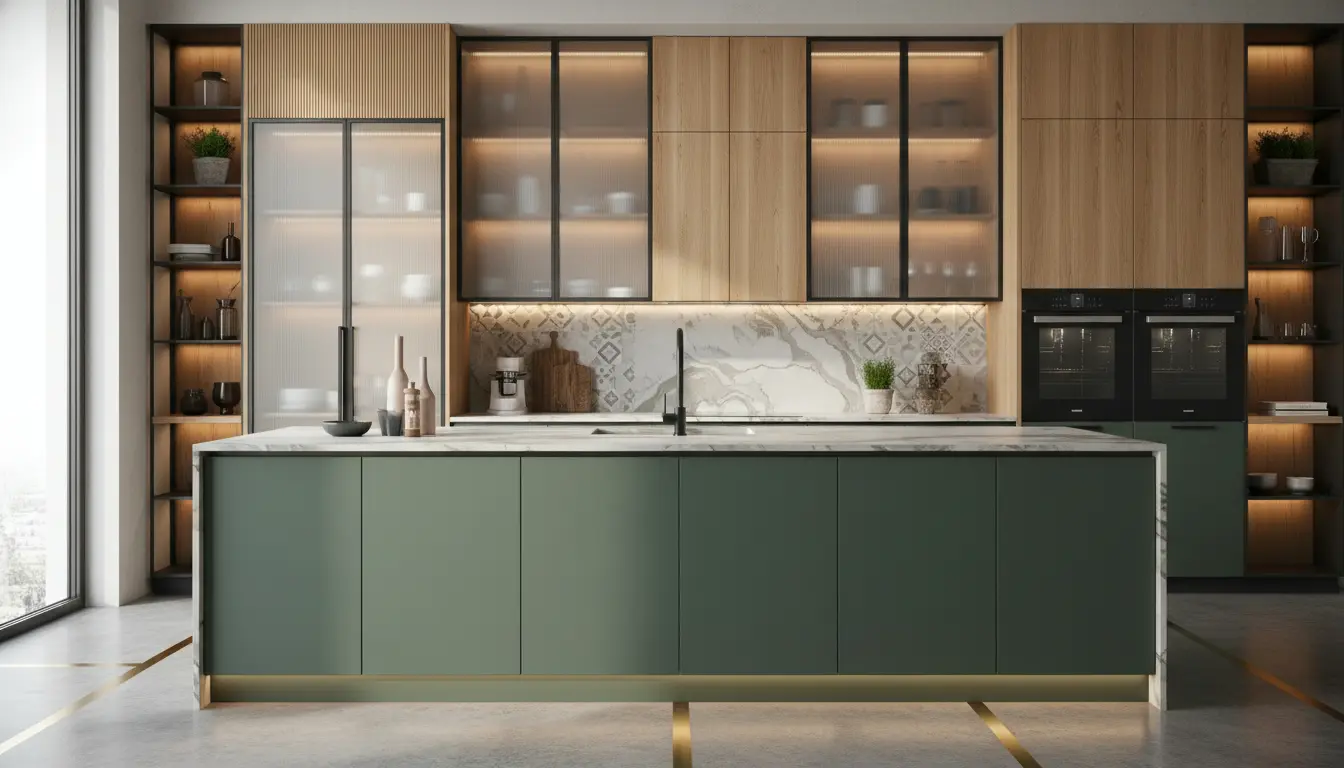
Kitchen cabinets trends 2026 give homeowners a clear path to a kitchen that looks current, functions better, and adds long-term value. This guide translates the strongest design directions into practical choices for colors, materials, layouts, storage, and buying decisions. Based on emerging cabinet, color, and remodeling insights, it helps you avoid short-lived fads and invest in cabinetry that feels warmer, smarter, and easier to live with every day.
Cabinets are becoming the design anchor of the home
In 2026, kitchen cabinets are no longer treated as background storage. They shape the mood of the kitchen, connect open-plan living areas, and influence how efficiently the space works. The strongest cabinet designs combine calm visual appeal with practical performance: durable finishes, softer forms, warmer colors, better organization, and a more furniture-like presence.
The most successful kitchens will not simply look new. They will feel more natural to use. Think of a family kitchen where breakfast items are stored exactly where the morning routine begins, appliances sit behind clean fronts, and the island looks elegant enough to belong in the living room. That is the real shift: cabinetry is planned around life first, then styled with intention.
Warmer colors are replacing cold, flat finishes
White cabinets are not disappearing, but stark white is becoming less dominant. The 2026 palette is warmer, deeper, and more forgiving. Homeowners are choosing shades that create comfort without making the kitchen feel dark or heavy.
Cabinet colors with long-term appeal
- Warm off-white and pale cream: ideal for smaller kitchens or resale-focused projects because they brighten the room without feeling clinical.
- Greige, sand, and khaki: a softer alternative to gray that works beautifully with stone, oak, brass, and matte black hardware.
- Smoky green and muted jade: a nature-led choice that feels calm, current, and surprisingly versatile.
- Midnight blue and indigo: refined options for islands, lower cabinets, pantries, or dramatic full-height storage.
- Espresso, deep brown, and burgundy undertones: polished choices for homeowners who want depth and a premium mood.
If you are unsure where to start, review real palette directions through kitchen cabinet color ideas and compare them against your flooring, wall color, and natural light. A north-facing kitchen may benefit from cream or butter-warm tones, while a bright open kitchen can handle richer greens, blues, or stained wood.
Texture is the new luxury
One of the clearest Kitchen cabinets trends 2026 is the move toward tactile finishes. Perfectly smooth, glossy fronts are giving way to surfaces that invite touch and add visual depth. Wood grain, ribbed panels, brushed finishes, soft-touch laminates, and matte surfaces help a kitchen feel more crafted and less showroom-like.
For example, a slim Shaker door in warm taupe can feel traditional in a cottage setting, yet modern when paired with a slab stone backsplash and minimal hardware. A flat-front oak cabinet can look sleek in an apartment, while fluted wood on an island adds character without overwhelming the room.
Where texture works best
- On an island, where a ribbed or stained finish can become a subtle focal point.
- On tall pantry doors, where vertical texture adds height and rhythm.
- On lower cabinets, balanced with simpler upper cabinets or open shelving.
- Inside drawers, where premium organizers make storage feel intentional.
The key is restraint. Use texture to add depth, not clutter. If every surface competes for attention, the kitchen can feel busy. If one or two cabinet zones carry texture, the space feels custom and considered.
Soft forms make kitchens feel more livable
Rounded edges, curved island ends, softened side panels, and organic transitions are becoming more desirable. This is especially important in open-plan homes where the kitchen is visible from the sofa, dining table, or entrance. Softer cabinet forms reduce the hard, boxy feeling that older kitchens often have.
Imagine a kitchen island with a gently curved end facing the dining area. It creates a more welcoming place to gather, reduces sharp corners in a busy family space, and visually bridges the kitchen with the rest of the room. This detail can be subtle, but it changes how the entire space feels.
Storage is designed from the inside out
Beautiful doors are only half the decision. In 2026, homeowners are paying more attention to what happens behind the fronts. A cabinet plan that looks elegant but fails to support daily routines will quickly become frustrating. Smart storage is one of the highest-value upgrades because it improves how the kitchen works every single day.
Practical storage upgrades worth considering
- Deep drawers: better for pots, pans, plates, and dry goods than traditional lower cupboards.
- Pull-out pantry systems: useful for narrow spaces and busy households that need visibility.
- Appliance garages: ideal for hiding coffee machines, toasters, and small appliances while keeping them accessible.
- Integrated bins and recycling: essential for a cleaner workflow near the sink or prep area.
- Drawer dividers and internal lighting: small details that make premium cabinetry feel truly functional.
Before choosing finishes, map your routines. Where do you unload groceries? Where do you make coffee? Who cooks, and how many people are often in the kitchen at once? The right cabinet plan should reduce steps, remove clutter, and support your habits naturally.
Modern Shaker is evolving, not disappearing
Shaker cabinets remain popular because they balance familiarity and structure. The 2026 version is slimmer, cleaner, and more refined. Instead of heavy traditional profiles, homeowners are choosing narrower frames, softer colors, and updated hardware. This makes Shaker cabinetry suitable for modern apartments, family homes, and relaxed country-inspired kitchens.
A practical scenario: if you love classic style but worry about the kitchen feeling dated, choose a slim Shaker door in warm white, muted green, or pale oak. Pair it with simple brass pulls, quartz or natural-look counters, and a clean backsplash. The result feels timeless but not old-fashioned.
Invisible technology keeps the kitchen calm
Technology is becoming quieter. Integrated appliances, hidden charging points, touch-to-open mechanisms, and layered lighting are all designed to support the user without taking over the design. The best cabinet layouts hide visual noise while keeping functions easy to reach.
This matters because open kitchens must look calm from multiple angles. A wall of handleless tall cabinets can conceal refrigeration, pantry storage, and ovens. Under-cabinet lighting can support food prep during the day and create atmosphere at night. The cabinet design does the hard work while the room stays visually relaxed.
Stained wood is back with a cleaner look
Wood cabinetry is gaining momentum because it brings warmth, grain, and authenticity. Light oak, mid-tone walnut, and soft brown stains are especially useful in open-plan homes because they connect the kitchen to dining furniture, floors, and shelving. The trend is not rustic by default. Modern wood cabinets can look precise, architectural, and highly refined.
For a balanced result, combine stained wood with pale counters, matte hardware, and simple wall colors. If a full wood kitchen feels too strong, use wood for the island or tall storage wall and pair it with warm painted cabinets. You can explore more material-led inspiration through wood kitchen cabinets.
Which cabinet direction fits your project?
Different homes need different solutions. The right trend is the one that improves your layout, suits your budget, and supports long-term use.
- For a compact apartment: choose pale cream, light oak, slab doors, reflective counters, and internal organizers to maximize brightness and usability.
- For a family kitchen: prioritize durable matte finishes, deep drawers, integrated bins, appliance storage, and an island that doubles as a homework or breakfast zone.
- For a luxury renovation: consider stained wood, curved details, stone-look slabs, hidden appliances, and bespoke internal storage.
- For resale value: use warm neutrals, slim Shaker or clean slab fronts, quality hardware, and a layout that feels spacious and easy to maintain.
Cost planning is also important. Premium finishes, custom sizes, and complex storage systems can affect the total investment. To compare budget expectations before you commit, review kitchen cabinet cost guidance and decide where upgraded details will have the greatest everyday impact.
What homeowners are responding to now
Across recent renovation projects and design reports, the same preferences keep appearing: warmer palettes, more wood, better storage, and cabinetry that blends with the rest of the home. Homeowners want kitchens that feel polished but not cold, stylish but not fragile, and current without being risky.
Designers are also seeing more interest in color on perimeter cabinets, not only on islands. That shows growing confidence. Instead of using color as a small accent, many homeowners are ready to choose smoky green, blue, greige, or brown as the main cabinet direction when the lighting and materials support it.
How to choose confidently
Start with the practical decisions before the decorative ones. Measure the room, define your storage needs, understand your appliance plan, and decide how the kitchen connects to adjacent spaces. Then choose a cabinet style that reinforces those decisions.
A simple decision path
- Choose the layout that improves movement and workflow.
- Select cabinet construction and storage features based on daily use.
- Pick a door style that matches the architecture of your home.
- Test colors in natural and artificial light before ordering.
- Match hardware, counters, and backsplash to create one coherent scheme.
If you want a kitchen that sells the home, stay warm, neutral, and durable. If you want a kitchen that expresses personality, use color or texture in one major zone and keep the rest balanced. If you want the best of both, combine warm neutral perimeter cabinets with a stained wood or deep-colored island.
Ready to turn inspiration into a cabinet plan?
The best time to make confident choices is before products are ordered. Gather images, list pain points in your current kitchen, and identify what must improve: storage, light, seating, cleaning, flow, or resale appeal. Then compare cabinet styles, colors, and costs against those goals.
When your cabinetry is planned carefully, the 2026 trends become more than decoration. They become a better daily experience: calmer mornings, cleaner counters, smarter storage, and a kitchen that feels connected to the way you actually live.
Kitchen cabinets in 2026 are warmer, smarter, more tactile, and more personal. From slim Shaker profiles and stained wood to soft matte colors, hidden technology, and inside-out storage planning, the best choices improve both style and daily comfort. Use these trends to create a kitchen that feels current without becoming disposable. Start comparing finishes, layouts, and costs today, then move forward with a cabinet plan built for real life.
Frequently asked questions about Kitchen cabinets trends 2026
Are white kitchen cabinets still a good choice in 2026?
Yes, white cabinets still work, but the strongest Kitchen cabinets trends 2026 favor warmer whites, pale creams, and soft off-whites over stark cool white. These tones feel more relaxed, pair well with oak, brass, and stone, and are easier to blend into open-plan living spaces without looking harsh.
What cabinet colors are most popular for 2026?
The most relevant 2026 cabinet colors include warm neutrals, greige, khaki, smoky green, indigo, deep brown, burgundy undertones, and light stained wood. These colors reflect a shift toward comfort, depth, and natural materials. The best option depends on your lighting, flooring, countertop choice, and how bold you want the kitchen to feel.
Should I choose Shaker or slab cabinets for a modern kitchen?
Both can work beautifully. Slim Shaker cabinets suit homeowners who want a timeless, crafted look with modern proportions. Slab cabinets feel cleaner and more minimal, especially in wood, matte neutrals, or handleless designs. For Kitchen cabinets trends 2026, the winning choice is the one that matches your home architecture and storage needs.
How can I use trends without making my kitchen date quickly?
Use trends in balanced ways. Choose durable cabinet construction, a practical layout, and a timeless base color, then add personality through an island finish, hardware, lighting, or textured panels. Kitchen cabinets trends 2026 are strongest when they support long-term comfort rather than short-lived visual impact.
Are custom cabinets worth it for a 2026 renovation?
Custom cabinets can be worth it if your kitchen has unusual dimensions, complex storage needs, or you want a highly tailored finish. However, semi-custom and well-planned standard cabinets can also deliver excellent results. Compare cost, lead time, materials, and internal storage features before deciding which route offers the best value.
About the Author