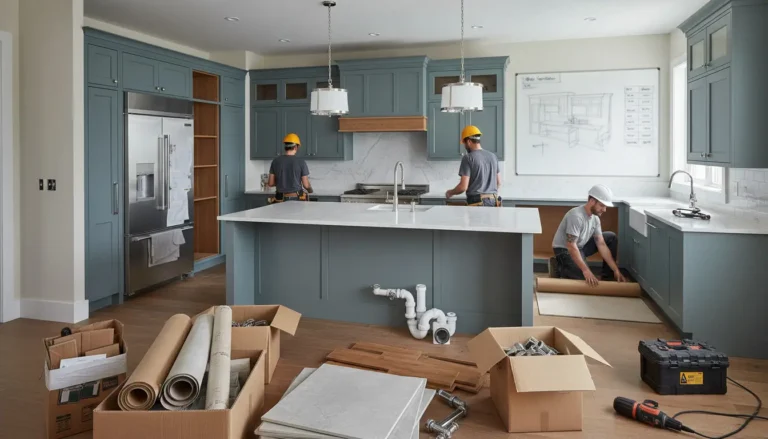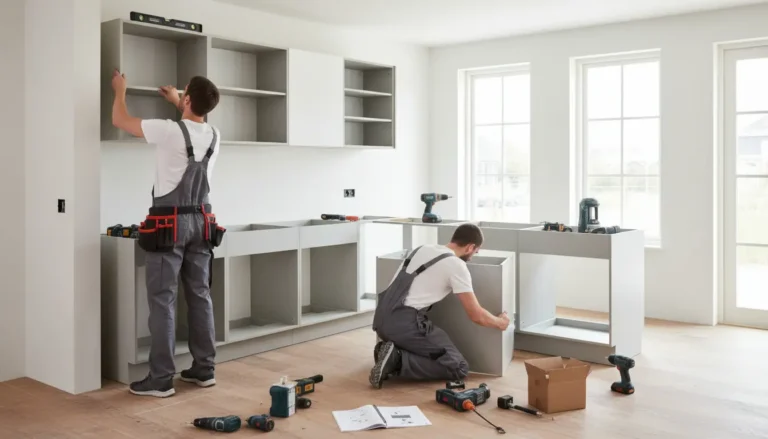
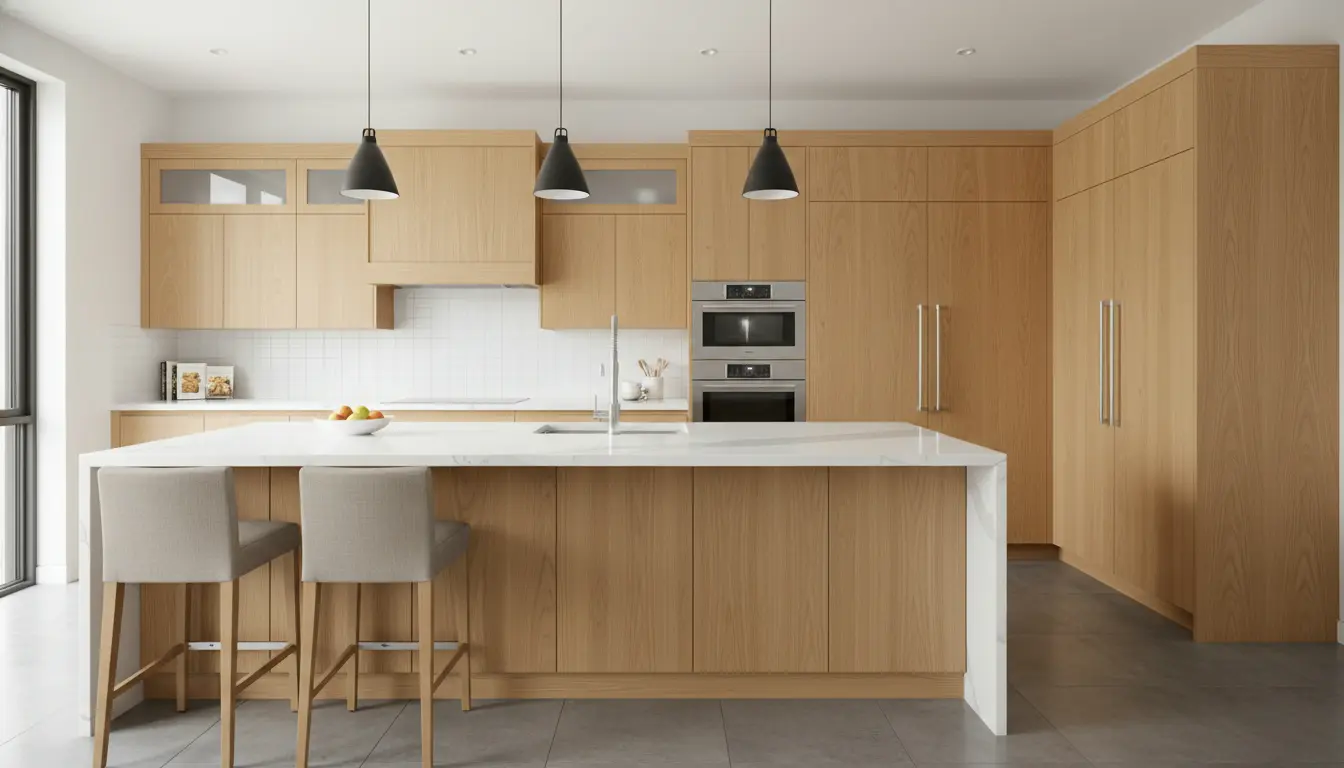
Kitchen cabinets with island layouts solve the biggest kitchen frustrations at once: limited prep space, poor storage, and awkward traffic flow. This page helps you choose an island cabinet plan that looks polished, works hard every day, and supports a confident buying decision. With practical layout guidance, feature ideas, and comparison points, you can move from inspiration to a kitchen design that adds comfort, organization, and lasting value.
Turn Your Kitchen Island Into the Hardest Working Zone
A well planned island is more than a counter in the middle of the room. It can become the place where meals begin, conversations happen, school bags land, and serving platters come together before guests arrive. When kitchen cabinets with island design is handled correctly, the island becomes a practical storage system, a visual focal point, and a daily convenience upgrade.
The key is to match the cabinet layout to the way you actually live. A family that cooks every evening needs drawers for pans, trays, and utensils close to the prep area. A household that entertains often may value a beverage fridge, wine storage, or extra serving space. A smaller home may benefit most from deep base cabinets, pull out storage, and seating that replaces a separate breakfast table.
Why Island Cabinets Are Worth Considering
Island cabinets add usable space where many kitchens need it most. Instead of stretching across the room for tools, you can keep everyday items in the center of the workflow. This improves comfort, speed, and organization without sacrificing style.
-
More prep area: A generous island surface gives you room to chop, mix, plate, and serve without crowding the main countertops.
-
Better storage: Base cabinets, drawers, shelves, and pull outs can hold cookware, pantry items, small appliances, or tableware.
-
Casual seating: Overhangs and bar stools create a relaxed spot for breakfast, homework, coffee, or conversation.
-
Cleaner workflow: Smart placement can connect the sink, refrigerator, range, and prep area into a more natural route.
-
Higher perceived value: A finished island often makes the kitchen feel more premium, complete, and buyer friendly.
Features That Make an Island Feel Custom
The best island cabinets are designed around specific tasks. Rather than choosing a simple block of storage, consider which features would solve real problems in your kitchen.
Storage on More Than One Side
Cabinets on both sides of the island make excellent use of depth. The working side can hold cooking tools, knives, mixing bowls, and trash pull outs. The seating side can store seasonal dishes, cookbooks, board games, or rarely used serving pieces. This approach is especially useful in open plan homes where the island serves both kitchen and living areas.
Integrated Appliances
A microwave tucked into the island keeps upper cabinets clean and preserves a streamlined look. A beverage fridge can reduce traffic near the main refrigerator. A dishwasher beside an island sink can make cleanup faster after baking, meal prep, or entertaining. These choices work best when plumbing, electrical access, and safe clearances are planned early.
Pull Out Convenience
Pull out trash and recycling, tray dividers, spice organizers, and deep drawers make storage easier to use. If you are comparing options, explore dedicated kitchen cabinet storage ideas to see how small upgrades can make a major difference in daily use.
Open Display and End Shelves
Open shelves at the end of an island can soften the cabinet run and add personality. They are ideal for cookbooks, baskets, pottery, or coffee mugs. In a white or neutral kitchen, a bookshelf end can add color and texture without overwhelming the room.
How to Choose the Right Layout
Before choosing door styles or finishes, confirm the island fits the room. Comfort matters as much as appearance. A beautiful island that blocks appliance doors or creates tight walkways will become frustrating quickly.
Start by thinking through common scenarios. If two people often cook together, leave enough room for both to move around open drawers and the dishwasher. If children sit at the island after school, keep the seating side away from the hot cooking zone. If you host family meals, make sure the serving path from range to island to dining area feels natural.
For a narrow kitchen, a compact island with drawers and a slim overhang may be the best choice. For a large kitchen, a longer island can include seating, a sink, a dishwasher, and storage zones. In a very spacious kitchen, two smaller islands may work better than one oversized island because they create separate prep and serving areas.
Finish and Style Ideas That Convert Inspiration Into Action
Your island does not have to match every cabinet in the room. Many of the most appealing kitchens use the island as a design accent. A navy, black, green, espresso, or warm wood island can add contrast against white perimeter cabinets. A waterfall stone top creates a dramatic statement, while shaker doors keep the look timeless and approachable.
If you want a cohesive space, repeat at least one element from the rest of the kitchen. This could be hardware finish, countertop color, door profile, or wood tone. For more planning inspiration, review kitchen cabinet design options before settling on a final island style.
What Homeowners Often Love After Installation
Many homeowners start with the goal of adding counter space, then discover that the storage improvements are just as valuable. Deep drawers reduce clutter. A hidden microwave frees up wall space. A trash pull out near the prep zone keeps cleanup simple. Seating turns the kitchen into a social hub instead of a work only room.
Real life feedback often follows a pattern: people use the island more than expected. It becomes the place for morning coffee, laptop work, baking projects, buffet style dinners, and casual gatherings. That daily usefulness is what makes island cabinetry such a strong investment compared with purely decorative updates.
Island Cabinets Versus Standard Base Cabinets
Standard base cabinets along a wall are essential, but they are limited by the perimeter layout. Island cabinets give you design freedom. They can face the cook, guests, dining space, or living area. They can also include seating and storage in ways that wall cabinets cannot.
-
Choose standard base cabinets when you need a cost effective wall run, appliance support, or traditional storage.
-
Choose island cabinets when you need central prep space, additional seating, stronger room definition, or accessible storage from multiple sides.
-
Choose a combined plan when you want the most balanced kitchen: perimeter cabinets for core storage and an island for workflow, hosting, and convenience.
Budget also matters. Island costs can vary based on cabinet size, countertop material, plumbing, electrical work, and appliance integration. If you are still setting expectations, compare typical kitchen cabinet cost factors before requesting quotes.
Practical Island Planning Examples
The Busy Family Kitchen
A family kitchen may need seating for quick meals, drawers for lunch containers, and a pull out trash cabinet near the prep zone. Add a durable countertop and easy clean cabinet finish, and the island becomes a practical command center for weekdays.
The Entertainer Kitchen
For hosts, the island can include a beverage fridge, wine rack, open display shelves, and a wide countertop for buffet serving. Guests can gather at the seating side while the cook still has a clear prep area.
The Small Kitchen Upgrade
In a compact space, an island should be efficient rather than oversized. Consider shallow cabinets, deep drawers, or an open end shelf. Even a modest island can add valuable storage and a comfortable place for casual dining.
The Minimalist Modern Kitchen
A sleek island with flat panel doors, hidden handles, and integrated appliances can keep the room calm and uncluttered. Choose drawers over doors where possible, because drawers make it easier to see and reach stored items.
Ready to Plan With Confidence
The most successful kitchen cabinets with island projects begin with a clear plan. Measure your space, list your pain points, identify must have features, and decide whether seating, storage, appliances, or visual impact matters most. Then compare cabinet quality, finishes, and installation needs before making a purchase.
If you want a kitchen that feels more organized, more social, and more valuable, an island cabinet layout is one of the smartest upgrades to consider. Start with your daily routines, choose features that remove friction, and move forward with a design that supports the way you cook, gather, and live.
Kitchen cabinets with island designs can add storage, prep space, seating, and a polished focal point in one strategic upgrade. The right plan improves workflow, reduces clutter, and makes the kitchen more inviting for everyday life and entertaining. Choose features that match your routine, compare layout options carefully, and take the next step toward a kitchen island that works beautifully from day one.
Frequently Asked Questions
-
Are kitchen cabinets with island layouts suitable for small kitchens?
Yes, kitchen cabinets with island layouts can work in small kitchens when the island is scaled correctly. A compact island with drawers, shallow storage, or a slim seating overhang can add function without blocking movement. The most important step is checking walkway clearance and appliance access before choosing the cabinet size.
-
Can I build an island from standard stock cabinets?
Many islands can be built from stock base cabinets, especially when you want a budget conscious solution. However, you still need proper fastening, finished side panels, countertop support, and safe clearances. For a more refined result, combine stock cabinets with decorative end panels, matching trim, and storage accessories.
-
What features should I add to kitchen cabinets with island storage?
Popular features include deep drawers, pull out trash and recycling, tray dividers, open end shelves, a microwave cabinet, wine storage, or a beverage fridge. The best choices depend on your habits. If you cook often, prioritize prep tools and waste access. If you entertain, focus on serving and drink storage.
-
Should my island cabinets match the rest of my kitchen?
They can match, but they do not have to. Many homeowners choose a contrasting island color to create a focal point, such as navy, black, green, or warm wood. For balance, repeat another design detail from the kitchen, such as hardware, countertop material, door style, or backsplash tone.
-
How do I know if an island with seating will be comfortable?
Comfort depends on the overhang, stool size, traffic flow, and how the seating side relates to nearby walls or appliances. Plan enough knee space and avoid placing seats where people will block the cooking zone. If the kitchen is tight, fewer seats with better spacing usually feel more useful.
About the Author