Corner kitchen cabinet solutions turn wasted kitchen corners into clean, accessible storage without adding clutter. This page helps you choose a cabinet that fits your layout, protects everyday items, and improves the way your kitchen works. With practical buying guidance, design considerations, and clear comparisons, you can make a confident choice instead of settling for a cabinet that merely fills a gap. Discover how the right corner unit can add order, style, and value to your kitchen.
Make the most of the hardest working corner in your kitchen
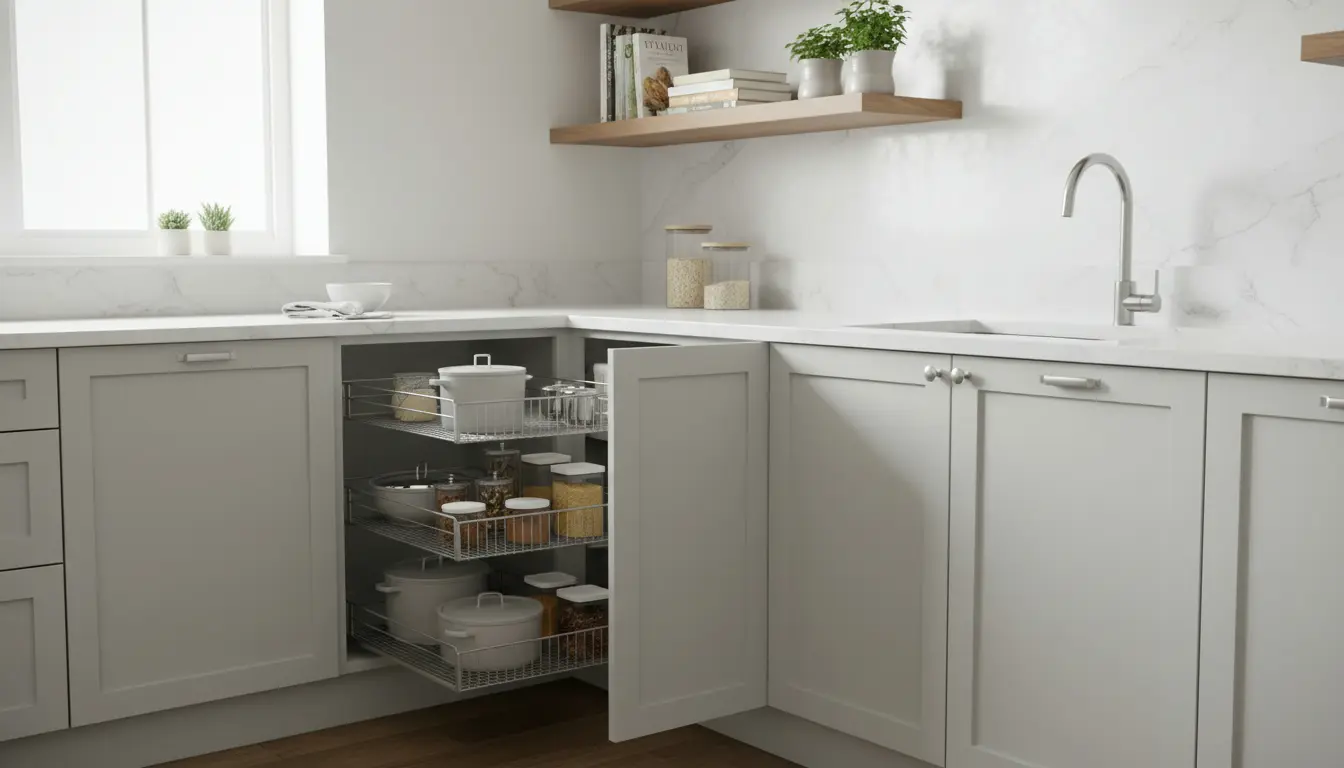
A kitchen corner is often the place where space goes missing. Standard cabinets may leave deep areas that are hard to reach, while open shelving can quickly look busy. A well chosen corner kitchen cabinet solves both problems. It gives you enclosed storage, a cleaner visual line, and a practical place for bowls, plates, pans, small appliances, pantry items, or cleaning supplies.
The best result starts with understanding your daily routine. If you cook often, the corner can hold mixing bowls, cookware, and serving dishes. If your kitchen is compact, it can become the place for items that usually sit on the countertop. If you want a calmer look, closed doors keep everything out of sight while still close at hand.
For a broader overview of cabinet options, you can explore kitchen cabinets and compare materials, colors, and storage layouts before you buy.
Why a corner cabinet changes the way your kitchen feels
A corner unit is not only about adding more storage. It changes the flow of the room. When unused space becomes functional, the kitchen feels larger and easier to manage. You can clear the counter, reduce visual clutter, and keep categories of items together.
- More usable storage: deep corner space becomes a dedicated place for items that do not fit neatly elsewhere.
- Cleaner organization: doors help protect stored items from dust, splashes, and everyday kitchen mess.
- Better room balance: a corner unit can complete the cabinet run and make the kitchen look more intentional.
- Flexible use: shelves can work for tableware, pans, food containers, dry goods, or seasonal items.
- Space saving design: the footprint uses an area that might otherwise remain empty or awkward.
In a small apartment, this can mean replacing a messy utility cart with a neat cabinet. In a family kitchen, it can mean giving children safe access to plastic cups and snack containers. In a rental home, it can add function without changing the entire kitchen design.
Features that make a corner kitchen cabinet worth buying
Closed storage for a calmer kitchen
Open shelves can be attractive, but they also demand constant styling. A cabinet with doors is more forgiving. It hides less decorative items such as pots, packaged food, spare cloths, or cleaning products. This makes it especially useful in open plan homes where the kitchen is visible from the dining or living area.
Practical shelves for daily essentials
Shelving inside the unit should support the way you cook and clean. A simple shelf layout is ideal for stacking bowls, storing plates, or keeping pantry categories together. If you prefer easy access, place frequently used items at the front and occasional items deeper inside. For example, everyday pasta bowls can sit near the door, while holiday serving dishes can be stored further back.
Durable surfaces that are easy to maintain
Kitchens need furniture that handles daily contact. Look for a cabinet surface that wipes clean with a damp cloth and resists everyday marks. This matters in busy homes, cafés, office kitchens, and guest accommodation where storage must stay presentable with minimal effort.
Stable installation and safer use
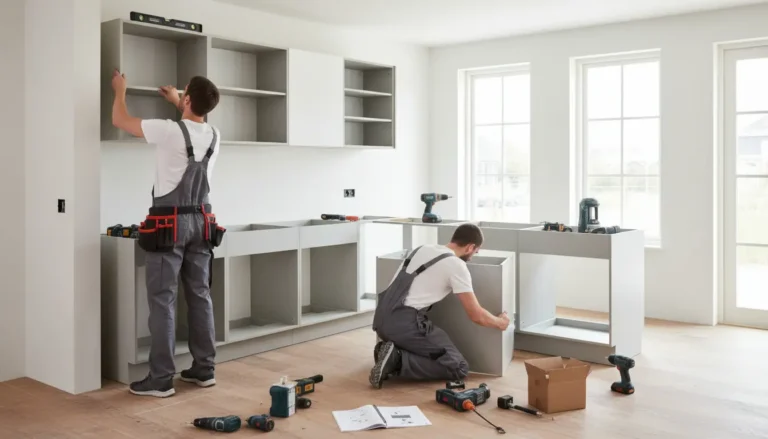
A cabinet should feel solid in use, especially when it stores heavier dishes or cookware. Wall anchoring is strongly recommended where applicable, because it helps reduce the risk of tipping. Always select fixings that suit your wall type and follow the installation instructions carefully. If you are unsure, ask a professional installer for advice.
Choosing the right style for your space
A corner cabinet should feel like part of the kitchen, not like an afterthought. White finishes work well in bright, modern rooms and can make a compact kitchen feel more open. Wood tones add warmth and suit rustic, classic, or Scandinavian inspired interiors. Dark finishes create contrast and can look premium when paired with lighter worktops and walls.
If your kitchen already has a strong color palette, choose a corner cabinet that complements rather than competes. A simple, neutral cabinet is often the safest choice for resale appeal, while a bold finish can become a statement piece in a more design led kitchen.
Need inspiration for different layouts? Visit corner kitchen cabinet ideas to compare solutions for compact, modern, and storage focused kitchens.
Real life scenarios where it makes sense
The compact city kitchen
In a small kitchen, every surface matters. A corner cabinet can hold mugs, dry food, and breakfast items so the countertop stays clear. Instead of keeping cereal boxes and coffee supplies in plain sight, you can create a neat breakfast zone behind closed doors.
The busy family kitchen
Family kitchens often collect duplicate items, school lunch boxes, plastic containers, and serving bowls. A dedicated corner cabinet gives these items a home. When everything has a consistent place, the kitchen is easier to reset after dinner and easier for everyone in the household to use.
The rental or starter home
Not every kitchen needs a full renovation. A smart corner cabinet can improve storage quickly and affordably. It is a practical upgrade when you want a more organized room without replacing all cabinets or committing to a custom remodel.
The hospitality or office kitchen
In shared spaces, simplicity is key. A corner cabinet with doors can store cups, plates, cleaning cloths, and spare supplies while keeping the area tidy for staff, guests, or visitors.
How it compares with other storage options
| Storage option | Best for | Possible limitation |
|---|---|---|
| Corner kitchen cabinet | Hidden storage, cleaner design, better use of unused corners | Needs accurate measuring and careful placement |
| Open corner shelf | Displaying décor, cookbooks, or attractive tableware | Can look cluttered and collects dust faster |
| Standard base cabinet | Straight cabinet runs and simple layouts | May not use corner space efficiently |
| Freestanding trolley | Temporary storage and flexible movement | Often looks less integrated and offers less hidden space |
If your priority is a polished kitchen with concealed storage, the corner kitchen cabinet is usually the stronger choice. If your priority is display, open shelving can work well, but it requires more maintenance. For most homeowners, the best kitchen includes a balance of hidden storage and a few open areas for style.
What to check before you order
Before choosing a cabinet, measure the available corner carefully. Check the width, depth, height, door swing, nearby appliances, skirting boards, and sockets. A cabinet can look perfect online but feel awkward if the door hits a dishwasher handle or if the depth blocks a walking route.
- Measure the corner at the floor and at the wall, because older rooms are not always perfectly square.
- Confirm whether the cabinet includes a worktop or whether one must be ordered separately.
- Check the shelf layout and decide what you plan to store inside.
- Review the material and finish so it matches your kitchen use and cleaning habits.
- Plan for wall anchoring where recommended for safer everyday use.
When budget is important, compare quality, finish, delivery, and installation needs, not just the ticket price. A cheaper cabinet is not always better if it lacks stability or requires extra work to make it usable.
Designed to support confident buying
Visitors often hesitate because they worry about fit, quality, and whether the storage will truly be useful. Those are the right questions to ask. A good corner cabinet should make the kitchen easier to live with from the first week. It should reduce clutter, not create another awkward zone. It should also suit the look of the room so the upgrade feels natural.
That is why it helps to compare your options before committing. Consider finish, dimensions, door style, shelf access, maintenance, and installation. If you are ready to browse practical models, start with buy kitchen cabinets and look for a solution that fits both your space and your storage goals.
Ready to turn unused space into storage that works?
A corner kitchen cabinet is a small change with a noticeable impact. It can make your room look more complete, keep everyday items accessible, and help you maintain a cleaner countertop. Whether you are upgrading a compact apartment, improving a family kitchen, or furnishing a shared space, the right cabinet gives you storage where you need it most.
Choose the style that matches your kitchen, check the measurements carefully, and move forward with a cabinet that makes the corner count. Your kitchen can feel calmer, smarter, and more valuable with one well planned purchase.
A corner kitchen cabinet turns an overlooked area into practical, attractive storage. It helps reduce clutter, protects items behind doors, supports better organization, and can make even a compact kitchen feel more complete. Measure your space, choose a finish that suits your style, and prioritize durable, easy clean materials. Ready to upgrade your kitchen without wasting valuable space? Compare your options now and choose a corner cabinet that works beautifully every day.
Frequently asked questions
Is a corner kitchen cabinet suitable for a small kitchen?
Yes, a corner kitchen cabinet is often ideal for a small kitchen because it uses space that is otherwise difficult to access. It can store plates, pans, dry goods, or cleaning supplies while keeping counters clear. Choose a compact design with doors if you want the room to look calmer and less crowded.
What should I store in a corner kitchen cabinet?
A corner kitchen cabinet works well for items you need regularly but do not want on display. Common choices include bowls, serving dishes, food containers, baking tools, and spare pantry products. Heavier items should be placed on lower shelves when possible, while lighter items can sit higher for safer access.
How do I know if a corner kitchen cabinet will fit?
Measure the corner width, depth, height, and available door swing before ordering. Also check nearby appliances, handles, wall sockets, pipes, and skirting boards. If the room is older, measure at several points because walls and floors may not be perfectly straight. Accurate measuring prevents returns and installation frustration.
Is a freestanding corner kitchen cabinet better than built in storage?
It depends on your goals. A freestanding corner kitchen cabinet is usually faster to add and easier to adapt, making it useful for rentals or budget updates. Built in storage can look more seamless but often costs more and requires planning. For many homes, freestanding storage offers the best balance of value and flexibility.
Does a corner kitchen cabinet need to be fixed to the wall?
Wall fixing is recommended whenever the product instructions advise it, especially if the cabinet is tall, narrow, or used for heavier kitchen items. Anchoring improves stability and helps reduce tipping risk. Use fixings suitable for your wall type, and ask a professional if you are unsure about the correct installation method.
About the Author