Kitchen cabinets wrapping gives you a fast, stylish, and cost conscious way to refresh your kitchen without a disruptive renovation. This page helps you choose the right cabinet wrap, understand the benefits, and decide whether wrapping is the best upgrade for your home, rental, or investment property. With durable finishes, practical guidance, and design focused advice, you can create a cleaner, newer look while keeping your existing cabinet structure in place.
Refresh your kitchen without replacing everything
A tired kitchen does not always need to be removed, rebuilt, and refitted. In many homes, the cabinet boxes are still strong, the layout still works, and the real problem is visual wear. Scratched doors, faded laminate, dated wood tones, or mismatched fronts can make the whole room feel older than it is. Kitchen cabinets wrapping solves that problem by covering visible cabinet surfaces with a durable decorative film, creating the impression of a new kitchen while avoiding the cost and mess of full replacement.
The result can be subtle or dramatic. A dark, heavy kitchen can become bright and clean with a soft white finish. A plain rental kitchen can gain a modern matte surface. A family kitchen with damaged drawer fronts can look consistent again. Because the original cabinets remain in place, the process is often quicker, cleaner, and more flexible than traditional renovation.
If you are still comparing wider upgrade options, you may also find helpful planning ideas in our guide to kitchen cabinets renovation. Wrapping is especially attractive when you want the visual effect of renovation without committing to a complete redesign.
Why wrapping is a smart cabinet upgrade
Cabinet wrapping is popular because it balances appearance, budget, and practicality. Instead of paying for new cabinetry, removal, disposal, and installation, you work with the structure you already have. That makes the upgrade easier to plan and more accessible for homeowners who want a visible improvement without overspending.
Key benefits for everyday kitchens
-
Lower project cost: Wrapping is usually more budget friendly than replacing doors, frames, and cabinet boxes.
-
Less disruption: Your kitchen can remain usable for much of the project, especially when work is planned in sections.
-
Modern design flexibility: Choose from matte, gloss, wood effect, stone effect, solid color, or textured finishes.
-
Durable daily performance: Quality vinyl films are designed to handle cleaning, moisture, and regular contact.
-
Sustainable thinking: Reusing existing cabinets reduces unnecessary waste and keeps usable materials out of disposal streams.
For a young family, wrapping can hide years of fingerprints, small scratches, and worn edges. For a landlord, it can make a rental kitchen look more attractive before new tenants move in. For a homeowner preparing to sell, it can improve first impressions without the lead time and expense of new cabinets.
Designed for real kitchen conditions
A kitchen is not a gentle environment. Cabinet surfaces are exposed to steam, grease, cleaning products, splashes, hands, pans, and changing temperatures. That is why the quality of the film and the preparation of the surface matter. A good wrap should bond smoothly, resist moisture, and remain stable under normal kitchen use.
Before applying film, cabinet fronts should be cleaned thoroughly and made free from grease. Loose laminate, rough edges, and damaged corners should be repaired where possible. Flat doors are generally the easiest surfaces to wrap, while rounded edges, shaker profiles, and detailed panels require more patience and technique. When done carefully, wrapped cabinets can deliver a clean, professional look that feels intentional rather than temporary.
Where wrapping works best
-
Flat cabinet doors and drawer fronts that need a fresh color or finish.
-
Side panels and visible cabinet ends that no longer match the room.
-
Kitchen islands that need a feature finish without replacing the whole unit.
-
Utility areas, pantry cabinets, and appliance surrounds that need visual consistency.
-
Rental kitchens where a reversible or less invasive improvement is preferred.
Wrapping can also be paired with new handles, improved hinges, better lighting, or fresh wall colors. Small details can make the final result feel much more premium. For example, matte black cabinet fronts with brass handles create a boutique look, while pale oak effect film can soften a compact apartment kitchen.
Choose a finish that matches your style
The finish you choose has a major influence on how your kitchen feels. Glossy white can make a small kitchen appear brighter and cleaner. Warm wood effect can add comfort without the cost of real timber doors. Deep green, navy, or charcoal can bring character to a space that currently feels plain. The best choice depends on your lighting, floor color, worktop, splashback, and the mood you want to create.
If you are unsure where to start, explore broader inspiration for kitchen cabinets colors. A wrap lets you test a more personal look without the commitment of ordering a fully new cabinet system. That freedom is especially useful when you want a design upgrade but still need to stay practical.
Practical style scenarios
-
The outdated oak kitchen: Wrap the doors in a soft matte cream or warm grey to keep the room inviting while removing the dated orange tone.
-
The plain white rental kitchen: Use a removable wood effect or stone effect wrap on selected doors or an island panel to add depth without major works.
-
The high traffic family kitchen: Choose a wipeable, wear resistant finish in a forgiving neutral tone that hides minor marks between cleans.
-
The compact city apartment: Select a light gloss or satin finish to reflect light and make the space feel more open.
Wrapping compared with painting, refacing, and replacement
Many homeowners compare wrapping with cabinet painting, refacing, or full replacement. Each option has a place, but the right choice depends on budget, cabinet condition, desired finish, and tolerance for disruption.
Painting can be effective, but it often requires extensive sanding, priming, drying time, and careful application to avoid brush marks or peeling. It can also struggle on slick laminate if preparation is not excellent. Refacing replaces visible parts such as doors and drawer fronts, which can produce a strong result but usually costs more than wrapping. Full replacement gives maximum freedom but also brings the highest cost, longest timeline, and most disruption.
Kitchen cabinets wrapping sits between these choices. It is more transformative than simple cleaning or touch ups, usually faster than painting, and more affordable than refacing or replacing. It is ideal when the cabinet structure is sound but the look no longer fits your taste.
When wrapping is the better choice
-
You like your current layout and only want a visual refresh.
-
Your cabinet boxes are stable, but the fronts look worn or dated.
-
You want a modern finish without ordering new doors.
-
You need a quicker improvement before selling, renting, or moving in.
-
You want to control costs while still achieving a noticeable transformation.
If your cabinets are badly water damaged, warped, unstable, or poorly fitted, replacement may be more sensible. For cost conscious planning, compare your options with affordable kitchen cabinets before deciding. A good decision starts with understanding whether your existing cabinets are worth preserving.
What confident buyers look for
People who are happy with their wrapped kitchens usually pay attention to three things: material quality, preparation, and realistic expectations. A thicker, durable film often feels better, covers more evenly, and resists daily wear more effectively. A clean and smooth base helps the adhesive bond properly. Clear expectations prevent disappointment, especially around complex profiles, visible seams, and textured cabinet doors.
Reviews and project examples often highlight the same points. Buyers value wrap that is easy to trim, sticks securely to smooth surfaces, wipes clean, and can be repositioned carefully during application. They also appreciate finishes that do not fade quickly and surfaces that resist oil and moisture. On the other hand, poor results are often linked to dusty surfaces, rushed application, uneven doors, or choosing a film that is too thin for a dark base.
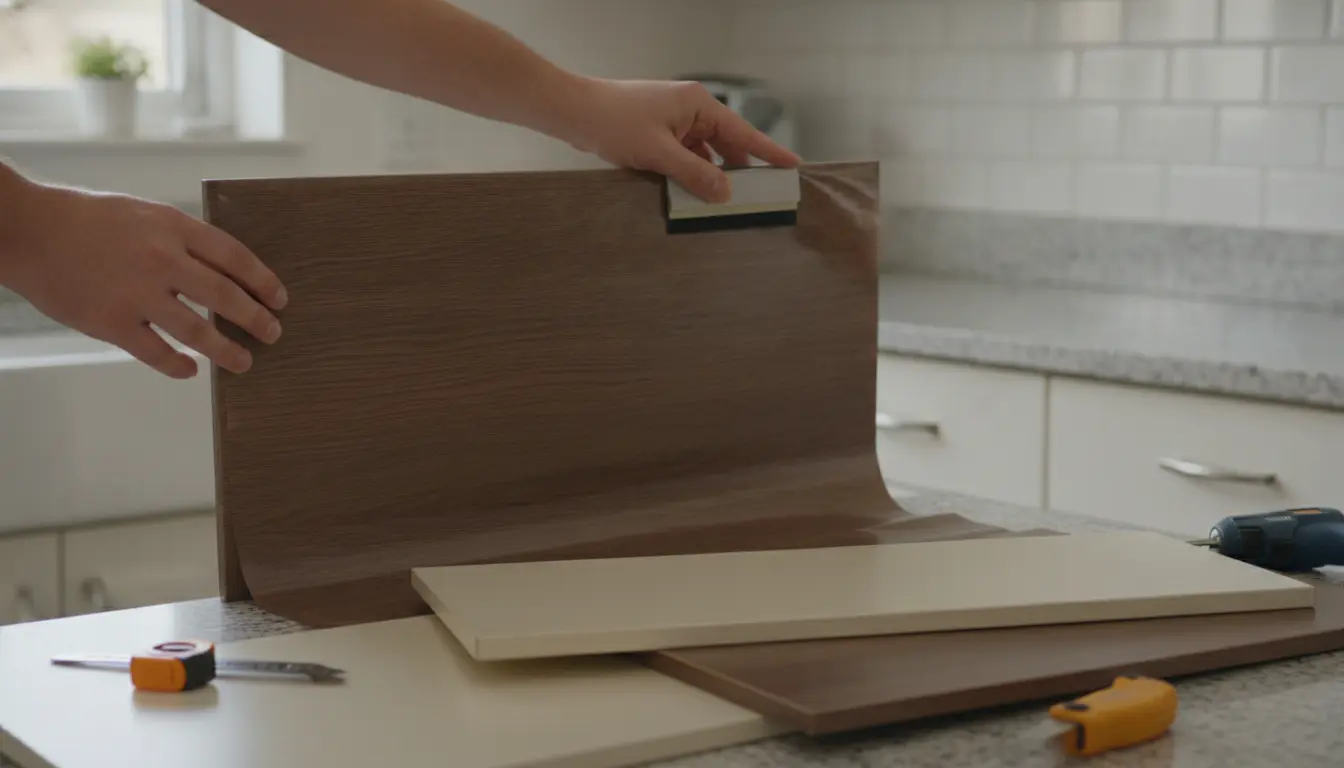
How to prepare for a better result
-
Remove handles and clean every surface with a suitable degreasing cleaner.
-
Let the cabinets dry fully before applying any film.
-
Measure each door carefully and allow extra material around the edges.
-
Use a squeegee to guide air outward and reduce bubbles.
-
Apply gentle heat only when the film instructions allow it, especially around corners.
-
Work slowly on visible doors first, rather than trying to finish the whole kitchen at once.
These simple steps can make the difference between a passable finish and a result that genuinely elevates the room. If you are not confident with corners, curves, or detailed doors, consider professional installation for the most visible areas.
Make the upgrade feel complete
Wrapping works best when it is part of a thoughtful refresh. New handles can modernize the entire cabinet line. A clean splashback can make the wrapped finish stand out. Under cabinet lighting can show texture and color more beautifully. Even small styling choices, such as matching shelves, soft textiles, or a new tap, can make the result feel like a complete kitchen update rather than a quick cover up.
Think about the way you use the kitchen every day. If you cook often, choose a finish that wipes clean easily. If you entertain guests, consider a statement island or darker lower cabinets for contrast. If the room is small, lighter tones and smoother finishes can help it feel calmer and more spacious.
Ready to transform your cabinets?
Kitchen cabinets wrapping is a practical, stylish, and budget aware way to improve your kitchen quickly. It helps you avoid unnecessary replacement, gives you access to a wide range of finishes, and can deliver a strong visual transformation with far less disruption. Whether you want a fresh white kitchen, a warm wood look, a bold modern color, or a simple repair focused refresh, wrapping gives you control over the result.
If your cabinets are structurally sound, now is the right time to explore finishes, compare materials, and plan your upgrade. Choose a look that suits your home, prepare the surfaces carefully, and take the first step toward a kitchen that feels cleaner, newer, and more valuable.
Kitchen cabinets wrapping offers a smart balance of style, durability, speed, and affordability. It refreshes tired cabinet fronts, supports a wide range of finishes, and helps you avoid the disruption of full replacement. With the right preparation and quality film, your kitchen can look renewed while your existing cabinets stay in place. Ready for a cleaner, more modern space? Start planning your cabinet wrap today.
Frequently asked questions
Is Kitchen cabinets wrapping durable enough for daily use?
Yes, Kitchen cabinets wrapping can be durable when you choose a quality vinyl film and apply it to a clean, smooth surface. Good cabinet wrap is made for regular handling, wiping, moisture, and normal kitchen wear. The finish lasts longer when edges are sealed well and harsh abrasive cleaners are avoided.
Can I apply cabinet wrap myself?
Many homeowners can apply Kitchen cabinets wrapping themselves, especially on flat doors and drawer fronts. The best results come from careful cleaning, accurate measuring, slow application, and using a squeegee to push out air. For rounded edges, detailed panels, or large kitchens, professional installation can save time and reduce visible mistakes.
Will wrapping damage my existing kitchen cabinets?
In most cases, Kitchen cabinets wrapping should not damage solid, sealed cabinet surfaces when applied and removed carefully. Problems are more likely if the original surface is peeling, weak, water damaged, or unfinished. Always test a small hidden area first, follow removal guidance, and use gentle heat if the product instructions recommend it.
Is wrapping better than painting kitchen cabinets?
Kitchen cabinets wrapping is often faster and cleaner than painting because it avoids long drying times and brush marks. Painting can work well on prepared wood, but laminate and glossy surfaces may be challenging. Wrapping is ideal when you want a consistent modern finish, less mess, and a more predictable visual result.
Which finishes are best for kitchen cabinet wrapping?
The best finish depends on your room, lighting, and lifestyle. Matte neutrals feel modern and hide fingerprints better, gloss finishes brighten smaller kitchens, and wood effect wraps add warmth. For busy homes, choose a wipeable, moisture resistant film with a durable surface so Kitchen cabinets wrapping stays attractive during everyday use.
About the Author