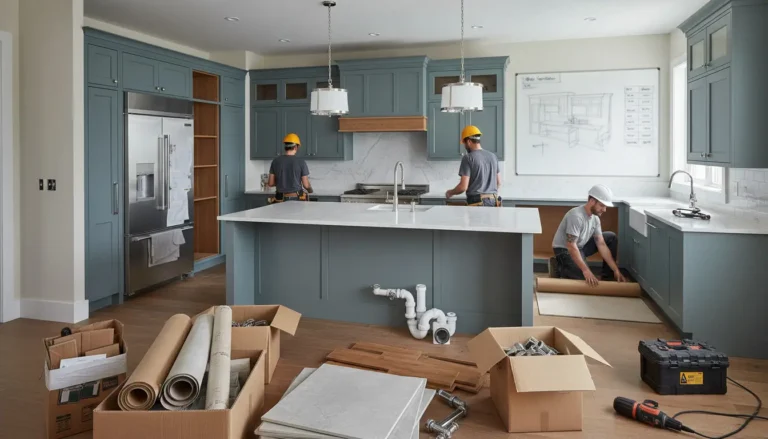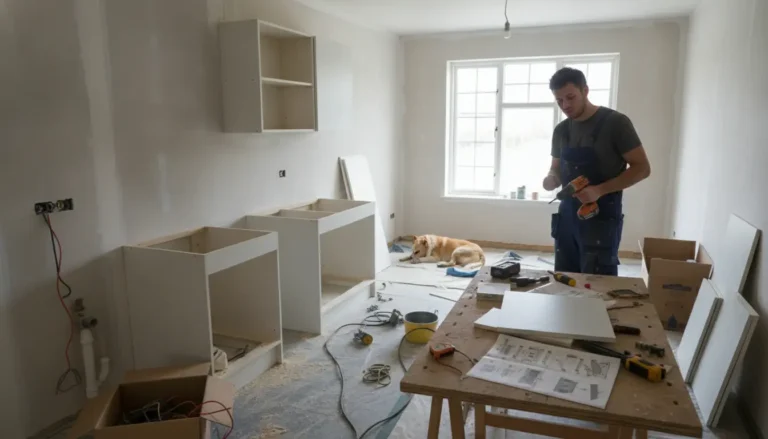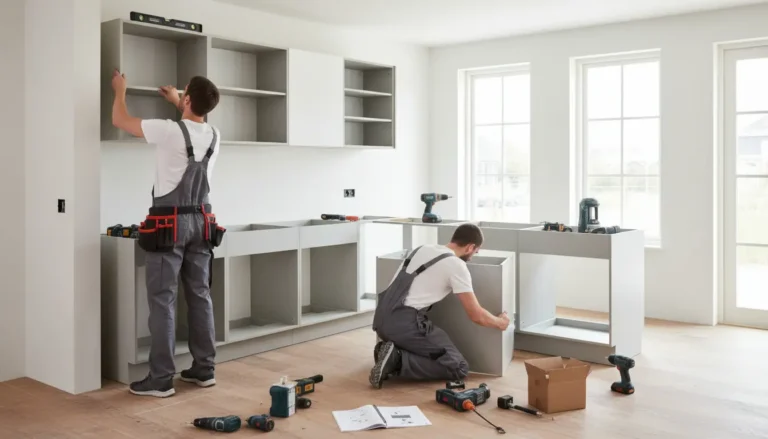

Professional kitchen installation gives you a fully fitted, safe, and beautifully finished kitchen without the stress of coordinating every trade yourself. From cabinets and worktops to appliances, plumbing, electrics, and final adjustments, the right installation team turns your plan into a working space with precision. Whether you are upgrading a home kitchen, fitting a rental property, or completing a commercial project, expert installation protects your investment, saves time, and delivers a kitchen that is ready to use with confidence.
A kitchen installed with precision from day one
A new kitchen is one of the most valuable improvements you can make to a property, but the final result depends heavily on the quality of the installation. Even premium cabinets, stone worktops, and high-end appliances can disappoint if units are not level, doors do not align, or services are poorly planned. Professional kitchen installation brings structure, technical skill, and accountability to the entire process.
Instead of juggling separate fitters, electricians, plumbers, worktop suppliers, and appliance engineers, you get a coordinated approach. The installation is planned around the layout, the materials, the required connections, and the way the kitchen will be used every day. That means fewer delays, fewer surprises, and a cleaner finish.
For homeowners, this can mean a calm, well-managed transformation. For landlords, it can mean faster turnaround between tenants. For hospitality, office, retail, or food service spaces, it can mean a compliant, efficient kitchen that supports daily operations from the moment it opens.
Why expert installation makes such a difference
Kitchen fitting is a detail-driven job. Walls may not be perfectly straight. Floors may slope. Existing plumbing can be in the wrong place. Appliances often need accurate ventilation clearances. Worktops require careful measuring, cutting, sealing, and support. A professional installer knows how to solve these issues without compromising the design.
The main advantages include:
-
Accurate alignment: Cabinets, drawers, fronts, handles, panels, and plinths are fitted so the kitchen looks intentional and refined.
-
Safer connections: Water, electrical, extraction, and appliance connections are handled with the right expertise and attention to regulations.
-
Efficient workflow: Units, appliances, storage zones, and work surfaces are installed to support comfortable cooking, cleaning, and movement.
-
Reduced waste: Careful planning helps avoid wrong cuts, damaged panels, missing parts, and expensive reordering.
-
Longer lifespan: Proper fixing, sealing, ventilation, and levelling help the kitchen perform better for years.
Small installation errors can become costly later. A poorly sealed sink can cause swelling. An uneven base can crack a worktop. A badly positioned dishwasher can damage adjacent cabinetry. Professional installation helps prevent those problems before they start.
From cabinets to complete kitchen fit-outs
Every project is different. Some clients need a single appliance installed. Others need a full kitchen fitted after a renovation. Some want existing cabinets replaced while keeping the same layout. Others are building a completely new space and need installation aligned with flooring, lighting, plastering, tiling, and services.
Common installation work includes:
-
Base units, wall units, tall units, pantry units, and custom storage.
-
Worktops, splashbacks, side panels, plinths, fillers, and cornices.
-
Integrated ovens, hobs, extractors, dishwashers, fridges, freezers, and microwaves.
-
Sinks, taps, waste systems, water supply, and dishwasher connections.
-
Lighting, sockets, appliance circuits, and practical finishing details.
-
Removal of old kitchens, adjustments to walls or floors, and final snagging.
If you are still choosing cabinetry, explore the options for kitchen cabinets before confirming your installation plan. Cabinet dimensions, material quality, hinge systems, and storage features all influence how smoothly the fitting process runs.
Installation for real-life situations
Home kitchen upgrade
Imagine replacing a dated kitchen in a family home. The space needs better storage, integrated appliances, brighter lighting, and a durable worktop. A professional installer checks the existing walls, measures service points, verifies cabinet sizes, and sequences the work so the home is disrupted for as little time as possible. The result is not just a better-looking kitchen, but a more practical room for busy mornings, shared meals, and everyday use.
Apartment kitchen with limited space
In an apartment, access can be tight and storage may be limited. Lifts, staircases, parking, delivery times, and noise rules can all affect the schedule. Professional kitchen installation helps manage these constraints. Fitters can plan just-in-time deliveries, protect communal areas, and use clever fitting techniques for compact layouts, tall cabinets, corner units, and integrated appliances.
Rental property turnaround
For landlords and property managers, speed matters, but quality still matters too. A poorly fitted kitchen can create maintenance calls, tenant complaints, and avoidable repairs. A well-installed kitchen with robust surfaces, secure cabinets, easy-clean finishes, and reliable appliances helps reduce long-term hassle while improving the property appeal.
Commercial or hospitality kitchen
Commercial kitchens demand durability, safety, hygiene, and workflow. Installation may involve stainless steel fabrication, refrigeration, extraction, heavy appliances, specialist plumbing, and mechanical or electrical coordination. A professional team can help install equipment in difficult locations, manage access restrictions, and ensure the layout supports chefs, staff, cleaning routines, and service speed.
What sets a professional approach apart
A strong installation process starts before the first cabinet is fixed to the wall. It begins with careful review of measurements, drawings, product specifications, services, access, and site readiness. This preparation is what separates a smooth project from one that constantly stops because something is missing, damaged, or incorrectly planned.
A professional installation service usually includes:
-
Pre-installation checks: Measurements, wall conditions, floor levels, service locations, appliance requirements, and delivery access.
-
Clear scheduling: Removal, preparation, fitting, connections, worktops, finishing, and snagging are placed in a logical order.
-
Trade coordination: Joinery, plumbing, electrics, ventilation, tiling, and appliance fitting are aligned to reduce downtime.
-
Problem solving on site: Uneven walls, unexpected pipework, missing panels, and awkward corners are handled calmly and practically.
-
Final quality control: Doors are adjusted, drawers glide correctly, seals are checked, appliances are tested, and finishes are reviewed.
If your project is part of a wider transformation, reviewing a full kitchen renovation plan can help you understand how installation connects with design, demolition, flooring, lighting, and final decoration.
Professional installation compared with doing it yourself
Some kitchens are marketed as simple to assemble, and confident DIY enthusiasts may handle smaller tasks. However, a full kitchen installation is rarely just assembly. It often involves structural fixing, accurate cutting, plumbing, electrical safety, heavy lifting, specialist tools, and coordination with other trades.
DIY can appear cheaper at first, but hidden costs can add up quickly. Mistakes may lead to damaged worktops, misaligned doors, leaks, delayed appliance use, or the need to hire a professional later to correct the work. With professional kitchen installation, you are paying for skill, speed, tools, experience, and a finish that protects the value of the kitchen.
The difference is especially clear when a project includes stone worktops, tall units, integrated appliances, handleless doors, awkward room shapes, or tight deadlines. Professional fitters know where tolerances matter, how to adapt without ruining the design, and when specialist support is required.
Confidence built on results
Customers often judge a kitchen installer by what happens when the project becomes difficult. Real-world installation rarely goes exactly as the drawing suggests. A wall may hide old pipework. A supplier may deliver a damaged panel. A floor may need more preparation than expected. A reliable installer communicates clearly, proposes practical solutions, and keeps the project moving.
Strong social proof usually comes from comments about punctuality, craftsmanship, cleanliness, problem solving, and respectful communication. Clients value installers who arrive prepared, protect the property, explain decisions, and do not leave until the kitchen functions properly. In commercial settings, trust is built by meeting deadlines, coordinating with contractors, and delivering a kitchen that staff can actually work in.
Before choosing an installer, ask to see examples of completed kitchens similar to yours. A compact apartment kitchen, a luxury island layout, and a commercial catering space all require different planning. The best installer for your project is the one who understands your specific scenario.
How to prepare for a smoother installation
A little preparation can make the installation faster and more efficient. Before the fitting date, confirm that all products have arrived, check visible damage, and make sure the room is accessible. If an old kitchen is being removed, decide whether you want disposal included. If plumbing or electrical changes are needed, make sure they are planned before cabinets block access.
Helpful preparation steps include:
-
Confirm final measurements and layout before ordering.
-
Check appliance specifications, ventilation needs, and power requirements.
-
Clear the kitchen, nearby hallway, and access route.
-
Protect valuable flooring or furniture in adjacent rooms.
-
Discuss water shut-off, temporary cooking arrangements, and working hours.
-
Keep drawings, delivery notes, and product instructions available on site.
For cabinet-specific fitting details, the guide to kitchen cabinets installation can help you understand what to expect when units are positioned, levelled, secured, and adjusted.
Ready to bring your kitchen plan to life?
Your kitchen should be more than a collection of boxes and appliances. It should feel solid, look balanced, and work naturally from the first day. Professional installation turns a design into a dependable space, whether the goal is a stylish family kitchen, a durable rental upgrade, or a high-performance commercial environment.
If you want fewer delays, fewer mistakes, and a finish you can trust, now is the right time to speak with an expert. Share your layout, your timeline, and your priorities, and get clear guidance on the best installation route for your project.
Professional kitchen installation gives you accuracy, safety, speed, and a polished finish that protects your investment. From careful planning and trade coordination to cabinet fitting, appliance connections, and final checks, every detail matters. Whether your project is small, complex, residential, or commercial, the right team helps you avoid costly mistakes and enjoy a kitchen that works beautifully. Start your installation with expert guidance today and turn your kitchen plans into a finished space with confidence.
Frequently asked questions
How long does professional kitchen installation usually take?
Professional kitchen installation can take a few days for a straightforward replacement and longer for larger renovations or commercial fit-outs. The timeline depends on the layout, worktop material, plumbing, electrical changes, appliance fitting, and site access. A good installer will assess the project first and provide a realistic schedule before work begins.
Do I need to buy the kitchen before booking an installer?
You can contact an installer before or after purchasing the kitchen, but earlier is often better. A professional can review measurements, cabinet choices, appliance requirements, and service positions before you order. This helps prevent missing parts, wrong sizes, unsuitable materials, or design choices that make installation slower and more expensive.
Can professional kitchen installation include plumbing and electrics?
Yes, many professional kitchen installation services coordinate plumbing, electrical work, appliance connections, extraction, and finishing. Some tasks must be completed by qualified trades, especially electrical circuits and certain appliance connections. Coordinating these trades through one installation plan helps reduce delays and ensures the kitchen is safe, practical, and ready to use.
Is professional installation worth it for a flat-pack kitchen?
Yes, especially if the kitchen includes integrated appliances, worktop cuts, wall units, plumbing, or uneven walls and floors. Flat-pack kitchens still require accurate assembly, levelling, fixing, alignment, and finishing. Professional kitchen installation can make an affordable kitchen look higher quality and help avoid damage caused by incorrect fitting.
What should I check before the installer arrives?
Before professional kitchen installation begins, check that all cabinets, panels, appliances, handles, worktops, and accessories have been delivered. Clear the work area, confirm parking or access, and keep plans and manuals available. If old units need removal, agree on disposal in advance so the installer can start efficiently.
About the Author