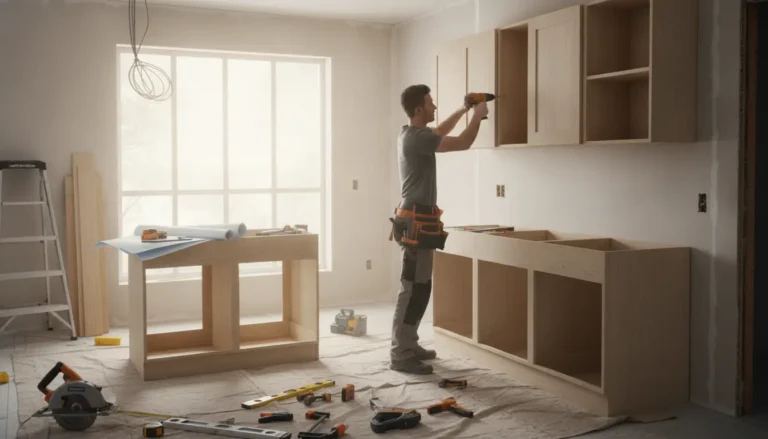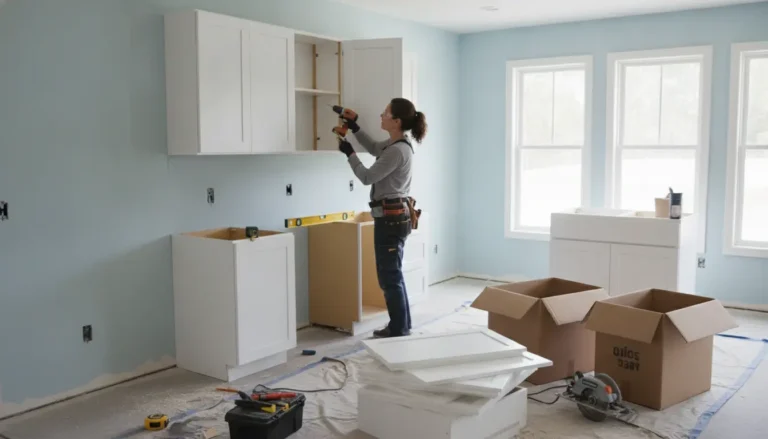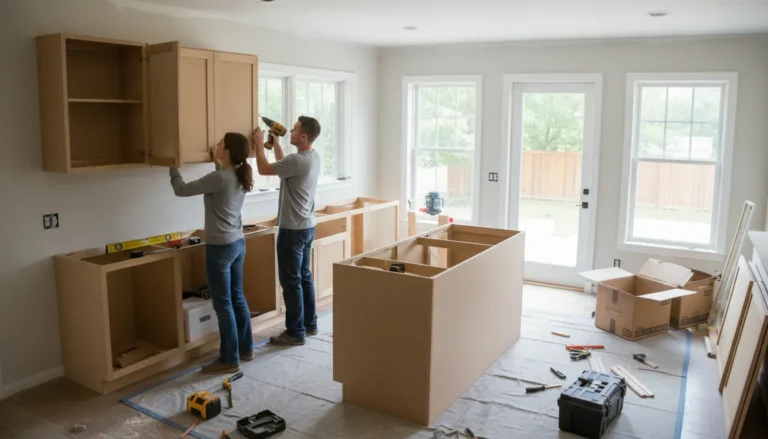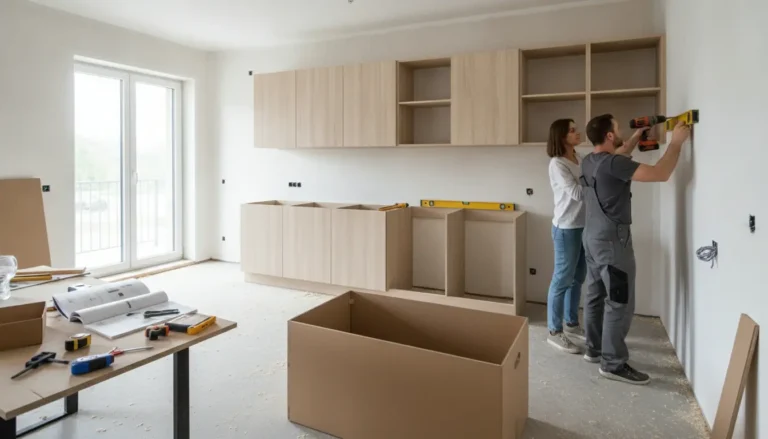
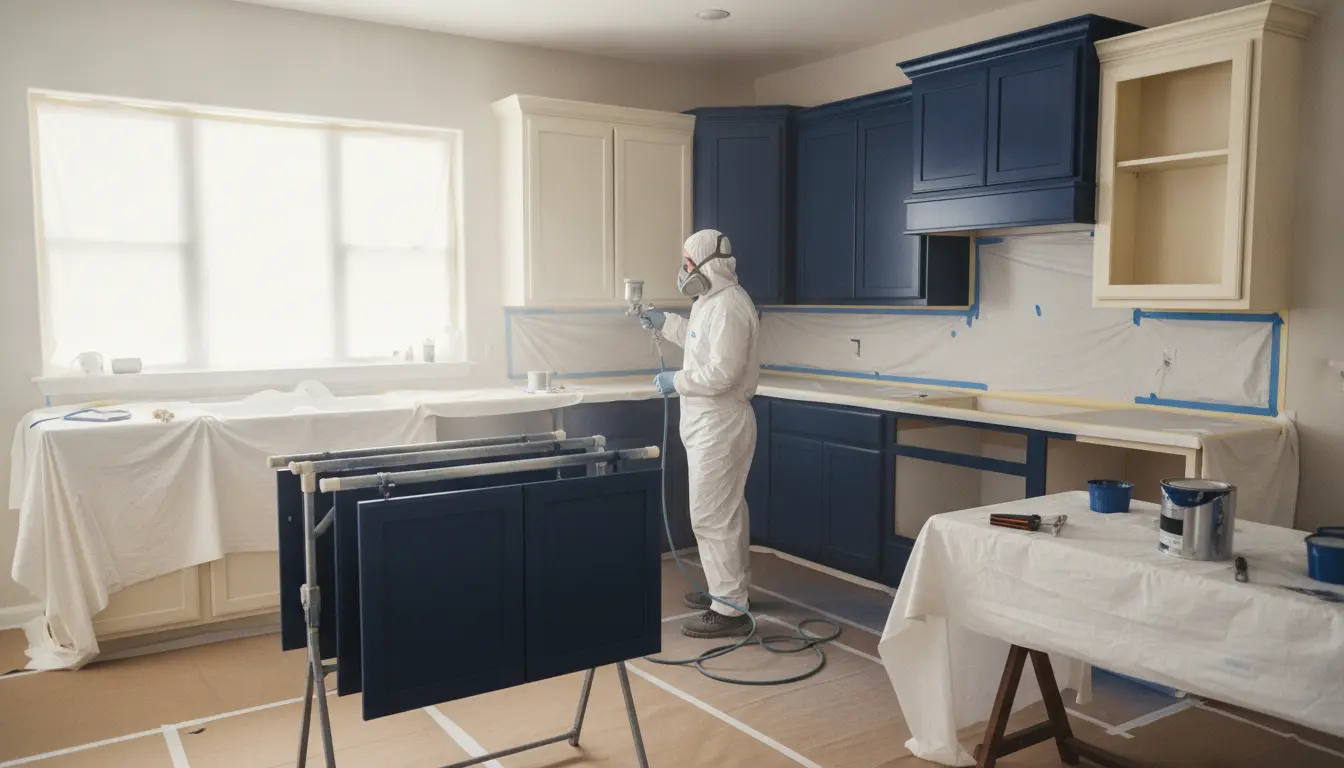
Kitchen cabinets spray paint is the smart solution when you want a showroom-quality kitchen refresh without the cost, mess, or delay of a full replacement. This page helps you understand what a professional sprayed finish can deliver, how preparation affects durability, and which choices create the best return on your upgrade. With practical guidance, finish comparisons, and clear next steps, you can move from tired cabinet doors to a cleaner, modern kitchen with confidence.
Give Your Kitchen a High-Impact Refresh Without Replacing Everything
Replacing an entire kitchen can be expensive, disruptive, and often unnecessary. If your cabinet boxes, doors, drawer fronts, and panels are structurally sound, spray painting can transform the space while keeping the layout you already like. Instead of tearing out units, waiting for new cabinetry, and managing weeks of renovation dust, you can achieve a fresh, smooth finish that makes the room feel newly designed.
The biggest advantage is visual impact. Cabinet doors cover a large part of the kitchen, so changing their color and finish immediately changes how the entire room feels. A dark wood kitchen can become bright and open. A dated cream finish can become crisp white, warm grey, deep green, or soft blue. A tired laminate look can be upgraded into a clean satin or semi-gloss surface that feels intentional and contemporary.
For many homeowners, kitchen cabinets spray paint is also a more sustainable choice. You reuse existing materials instead of sending usable cabinets to landfill. That matters when your cabinet frames are still strong, your layout works, and the main issue is simply a worn or outdated appearance.
Why a Sprayed Finish Looks Different From Brush Painting
A sprayed cabinet finish is designed to look smooth, even, and consistent across flat panels, grooves, edges, and detailed profiles. Brush painting can work for some projects, but it often leaves visible strokes, uneven texture, or heavier paint build-up in corners. With spraying, the coating is atomised into a fine mist and applied in controlled passes, creating a more refined surface.
This matters most on doors and drawer fronts because they are seen up close every day. Light from windows, under-cabinet lighting, and ceiling fixtures can reveal imperfections quickly. A well-sprayed finish reduces those imperfections and gives your kitchen a cleaner, more premium look.
Key advantages you can see and feel
-
A smooth surface with no visible brush marks.
-
Even coverage on corners, grooves, raised panels, and flat fronts.
-
A durable coating that can resist normal kitchen wear when prepared correctly.
-
A faster transformation compared with many replacement projects.
-
More design freedom through modern colors and finish levels.
Preparation Is What Makes the Finish Last
The final result is only as good as the preparation behind it. Kitchens collect grease, steam, dust, fingerprints, and cleaning residue. If those contaminants are not removed before coating, even a premium paint can struggle to bond. A professional process normally begins with removing doors and drawer fronts, labelling parts, taking off handles and hinges, and cleaning every paintable surface thoroughly.
After cleaning, surfaces are lightly sanded to create the right profile for adhesion. Any damaged areas can be filled, gaps can be caulked where appropriate, and dust must be removed before primer is applied. Primer is important because it creates a stable base, helps block staining, and improves the bond between the old surface and the new topcoat.
For example, an oak kitchen with visible grain may need a different preparation plan than a smooth MDF cabinet door. A high-gloss surface may require more careful sanding and bonding primer. A previously painted door may need assessment to check whether the old coating is stable enough to accept a new finish.
Finish Choices That Match the Way You Live
The best paint finish depends on your kitchen style, lighting, and daily use. Satin is a popular choice because it looks refined without being too reflective. Semi-gloss can add brightness and is often easier to wipe clean, but it may show surface imperfections more clearly. Matte finishes look sophisticated, especially in darker colors, but they usually need more careful maintenance in busy family kitchens.
Color selection also affects the mood of the room. White and off-white can make a compact kitchen feel larger. Grey offers a balanced, modern look that works with stone, wood, and stainless steel. Green creates warmth and character, especially with brass handles or natural timber. Blue can feel calm and tailored, while black creates a dramatic designer effect when balanced with good lighting.
If you are still comparing finishes and palettes, explore more inspiration on kitchen cabinet colors before committing to your final shade.
When Spray Painting Is the Right Choice
Spray painting is ideal when the cabinets are solid but visually dated. It is especially useful for homeowners who like their kitchen layout, want to avoid a full remodel, or need a cost-conscious upgrade before selling a home. It can also be a strong option after smaller improvements such as new handles, new hinges, updated lighting, or a refreshed worktop.
Practical scenarios
-
You have a good-quality wooden kitchen, but the stain looks orange, dark, or old-fashioned.
-
Your cabinet doors are smooth and functional, but the color no longer matches your flooring or worktops.
-
You want to modernise shaker-style doors without losing their classic profile.
-
You are preparing a property for sale and want a fresher kitchen without overspending.
-
You have recently changed handles or appliances and need the cabinetry to match the new look.
If the cabinet structure is damaged, swollen, badly warped, or poorly fitted, painting may not solve the underlying issue. In that case, compare repair, refacing, and replacement options. You can start with this guide to kitchen cabinet renovation to decide which route is more suitable.
Spray Paint, Refacing, or New Cabinets?
Choosing the right upgrade depends on budget, condition, and expectations. Spray painting focuses on the visible finish. Refacing usually replaces or covers fronts while keeping the cabinet boxes. New cabinets involve the highest level of change but also the most cost, disruption, and planning.
How the options compare
-
Spray painting: Best for solid cabinets that need a new color and smoother appearance. It is usually the least disruptive option and can create a dramatic change quickly.
-
Refacing: Best when door styles are no longer suitable but the cabinet layout and boxes are still good. It can cost more than painting but less than full replacement.
-
Replacement: Best when the layout, storage, cabinet condition, or overall design no longer works. It offers the most flexibility but requires a bigger investment.
For homeowners focused on value, spray painting often delivers the strongest visible improvement for the investment. If your main complaint is color, shine, or worn finish rather than storage or structure, it is worth considering before committing to a full remodel.
What a Professional Process Should Include
A reliable cabinet spraying service should do more than simply apply paint. Look for a process that includes careful masking, dust control, ventilation, safe handling, surface preparation, primer selection, controlled spraying, drying time, sanding between coats where needed, and careful reassembly. Doors and drawer fronts may be sprayed off-site in a controlled workshop, while fixed frames and end panels can be protected and sprayed on-site.
Ask how the team prevents overspray, how they protect floors and appliances, and what type of coating they recommend for kitchen use. You should also ask about curing time. Paint may feel dry before it reaches full hardness, so gentle use during the early period can help protect the finish.
Good communication is a major trust signal. A professional should explain what will happen before work begins, how long the kitchen will be partially out of use, and what you can do to prepare. Clear expectations reduce stress and help the project run smoothly.
Proof That Small Changes Can Create a Big Result
Many successful kitchen transformations combine spray painting with a few targeted upgrades. New handles can change the style immediately. Soft-close hinges improve daily comfort. Under-cabinet lighting makes the new finish look more premium. A fresh wall color or updated splashback can complete the effect without turning the project into a full renovation.
Imagine a dated honey-oak kitchen. The cabinet structure is strong, but the room feels dark. By spraying the doors in warm white, adding brushed nickel handles, and improving lighting, the same kitchen can feel brighter and more spacious. Or picture a plain rental kitchen refreshed with soft grey cabinet fronts, clean hardware, and a satin finish. The room feels more valuable, yet the core cabinetry remains in place.
For a broader view of cabinetry options, materials, and upgrade paths, visit kitchen cabinets and compare ideas before making your final decision.
Ready to Plan Your Cabinet Transformation?
If your kitchen feels dated but the cabinets are still in good condition, now is the time to explore a sprayed finish. Start by choosing your preferred color direction, deciding whether you want satin or semi-gloss, and checking which parts need painting: doors, drawer fronts, plinths, cornices, end panels, light pelmets, and fixed frames.
The next step is simple: request advice, compare finish options, and get a clear estimate based on your kitchen size and condition. A carefully planned spray paint upgrade can give you a kitchen that feels cleaner, newer, and more personal without the pressure of a full replacement.
Kitchen cabinets spray paint offers a practical, stylish, and cost-effective way to refresh your kitchen while keeping the cabinets you already own. With proper preparation, the right primer, and a professionally sprayed topcoat, you can achieve a smooth, durable finish that transforms the room. If your cabinet structure is sound and your style needs an upgrade, take the next step today and request expert guidance for your ideal finish.
Frequently Asked Questions
Is kitchen cabinets spray paint durable enough for daily use?
Yes, kitchen cabinets spray paint can be highly durable when the surfaces are cleaned, sanded, primed, and coated correctly. The key is preparation and using a coating suitable for kitchen conditions. Normal wiping, cooking activity, and daily opening should not be a problem once the finish has cured properly.
Can I spray paint cabinet doors myself?
You can, but professional results require careful masking, ventilation, surface preparation, spray control, and drying space. DIY spraying often looks uneven if the pressure, distance, or overlap is wrong. For a high-visibility kitchen, hiring an experienced sprayer usually gives a smoother finish and reduces the risk of costly mistakes.
How long does kitchen cabinets spray paint take?
Timing depends on the kitchen size, number of doors, drying conditions, and whether parts are sprayed on-site or off-site. Many projects can be completed within several days, but curing continues after the paint feels dry. Your installer should explain when the cabinets can be used normally again.
Will spray painting cover wood grain and old colors?
Kitchen cabinets spray paint can cover old colors very effectively, especially with the right primer. Wood grain may still be slightly visible depending on the species and finish level. If you want a very smooth, filled look on open-grain wood, discuss extra preparation steps before the project begins.
Is spray painting cheaper than replacing kitchen cabinets?
In many cases, yes. Spray painting keeps the existing cabinet structure, so you avoid the cost of new units, removal, and major installation work. It is best when the layout and cabinet condition are already good. If cabinets are damaged or badly fitted, replacement may offer better long-term value.
About the Author