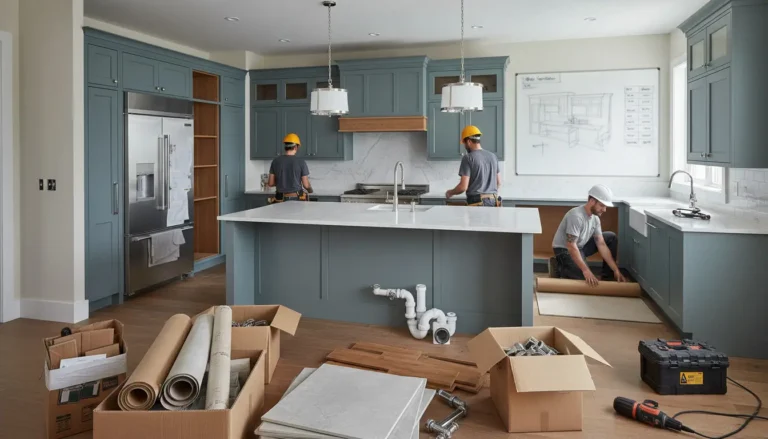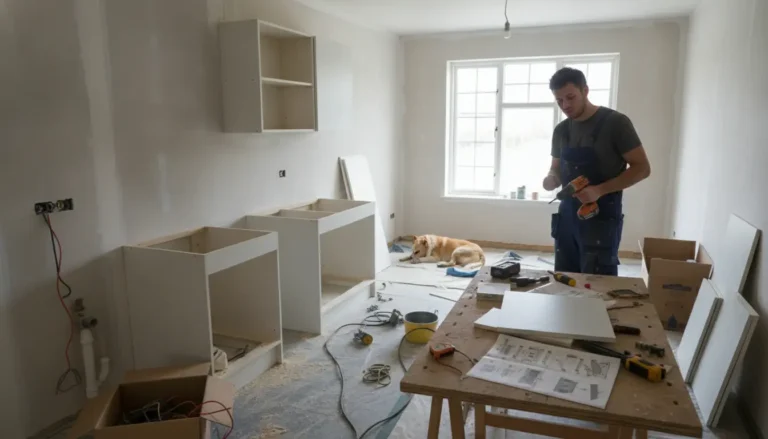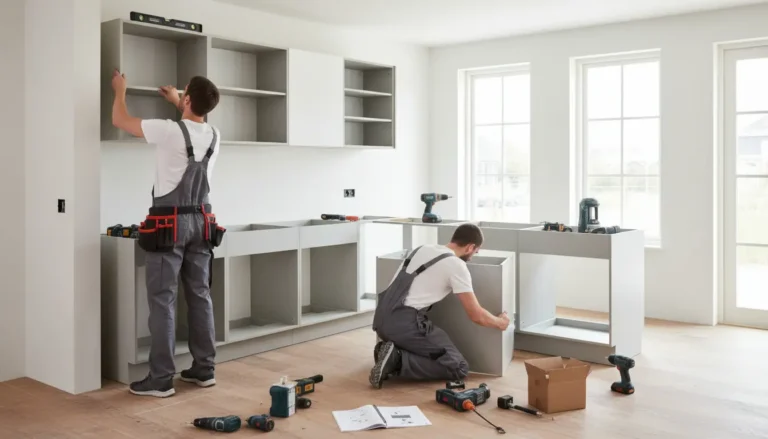
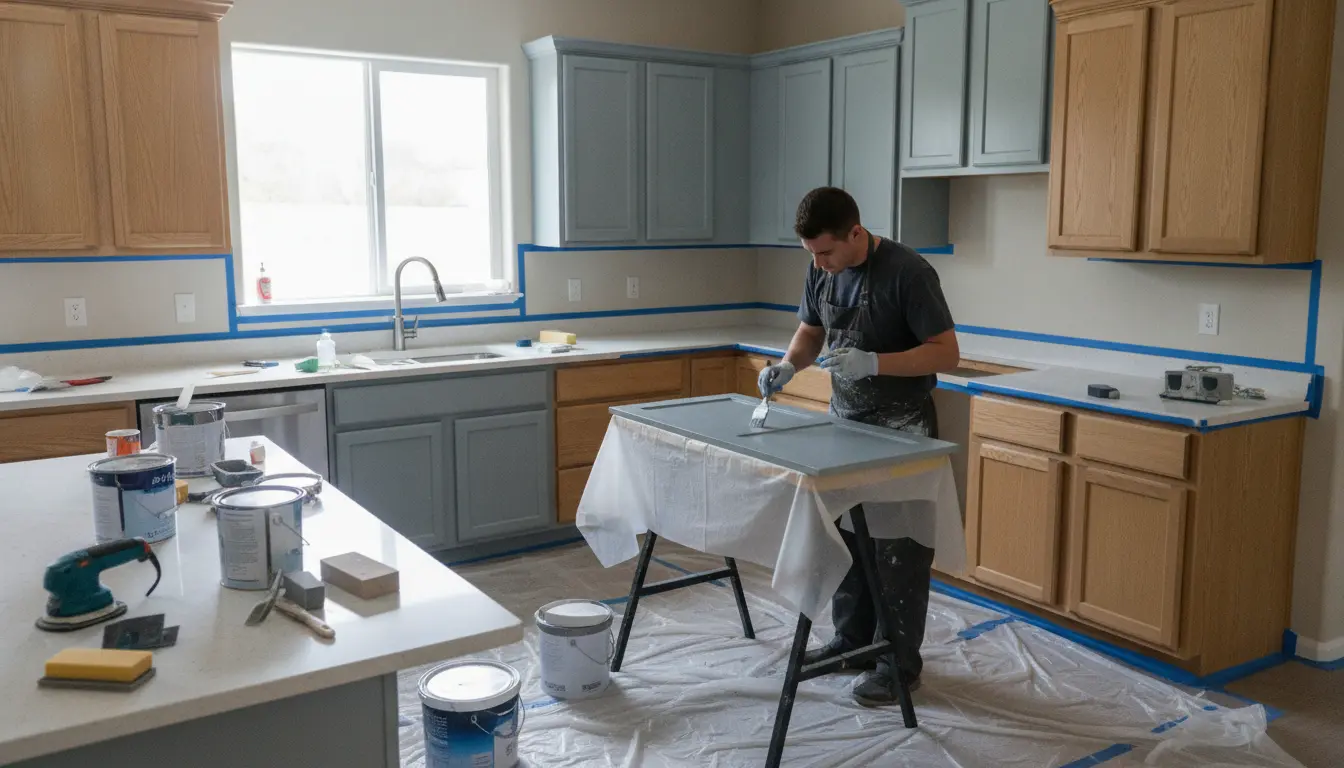
Kitchen cabinets painting is the smart solution when your kitchen layout still works, but the doors, drawer fronts, or color feel outdated. Instead of replacing perfectly usable cabinets, you can refresh the entire room with a durable painted finish, careful preparation, and the right color choice. This guide helps you understand when painting is worth it, what results to expect, and how Kitchen Advisor can help you make a confident, cost-conscious decision before starting your kitchen upgrade.
Transform Your Kitchen Without Replacing Everything
A full kitchen replacement can be expensive, disruptive, and unnecessary when the cabinet structure is still solid. Kitchen cabinets painting gives you a visible transformation while keeping the existing layout, storage, and installation in place. For many homeowners, that means a faster refresh, a lower project budget, and less waste compared with removing and replacing every cabinet.
Imagine a kitchen with sturdy oak doors that look too dark for the rest of the home. Or a rental property where the cabinets are practical but the finish feels tired. Painting can turn those same cabinets into a clean white, warm greige, soft sage, deep navy, or modern charcoal design. The result can feel like a remodel, without the same level of construction work.
The key is not simply adding paint. A long-lasting finish depends on cleaning, degreasing, sanding, priming, and applying the correct coating for a high-use kitchen environment. Cabinets are touched daily, exposed to grease, cleaned often, and opened constantly. That is why preparation and product choice matter more than speed.
Why Painting Cabinets Can Be a High-Value Upgrade
When done properly, painted cabinets can improve both the look and feel of your kitchen. It is one of the most effective ways to make a dated kitchen feel intentional again, especially when combined with updated handles, lighting, worktops, or wall colors.
-
Lower cost than replacement: You keep the cabinet boxes, hinges, and layout, reducing material and installation costs.
-
Less disruption: Many projects can be completed without demolishing the kitchen or changing plumbing and electrical points.
-
More design freedom: Painting allows you to choose a color that fits your home rather than accepting a limited factory finish.
-
Better sustainability: Reusing existing cabinets reduces unnecessary waste and can extend the life of a functional kitchen.
-
Strong visual impact: Cabinets cover a large part of the room, so changing their color can redefine the entire kitchen.
If you are still comparing options, explore broader kitchen cabinets ideas to see how color, layout, and storage choices work together. Painting is often the best first step when the bones of the kitchen are good and the main problem is appearance.
When Kitchen Cabinets Painting Makes the Most Sense
Painting is ideal when your cabinets are structurally sound. Doors should close properly, drawer fronts should be stable, and the cabinet boxes should not be swollen, water-damaged, or badly warped. If the surface is dirty, glossy, scratched, or dated, paint can solve a lot. If the cabinet material is failing, painting may only hide the problem temporarily.
Good scenarios for painting
-
You have recently moved into a home and the kitchen color does not match your style.
-
The kitchen layout is practical, but the cabinets look yellowed, dark, or old-fashioned.
-
You want to prepare a property for sale or rental with a fresher, cleaner appearance.
-
You are planning a phased renovation and want an affordable improvement now.
-
Your cabinet doors are plain, shaker, wood, laminate, or MDF and can be prepared correctly.
When another solution may be better
If the cabinet fronts are peeling badly, if moisture has damaged the core material, or if the layout no longer fits how you cook, replacement, refacing, or a larger remodel may be more suitable. In that case, compare cabinet upgrades with kitchen cabinets renovation options before choosing paint alone.
The Process Behind a Durable Finish
A beautiful cabinet finish begins before the first coat of paint. Kitchens collect grease, steam residue, fingerprints, and dust. If these are left on the surface, paint may not bond well. The best results come from a methodical process.
-
Remove or protect hardware: Handles, hinges, and nearby surfaces should be removed or masked carefully for clean edges.
-
Degrease thoroughly: Cabinet surfaces need to be cleaned with a suitable degreaser, especially around cooking zones and handles.
-
Sand for adhesion: Light sanding dulls glossy finishes and helps primer grip the surface evenly.
-
Repair imperfections: Small dents, holes, or scratches can be filled and sanded smooth before coating.
-
Apply primer: The right primer improves adhesion, blocks stains, and creates a stable base for paint.
-
Paint in controlled coats: Thin, even coats usually produce a smoother, stronger result than one heavy layer.
-
Allow proper curing: Paint may feel dry quickly, but full hardness takes longer. Gentle use in the first days helps protect the finish.
For example, a family kitchen with children needs a finish that can handle frequent wiping. A holiday apartment may need a finish that looks good in photos and withstands changing guests. A compact city kitchen may benefit from a lighter color to make the space feel larger. In each situation, the process is similar, but the color, sheen, and durability requirements may differ.
Color Choices That Influence the Whole Room
Color is one of the biggest decisions in kitchen cabinets painting. White and off-white create a bright, timeless look. Grey can feel calm and modern. Green adds warmth and character, especially with wood accents. Blue works well in both classic and contemporary kitchens. Black or deep charcoal can look premium when balanced with enough light.
Before choosing, consider the worktop, floor, splashback, wall color, appliances, and natural light. A paint sample that looks perfect in a bright showroom may feel too cold in a north-facing kitchen. Test colors in the actual room if possible, and view them in morning, afternoon, and evening light.
If you are unsure which direction fits your home, review kitchen cabinets colors for inspiration. A conversion-focused cabinet refresh is not only about choosing a fashionable shade. It is about selecting a color that helps the kitchen feel coherent, clean, and valuable.
Painting Compared With Refacing and Replacement
Homeowners often compare painting with cabinet refacing or full replacement. Each option has a place, but the right choice depends on your budget, timeline, and expectations.
|
Option |
Best for |
Main advantage |
Consideration |
|---|---|---|---|
|
Painting |
Sound cabinets with dated color |
Cost-effective visual transformation |
Requires careful preparation |
|
Refacing |
Good cabinet boxes but poor doors |
New front appearance |
Higher cost than paint |
|
Replacement |
Damaged cabinets or poor layout |
Complete redesign freedom |
Highest disruption and budget |
If your current kitchen works well, painting can be the most practical route. If you dislike the door style itself, refacing may be worth considering. If storage is inadequate, the cabinets are damaged, or you want to move appliances, replacement may deliver better long-term value.
What Homeowners Notice After a Cabinet Paint Upgrade
Many people are surprised by how much a cabinet color change affects the entire home. A dark kitchen can feel brighter. A basic kitchen can look more designed. A mismatched interior can become calmer and more cohesive. Estate agents and homeowners often focus on kitchens because buyers and guests respond strongly to clean, updated surfaces.
Common feedback after a successful cabinet painting project includes:
-
The kitchen feels newer without looking artificial.
-
The room photographs better for sale, rental, or online listings.
-
Existing worktops and floors look more intentional next to the new color.
-
New handles or knobs stand out more against a fresh painted surface.
-
The household enjoys the kitchen again without committing to a full remodel.
This is why kitchen cabinets painting can be a smart conversion decision. It reduces hesitation by offering a practical middle ground: more impact than small decorative changes, but less commitment than replacing the entire kitchen.
Common Mistakes That Reduce the Result
The most common mistake is rushing preparation. Painting over grease, skipping primer, using the wrong roller, or applying paint too thickly can lead to brush marks, poor adhesion, or early chipping. Another mistake is choosing a color without checking it against fixed elements such as flooring and worktops.
It is also important to set realistic expectations. A painted cabinet can look excellent, but it is still a coated surface that needs sensible care. Avoid aggressive scrubbing pads, allow the coating to cure properly, and clean spills quickly. With the right approach, painted cabinets can remain attractive through everyday use.
Ready to Plan Your Cabinet Refresh?
If you want a kitchen that feels updated without unnecessary replacement, start by assessing the condition of your cabinets, defining your preferred color direction, and deciding whether you want a professional finish or a carefully planned do-it-yourself project. Kitchen Advisor helps you compare possibilities, avoid costly missteps, and choose the path that matches your budget and goals.
Your cabinets already define much of your kitchen. With the right painting plan, they can define it in a better way. Review your options, gather inspiration, and take the next step toward a kitchen that looks cleaner, more modern, and more aligned with the way you live.
Kitchen cabinets painting is a practical way to refresh your kitchen, save money, reduce disruption, and keep a layout that already works. With proper cleaning, sanding, primer, durable paint, and a thoughtful color choice, your cabinets can look renewed and more valuable. If you are ready to improve your kitchen without jumping straight to replacement, start planning your cabinet painting project today and make your next upgrade a confident one.
Frequently Asked Questions
Is kitchen cabinets painting cheaper than replacing cabinets?
Yes, kitchen cabinets painting is usually much cheaper than full replacement because you keep the existing cabinet boxes, layout, and installation. Costs mainly depend on cabinet size, surface condition, paint quality, and whether you hire a professional. If the cabinets are structurally sound, painting can deliver a strong visual upgrade for a smaller budget.
Can I paint kitchen cabinets myself?
You can paint kitchen cabinets yourself if you are comfortable with careful preparation, patient drying times, and detail work. The most important steps are degreasing, sanding, priming, and applying thin coats. A do-it-yourself approach can save money, but professional help may be better for high-gloss finishes, damaged surfaces, or large kitchens.
How long does kitchen cabinets painting take?
The timeline depends on the number of doors, drying conditions, repairs, and coating system. A small kitchen may take several days from preparation to final coat, while a larger project can take longer. Remember that paint can feel dry before it is fully cured, so gentle use is important after finishing.
What cabinet materials can be painted?
Wood, MDF, laminate, and some veneer cabinets can often be painted when prepared with the right cleaning, sanding, and primer. The surface must be stable, dry, and free from peeling layers. Smooth or glossy materials need extra attention because adhesion is harder. If the cabinet core is swollen or damaged, painting may not last.
Which color is best for kitchen cabinets painting?
The best color depends on light, flooring, worktops, wall color, and the style of your home. White feels bright and timeless, grey is calm, green is warm, blue adds character, and black can look premium. Always test samples in your own kitchen before deciding, because lighting changes how colors appear.
About the Author