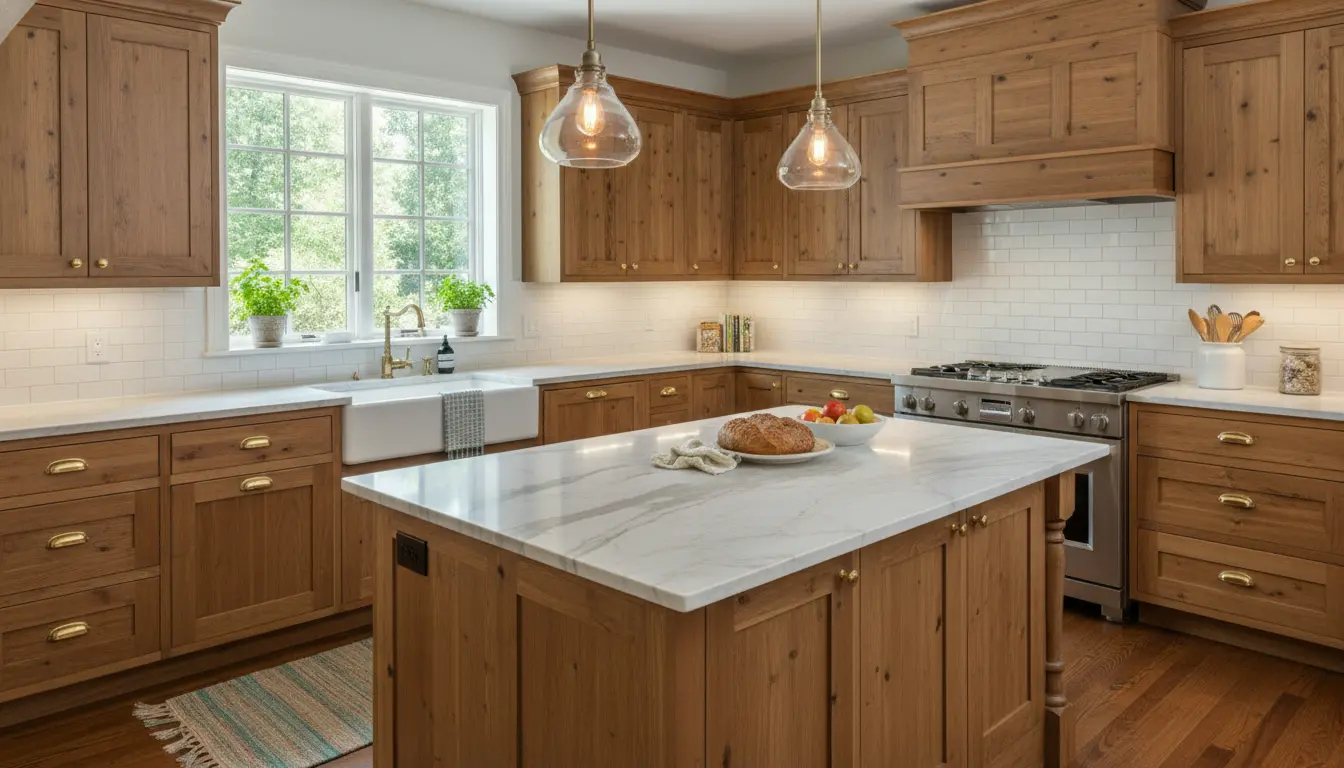
Wood kitchen cabinets bring warmth, durability, and lasting value to the heart of your home. This page helps you choose the right cabinet style, finish, layout, and buying route with confidence. Whether you want a natural oak look, rich walnut character, or a clean modern wood finish, KitchenAdvisor makes the decision easier with practical guidance, clear comparisons, and conversion-focused advice so you can move from inspiration to a kitchen you will love using every day.
Why wood remains a smart choice for your kitchen
A kitchen is not only a place to cook. It is where mornings start, guests gather, and everyday routines need to feel effortless. Wood kitchen cabinets are a strong choice because they combine natural beauty with practical performance. Unlike trend-led finishes that can feel dated quickly, wood has a timeless quality. The grain, tone, and texture create depth that makes even a simple layout feel considered and inviting.
For many homeowners, wood also offers design flexibility. A light wood cabinet can make a compact kitchen feel brighter and more open. A darker walnut or stained finish can add a premium, grounded look to a larger space. A painted wall, stone worktop, or matte black handle can change the entire mood without replacing the cabinets themselves. That flexibility makes wood a smart long-term investment.
Benefits you can see and feel every day
The best cabinets do more than look good in a showroom. They need to handle daily use, suit your storage habits, and support the way your household works. Wood cabinets stand out because they offer a combination of warmth, strength, and adaptability.
-
Natural character: Every door front has subtle grain patterns, giving your kitchen a more personal and less artificial feel.
-
Long-lasting appeal: Wood works with classic, rustic, Scandinavian, modern, and transitional interiors.
-
Repair potential: Depending on the finish and construction, small marks can often be touched up more easily than with many synthetic surfaces.
-
Design depth: Wood pairs beautifully with marble-look worktops, concrete-effect surfaces, ceramic tiles, stainless steel, and warm lighting.
-
Resale confidence: A well-designed wooden kitchen often feels high quality to future buyers because it suggests permanence and care.
Choose the right wood look for your home
Not every wood kitchen should look the same. The right choice depends on your room size, natural light, floor color, and preferred atmosphere. A north-facing kitchen may benefit from a warmer tone that prevents the room from feeling cold. A sunny open-plan space can handle deeper wood without feeling heavy.
Light oak for calm, open spaces
Light oak is ideal if you want a relaxed and airy kitchen. It works well in apartments, family homes, and open-plan layouts where the kitchen connects to a living area. Pair it with white walls, pale stone worktops, and simple handles for a clean look. If you prefer more contrast, combine oak fronts with dark hardware and a textured backsplash.
Walnut for a rich and refined finish
Walnut creates a warmer, more luxurious atmosphere. It suits statement kitchens, dining kitchens, and spaces where cabinetry is a key design feature. Walnut can look especially impressive with soft under-cabinet lighting and a neutral worktop. If you are concerned about a dark kitchen feeling too intense, use walnut for base units and choose lighter upper cabinets or open shelving.
Maple and natural tones for everyday versatility
Maple and other balanced natural wood tones are excellent for households that want a practical, friendly, and adaptable kitchen. They sit between very light and very dark finishes, making them easy to style with changing accessories, wall colors, and appliances. This is a good route when you want warmth without making the cabinetry the most dominant element in the room.
What makes a cabinet worth buying
Good design is not only about the door front. Before you buy, look at construction, storage options, hinges, drawers, finish quality, and installation requirements. A cabinet that looks attractive online should also feel sturdy when opened, closed, and loaded with cookware.
-
Strong cabinet boxes: The internal structure should support daily use and weight from plates, pans, and pantry items.
-
Reliable hinges and runners: Soft-close hardware helps reduce noise and gives the kitchen a more premium feel.
-
Practical storage: Deep drawers, corner solutions, pull-out shelves, and tall pantry units can transform how the kitchen functions.
-
Consistent finishing: Edges, corners, and visible panels should look clean and intentional.
-
Clear buying information: Dimensions, delivery details, material descriptions, and price expectations should be easy to understand.
If you are still comparing cabinet types, you can start with the broader guide to kitchen cabinets and then narrow your shortlist to the wood styles that match your space and budget.
Wood cabinets compared with other popular finishes
White cabinets remain popular because they feel bright and clean, while black, grey, blue, and green cabinets can create a bold design statement. Wood offers a different advantage: it adds visual warmth without requiring a strong color commitment. That makes it easier to update surrounding elements later.
Compared with high-gloss finishes, wood tends to feel softer and more natural. Compared with painted cabinets, wood grain can hide minor everyday signs of use more gracefully, depending on the finish. Compared with flat laminate, a quality wood look usually brings more depth and a more crafted appearance. The right choice is personal, but wood is especially appealing if you want your kitchen to feel welcoming rather than clinical.
Practical scenarios to help you decide
For a busy family kitchen
Choose a mid-tone wood cabinet with durable hardware, deep drawers, and easy-access pantry storage. This combination helps keep school bags, lunch boxes, cooking tools, and snacks under control. Add a hardwearing worktop and wipeable backsplash to create a space that looks warm but still performs under pressure.
For a compact apartment
Use light wood kitchen cabinets with vertical storage and minimal handles. The lighter tone prevents the room from feeling crowded, while the vertical lines help the kitchen feel taller. Consider upper cabinets that reach close to the ceiling so less-used items can be stored without sacrificing everyday access.
For an open-plan living area
Wood is excellent when the kitchen is visible from the sofa or dining table. It softens the transition between cooking and living zones. A wood island, for example, can feel like a piece of furniture rather than a purely functional block of cabinetry. This creates a more cohesive home atmosphere.
How to budget with confidence
Cabinet prices can vary based on material, size, finish, hardware, delivery, and installation. The smartest approach is to compare complete cabinet value rather than only the lowest unit price. A cheaper cabinet may cost more later if it requires extra adjustments, lacks storage efficiency, or needs replacing sooner than expected.
When planning your budget, consider the full picture: cabinet fronts, cabinet boxes, handles, drawer systems, side panels, plinths, worktops, fitting, and any changes to plumbing or electrics. For a clearer overview before requesting quotes, review typical kitchen cabinet costs so you can set realistic expectations and avoid surprises.
Why buyers choose guidance before ordering
Many people begin with inspiration images of wooden kitchens, then quickly realize there are dozens of decisions to make. Should the grain run vertically or horizontally? Is the finish warm enough for the flooring? Will the handles suit the appliances? Are drawers better than doors for lower units? These details affect both appearance and daily comfort.
KitchenAdvisor is built to help you move from visual inspiration to a practical buying decision. Instead of guessing, you can compare options, understand trade-offs, and choose cabinets that match how you actually live. Homeowners often tell us that the most valuable step is not finding the first beautiful cabinet, but confirming that it works for their room, routine, and budget.
Simple ways to create a premium look
You do not always need the most expensive cabinet range to achieve a high-end result. Thoughtful combinations can elevate the entire kitchen. Use warm wood cabinets with a slim stone-effect worktop for a clean architectural feel. Add brass or brushed nickel handles for subtle elegance. Use integrated lighting to highlight the grain in the evening. Keep visible clutter low so the natural texture remains the feature.
Another effective approach is contrast. Pair wood base cabinets with white upper cabinets for brightness, or combine full-height wood storage with a dark island for impact. If you want a softer look, choose open shelving in the same tone as the cabinets and display ceramics, glassware, or cookbooks sparingly.
Ready to find your ideal cabinets?
If you already know the look you want, the next step is to compare availability, quality, and value. Look for clear product information, practical storage choices, and a supplier that helps you understand what is included. You can also explore options to buy kitchen cabinets with more confidence and make a shortlist that fits your renovation timeline.
Wood kitchen cabinets are more than a design preference. They are a way to make your kitchen feel warmer, more personal, and more durable for everyday life. Start with your room, define your storage needs, choose a wood tone that supports your style, and take the next step toward a kitchen that feels right from the first morning coffee to the last dinner guest leaving.
Wood kitchen cabinets offer the ideal balance of natural beauty, practical strength, and long-term design flexibility. From light oak to rich walnut, the right cabinet choice can transform your kitchen into a warmer, more functional, and more valuable space. Compare styles, plan your budget, and choose with confidence. Start exploring your best cabinet options today and move one step closer to the kitchen you have been imagining.
Frequently asked questions about wood kitchen cabinets
Are wood kitchen cabinets a good investment?
Yes, wood kitchen cabinets are often a strong investment because they offer timeless appeal, daily durability, and broad design flexibility. They can suit both classic and modern homes, which helps them remain attractive as trends change. The key is choosing quality construction, a finish that suits your lifestyle, and a layout that improves storage.
Do wood kitchen cabinets require a lot of maintenance?
Wood kitchen cabinets are generally easy to maintain when they have a suitable protective finish. Wipe spills promptly, use a soft cloth for cleaning, and avoid harsh abrasive products. In busy kitchens, choose a finish that resists moisture and everyday marks. Regular gentle care helps preserve the cabinet color, grain, and surface quality.
Which wood tone works best in a small kitchen?
Light wood kitchen cabinets, such as oak or pale natural finishes, usually work best in smaller kitchens because they reflect more light and feel less heavy. Pair them with simple handles, pale walls, and efficient vertical storage. If you want contrast, use darker accents sparingly on hardware, lighting, or a compact backsplash.
How do wood kitchen cabinets compare with white cabinets?
White cabinets create a bright, clean look, while wood kitchen cabinets add warmth, texture, and natural character. Wood can make a kitchen feel more inviting and less clinical, especially in open-plan homes. If you like both, consider combining wood base units with white upper cabinets for balance, brightness, and visual depth.
Can I buy wood kitchen cabinets online with confidence?
Yes, you can buy wood kitchen cabinets online confidently if you check dimensions, materials, finish details, delivery information, and return conditions carefully. Request samples when available, compare total costs rather than only unit prices, and confirm what is included. Clear planning reduces mistakes and helps you choose cabinets that fit your space properly.
About the Author