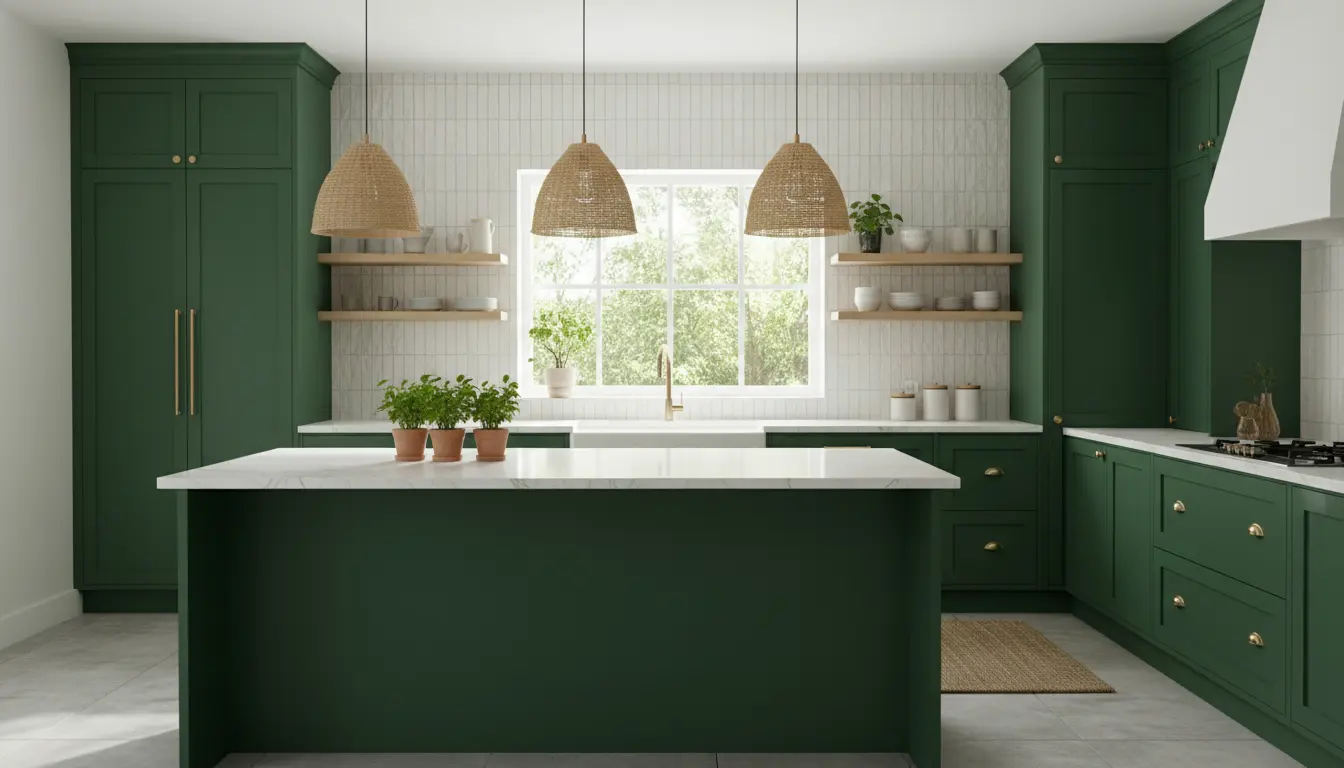
Green kitchen cabinets give you a confident way to refresh your kitchen with color, character, and long term appeal. This page helps you choose the right shade, finish, layout, and buying route so your kitchen feels stylish without becoming risky or overdesigned. With practical guidance, real life scenarios, and conversion focused comparisons, you can move from inspiration to a clear decision that suits your home, budget, and daily routine.
Why Green Kitchen Cabinets Are a Smart Design Choice
Green kitchen cabinets have moved beyond trend status because they solve a common design challenge: homeowners want a kitchen that feels personal, warm, and premium, yet still timeless enough to live with for years. Green does that exceptionally well. It connects naturally with wood, stone, brass, black hardware, white walls, and neutral flooring, which means it can transform a kitchen without forcing you to replace every surrounding element.
Unlike some bold colors, green can act almost like a neutral when the shade is selected carefully. Soft sage feels calm and airy. Olive adds warmth and maturity. Forest green creates a rich, tailored look. Emerald delivers a confident statement in a compact bar area, kitchen island, or full cabinetry scheme. This range gives you flexibility whether your home is modern, farmhouse, urban, classic, or Scandinavian inspired.
Main Benefits of Choosing Green Kitchen Cabinets
They Add Instant Character
White and grey kitchens can be beautiful, but many homeowners worry they will feel too safe or too similar to everyone else’s home. Green cabinets introduce depth and personality while still feeling connected to nature. The result is a kitchen that looks considered rather than generic.
They Work With Existing Materials
Green pairs well with a wide range of finishes. If you already have oak flooring, a marble effect countertop, brass handles, matte black taps, or cream walls, there is likely a green tone that will complement the space. This makes green a practical option for partial renovations, cabinet replacements, or phased upgrades.
They Support Both Calm and Drama
A pale pistachio or sage green can make a compact kitchen feel brighter and softer. A deep olive or forest green can make a large kitchen feel grounded and luxurious. That adaptability is one of the biggest reasons green kitchen cabinets convert browsers into buyers: the same color family can serve very different lifestyles.
They Can Increase Perceived Value
A well designed green kitchen often feels bespoke. When paired with quality cabinet fronts, durable finishes, and thoughtful hardware, it can make the entire room appear more premium. For homeowners preparing to sell, this can help the kitchen feel memorable without alienating buyers.
Which Green Shade Fits Your Kitchen?
The best green depends on light, room size, flooring, worktops, and the emotional effect you want. Before choosing, look at your kitchen in morning light, afternoon light, and artificial evening light. Green can shift noticeably depending on surroundings, so samples and comparisons are essential.
- Sage green: Ideal for small kitchens, open plan homes, and calm family spaces. It pairs beautifully with white, cream, oak, and brushed brass.
- Olive green: A strong choice for warm interiors, rustic kitchens, and homes with natural stone or timber features.
- Forest green: Perfect for a dramatic yet classic effect, especially with marble, quartz, dark hardware, or warm metallic accents.
- Mint or pistachio green: Fresh and playful, often effective in compact apartments, galley kitchens, or retro inspired spaces.
- Emerald green: Best for homeowners who want a jewel like focal point, often on an island, pantry wall, or statement cabinetry run.
Our USP: A Practical Route From Inspiration to Purchase
Many visitors arrive with saved images but no clear plan. The difference between a beautiful idea and a successful kitchen is the decision process. We help you think through the parts that matter most before you buy: cabinet construction, finish durability, layout, color balance, and installation expectations.
If you are still comparing cabinet types, start with a broad overview of kitchen cabinets so you understand materials, styles, and buying options. If budget is your biggest concern, review kitchen cabinets cost to see what affects the final price. When you are ready to source options, explore where to buy kitchen cabinets with confidence.
What Makes a Green Cabinet Scheme Feel Premium?
A premium result rarely comes from color alone. It comes from balance. Choose a green tone that works with the fixed elements you are keeping, then support it with finishes that make the color look intentional.
- Use texture: Pair matte green cabinets with veined stone, glazed tile, wood shelves, or woven stools.
- Control contrast: Deep green looks elegant with light countertops, while pale green benefits from warm wood or dark accents.
- Upgrade hardware: Brass, bronze, black, or brushed nickel handles can shift the style from country to contemporary.
- Plan lighting: Under cabinet lighting and warm pendants prevent darker greens from feeling heavy.
- Keep walls balanced: Soft white, warm neutral, or muted plaster tones let the cabinetry remain the hero.
Green Cabinets Compared With Other Popular Choices
Choosing green does not mean ignoring other proven cabinet colors. It helps to compare the emotional and practical effect of each option.
Green Versus White Cabinets
White cabinets are bright, classic, and easy to style. However, they can feel plain if the room lacks texture. Green cabinets offer more character while still staying elegant, especially when paired with light countertops. If you love white but want more depth, consider white upper cabinets with green lower cabinets or a green island.
Green Versus Grey Cabinets
Grey cabinets are understated and modern, but some shades can feel cool or flat. Green brings a more organic quality. In north facing kitchens, sage or olive can feel warmer than grey, especially with wood flooring and cream walls.
Green Versus Blue Cabinets
Blue cabinets often feel crisp, coastal, or formal. Green tends to feel more natural and grounded. If you want a kitchen that connects with garden views, indoor plants, timber beams, or stone surfaces, green may feel more harmonious.
Painted Green Versus Factory Finished Green
Painting existing cabinets can be cost effective when the cabinet boxes are in good condition. A factory finished cabinet, however, often gives better consistency, durability, and a smoother professional surface. For high traffic family kitchens, the finish quality matters as much as the shade.
Practical Scenarios: How Green Kitchen Cabinets Work in Real Homes
Scenario: The Small Apartment Kitchen
In a compact galley kitchen, a pale sage cabinet front with a light countertop can keep the room open while adding personality. Choose slim handles, integrated storage, and reflective tiles to prevent the color from closing in the space. Add a washable runner or natural wood stools for warmth.
Scenario: The Family Kitchen
For a busy family kitchen, olive green lower cabinets are practical because they hide minor marks better than very pale colors. Pair them with lighter upper cabinets, durable worktops, and easy clean splashbacks. This gives a lived in, welcoming feel without sacrificing function.
Scenario: The Luxury Open Plan Kitchen
In an open plan space, forest green or deep emerald can make the kitchen feel like furniture rather than a purely practical zone. Use a large island, statement pendants, and integrated appliances for a cohesive look. Brass or bronze hardware adds warmth, while marble effect counters create a polished finish.
Scenario: The Color Cautious Homeowner
If you like green but are nervous about commitment, begin with the island, pantry doors, or lower cabinets only. This approach contains the color while still delivering a strong design update. It also lets you keep upper cabinets light, which is useful in smaller or darker rooms.
Social Proof: Why Homeowners Keep Choosing Green
Interior designers frequently recommend green because it photographs beautifully, feels connected to nature, and adapts to both old and new homes. Homeowners often report that green makes their kitchen feel calmer, warmer, and more finished. It is also a color guests notice for the right reasons: it feels stylish, not loud.
Across design inspiration platforms, the most saved green kitchens often share the same ingredients: a carefully chosen shade, good lighting, quality hardware, and a supporting palette of natural textures. This proves an important point. You do not need an extravagant kitchen to make green work; you need a clear plan and the right combinations.
How to Choose the Right Finish
The finish affects both appearance and maintenance. A matte finish looks soft, modern, and refined, but it should be easy to clean in a kitchen environment. Satin finishes are often a balanced choice because they reflect a little light and are practical for daily use. Glossy green can be striking, especially on an island or bar area, but it shows fingerprints more easily.
- Matte: Elegant, calm, and ideal for contemporary spaces.
- Satin: Practical, versatile, and suitable for most households.
- Gloss: Bold, reflective, and best for statement areas.
- Textured wood grain: Warm and natural, especially in olive or muted green tones.
Common Mistakes to Avoid
The biggest mistake is choosing a shade from a screen alone. Green changes under different lighting, and a tone that looks soft online may appear too grey, too yellow, or too dark in your home. Always compare samples near your countertop, flooring, and wall color.
Another mistake is using too many competing statement elements. If the cabinets are deep green, let them lead. Keep surrounding finishes supportive rather than busy. Finally, do not ignore storage and layout. Beautiful color cannot compensate for cabinets that do not suit how you cook, store, clean, and move through the room.
Conversion Checklist Before You Buy
Use this checklist to move from inspiration to a confident purchase decision.
- Define the mood: Calm, classic, dramatic, rustic, or modern.
- Check fixed finishes: Flooring, countertop, wall color, appliances, and lighting.
- Choose the shade family: Sage, olive, forest, mint, pistachio, or emerald.
- Select the finish: Matte, satin, gloss, or textured.
- Compare hardware: Brass for warmth, black for contrast, nickel for restraint.
- Plan the layout: Full green cabinetry, lower cabinets only, island only, or mixed tones.
- Review budget: Include cabinets, installation, hardware, worktops, and finishing details.
- Request samples: View them at different times of day before committing.
Ready to Create a Kitchen That Feels Personal and Valuable?
Green kitchen cabinets can turn a functional room into the heart of the home. They offer color without chaos, warmth without heaviness, and individuality without sacrificing resale appeal. Whether you want a subtle sage refresh or a deep forest green statement, the right cabinet choice can make the entire kitchen feel more complete.
Take the next step today: compare cabinet styles, review your budget, and shortlist the green shades that work with your home. A confident choice now can give you a kitchen you enjoy every day.
Green kitchen cabinets combine timeless appeal, natural warmth, and strong design impact. From soft sage to rich forest green, they work in small apartments, family kitchens, and premium open plan spaces. The key is choosing the right shade, finish, hardware, and layout for your home. If you want a kitchen that feels distinctive, practical, and valuable, start comparing options now and turn your inspiration into a confident purchase.
Frequently Asked Questions About Green Kitchen Cabinets
Are green kitchen cabinets just a passing trend?
Green kitchen cabinets are popular, but they are not only a trend. Softer shades such as sage and olive behave like warm neutrals, while deeper greens feel classic with stone, wood, and brass. The key is avoiding overly harsh tones and choosing a shade that complements your home’s fixed finishes.
What countertop colors work best with green kitchen cabinets?
Light quartz, marble effect surfaces, warm wood, cream stone, and soft concrete tones all work well with green kitchen cabinets. Pale greens pair beautifully with oak and white counters, while forest or emerald green often looks more balanced with light stone. Always test cabinet samples beside your chosen countertop.
Will dark green cabinets make my kitchen feel smaller?
Dark green can make a kitchen feel smaller if lighting is poor or every surface is dark. However, it can also create a luxurious, grounded look when balanced with light countertops, pale walls, glass, open shelving, or warm metallic accents. In small spaces, consider dark green lower cabinets only.
What hardware should I choose for green kitchen cabinets?
Brass and bronze hardware add warmth and are popular with olive, sage, and forest green. Matte black creates a sharper modern contrast, while brushed nickel feels more subtle and classic. Choose hardware based on the mood you want, but keep it consistent with taps, lighting, and appliance finishes.
Can I mix green kitchen cabinets with white or wood cabinets?
Yes, mixing green kitchen cabinets with white or wood is one of the safest ways to use color. Green lower cabinets with white uppers keep the room bright, while a green island with wood perimeter cabinets creates a natural focal point. This approach is ideal if you want impact without full commitment.
About the Author