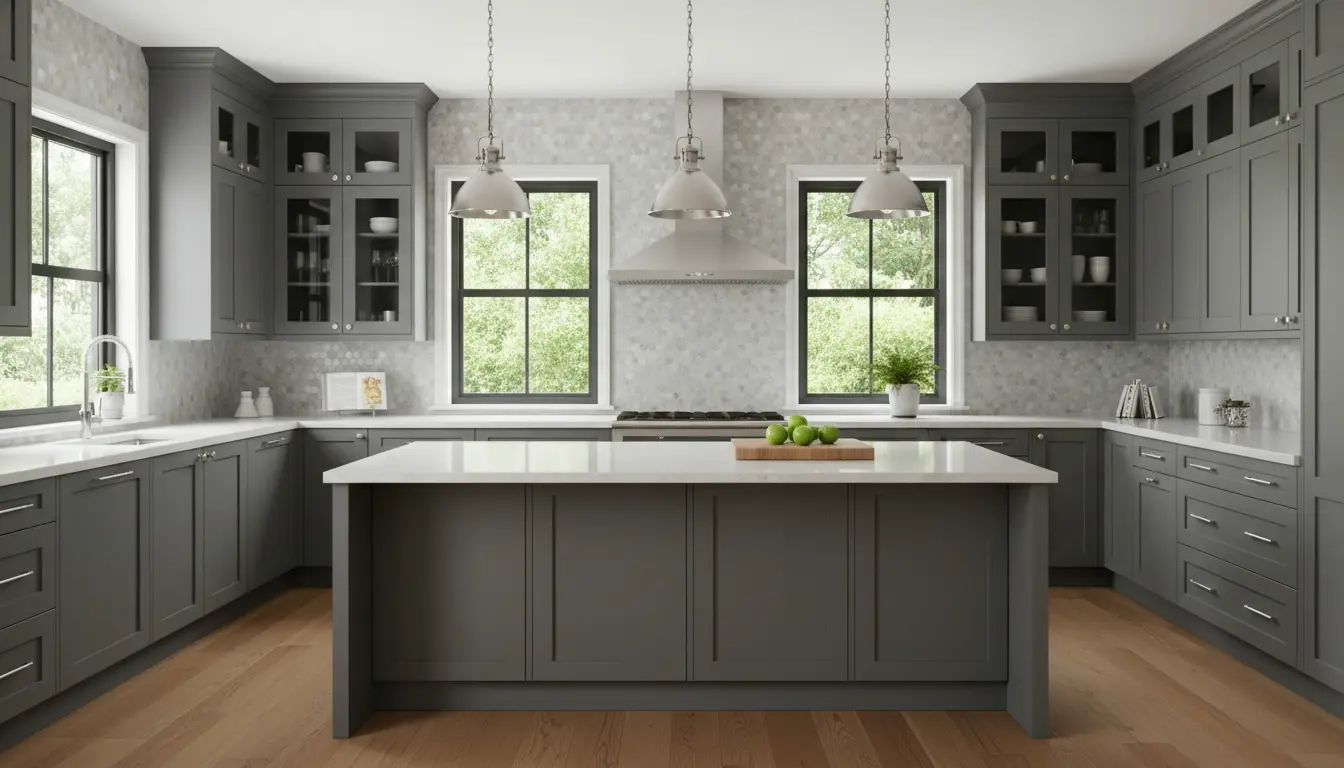
Looking for a timeless update that still feels fresh? Grey kitchen cabinets are the versatile, design-forward solution that solve color confusion, boost resale appeal, and pair effortlessly with most floors, countertops, and appliances. On this page, you’ll find expert guidance to choose the right shade and finish, clear cost expectations, and practical styling ideas that convert inspiration into a purchase decision—fast. Ready for a kitchen that looks high-end without the high stress? Let’s get started.
Why choose grey kitchen cabinets?
Grey kitchen cabinets bridge classic and contemporary like few colors can. They soften stark modern lines, calm busy family spaces, and introduce subtle depth where white can feel flat. Whether you love airy Scandinavian light grey or moody charcoal, grey flexes to your style and lighting—no drastic remodel required.
Key benefits
- Timeless appeal: Grey is trend-resistant yet current, supporting both traditional and modern kitchens.
- Pairs with anything: Works with white, black, wood tones, brass, chrome, and matte black hardware.
- Camouflages wear: Better than bright white at hiding fingerprints and micro-scratches.
- Resale-friendly: Neutral without being boring—great for future buyers.
- Budget-flexible: Looks premium even in cost-effective materials and finishes.
Which shade fits your space?
Choosing the right grey starts with natural light, room size, and the surrounding finishes.
Light greys (dove, pearl, mist)
Best for small kitchens, low natural light, and open-concept spaces that need brightness. Light grey cabinets keep the room feeling expansive and pair beautifully with white quartz, pale oak floors, and soft brass pulls.
Mid greys (smoke, flannel, stone)
Great for balancing warmth and contrast. Mid-tone grey kitchen cabinets can ground busy marble veining or wood textures without darkening the room. Add matte black handles and a white subway tile backsplash for crisp definition.
Dark greys (charcoal, graphite, slate)
Striking and sophisticated—ideal for larger rooms or spaces with generous daylight. Combine dark grey kitchen cabinets with white or light-veined countertops, warm wood accents, and soft under-cabinet lighting to prevent a heavy look.
Undertones matter
- Blue undertone: Feels cool and coastal; complements stainless steel and chrome.
- Green undertone: Earthy and calming; pairs with natural stone and walnut.
- Warm greige: Adds coziness; perfect with brass, oak, and cream walls.
Tip: Test two to three sample doors in your lighting across morning, afternoon, and evening. Undertones shift throughout the day.
Finishes, door styles & hardware
Finishes
- Matte: Contemporary, fingerprint-friendly, excellent for dark greys.
- Satin: Versatile, easy to clean, adds subtle sheen without glare.
- High gloss: Reflective and modern; great in smaller spaces with light greys.
- Textured thermofoil or laminate: Cost-effective and durable when paired with the right edge detail.
Door styles
- Shaker: Clean lines that suit nearly every home—still the safest, most loved option.
- Flat panel: Seamless modern look; shows off perfect reveals and hardware.
- Recessed panel with bead: Elegant twist on classic styling; ideal for warm greys.
Hardware picks
- Brass or champagne: Warms cool greys and elevates shaker doors.
- Matte black: Bold contrast on light to mid greys; sharp and contemporary.
- Brushed nickel: Pairs with stainless appliances for a unified palette.
Design combos that always work
Light grey + white quartz + oak floors
A bright, welcoming trio for family kitchens. Add soft brass pulls and warm LED strips under cabinets to keep shadows off prep zones.
Mid grey + white subway tile + matte black pulls
Clean and graphic. Choose a slightly warmer paint on walls to avoid a sterile look. Great with butcher-block islands for tactile balance.
Charcoal grey + marble-look quartz + walnut accents
High contrast, high drama, low maintenance. Swap real marble for stain-resistant quartz with subtle veining to keep the look luxe and practical.
Two-tone with white uppers + grey lowers
Lightens the visual mass while anchoring the room. Works particularly well with open shelves or glass-front uppers to showcase dinnerware.
Cost, value & budgeting tips
Pricing varies by material (MDF, plywood, hardwood), finish, and construction (stock, semi-custom, custom). Stock and semi-custom grey kitchen cabinets often deliver the best value for most homes without compromising style.
- Stock: Fast lead times, limited sizes, very cost-effective.
- Semi-custom: Wider size and finish options; sweet spot for value and fit.
- Custom: Tailored to exact needs, premium materials and finishes.
Want a clear picture before you shop? Explore this straightforward kitchen cabinet cost breakdown to set a smart, realistic budget.
Budget-savvy upgrades
- Invest in doors and drawer fronts first; you see and touch them daily.
- Choose soft-close hinges and slides for a premium feel without a huge spend.
- Opt for satin or matte to minimize fingerprints on darker greys.
- Mix glass-front accents or floating shelves to reduce the total number of cabinet boxes.
Grey vs. white vs. black: a quick comparison
- Grey: Balanced, versatile, forgiving; adapts to many finishes and lighting conditions.
- White: Bright and classic but can feel stark; shows dirt more quickly.
- Black: Dramatic and chic; needs strong lighting and dust control.
If you’re undecided, grey is often the safest and most future-proof middle ground.
Social proof: what homeowners love
- “It looks designer without trying.” Grey reads upscale even with simple shaker doors.
- “Easy to style for seasons.” Swap textiles and hardware tones to refresh the room instantly.
- “Kinder to real life.” Families appreciate how mid greys hide fingerprints and smudges.
Pro tip: Collect three photos you love and note common threads—door style, hardware color, countertop tone. Use those as your decision anchors.
How to buy with confidence
1) Define your palette
Choose your cabinet shade first, then coordinate counters, backsplash, and hardware. Keep undertones consistent (cool with cool, warm with warm) to avoid clashes.
2) Order samples
Test cabinet doors next to your existing floors, walls, and appliances. Live with them for a week to judge color shifts and sheen under real lighting.
3) Confirm layout and storage
Upgrade where it matters: deep drawers for pots, pull-out trash, tray dividers, and a spice pull-out beside the range. Smart storage beats extra boxes.
4) Finalize budget
Allocate more budget to doors, drawer fronts, and slides; save on rarely-seen cabinet interiors. For a crash course, visit our practical kitchen cabinets guide.
5) Place your order
Time your purchase around promotions and confirm lead times before scheduling contractors. When you’re ready, you can confidently buy kitchen cabinets with finishes and hardware that match your plan.
Care and maintenance
- Wipe spills quickly to prevent mineral spots, especially on matte dark greys.
- Use a soft cloth and mild soap; avoid harsh abrasives and ammonia.
- Install door bumpers and soft-close hardware to reduce wear.
- Consider touch-up paint or color-matched repair kits for small dings.
Common scenarios and solutions
Small apartment kitchen
Pick light grey flat-panel doors, glossy backsplash, and integrated lighting to bounce light around. Keep hardware slim and use open shelving to reduce visual weight.
Family home with heavy use
Choose mid grey shaker fronts in a satin finish and durable quartz countertops. Add deep drawers by the range and a pull-out trash near the sink to streamline cleanup.
Entertainer’s island
Go two-tone: white perimeter cabinets with a charcoal grey island, waterfall quartz, and warm brass pendants. This anchors the space and photographs beautifully.
Grey kitchen cabinets deliver style, flexibility, and value—without the guesswork. From shade selection to finishes, hardware, and budgeting, you now have a clear roadmap to a designer look that suits real life. Ready to take the next step? Compare options in our guides, set your budget with confidence, and buy kitchen cabinets you’ll love living with.
Are grey kitchen cabinets going out of style?
No. Grey kitchen cabinets remain a long-term neutral because they bridge modern and traditional looks. They adapt to changing trends with simple tweaks—swap hardware, update lighting, or refresh the backsplash—so you keep the core investment while evolving the vibe.
Should I choose light or dark grey cabinets?
Match shade to your light and room size. Light grey cabinets brighten small or low-light spaces; dark grey shines in larger, well-lit rooms. If you’re unsure, start with mid grey—it balances contrast, hides fingerprints better than white, and coordinates with most countertops.
What countertops pair best with grey kitchen cabinets?
White or marble-look quartz is a fail-safe with any grey. For warmth, add butcher block or light oak. Prefer drama? Charcoal cabinets with subtle-veined white quartz offer striking contrast. Keep undertones consistent—cool greys with cool veining, warm greys with creamy stone.
Are painted grey cabinets durable enough for families?
Yes—if you choose quality finishes. Factory-finished or catalyzed paints outperform on-site paint jobs for durability. Opt for satin or matte to minimize fingerprints, add soft-close hardware, and use gentle cleaners. Mid greys are especially forgiving in high-traffic kitchens.
Will grey kitchen cabinets help resale value?
Typically, yes. Grey kitchen cabinets are broadly appealing, reading modern yet timeless. They let buyers imagine their own style with minimal changes. Paired with neutral countertops and updated hardware, they create a move-in-ready impression that supports stronger offers.
About the Author