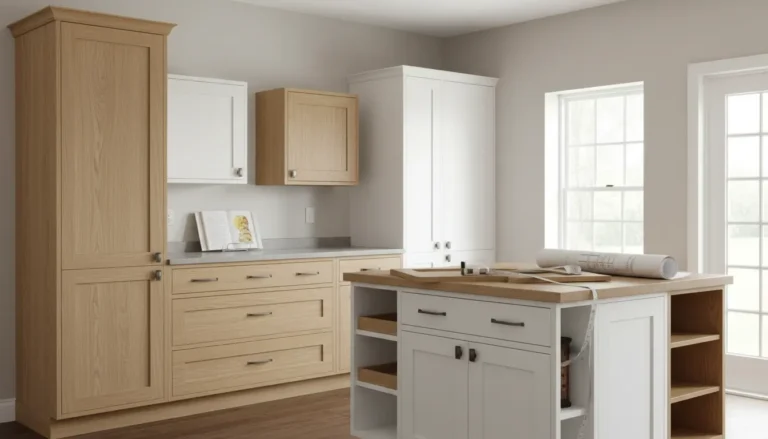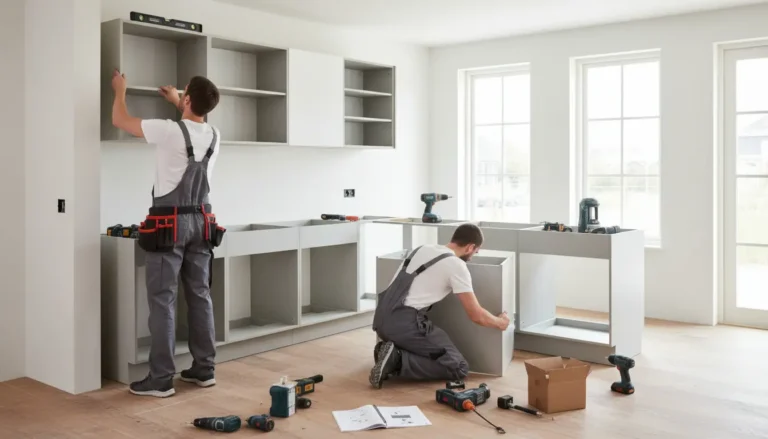
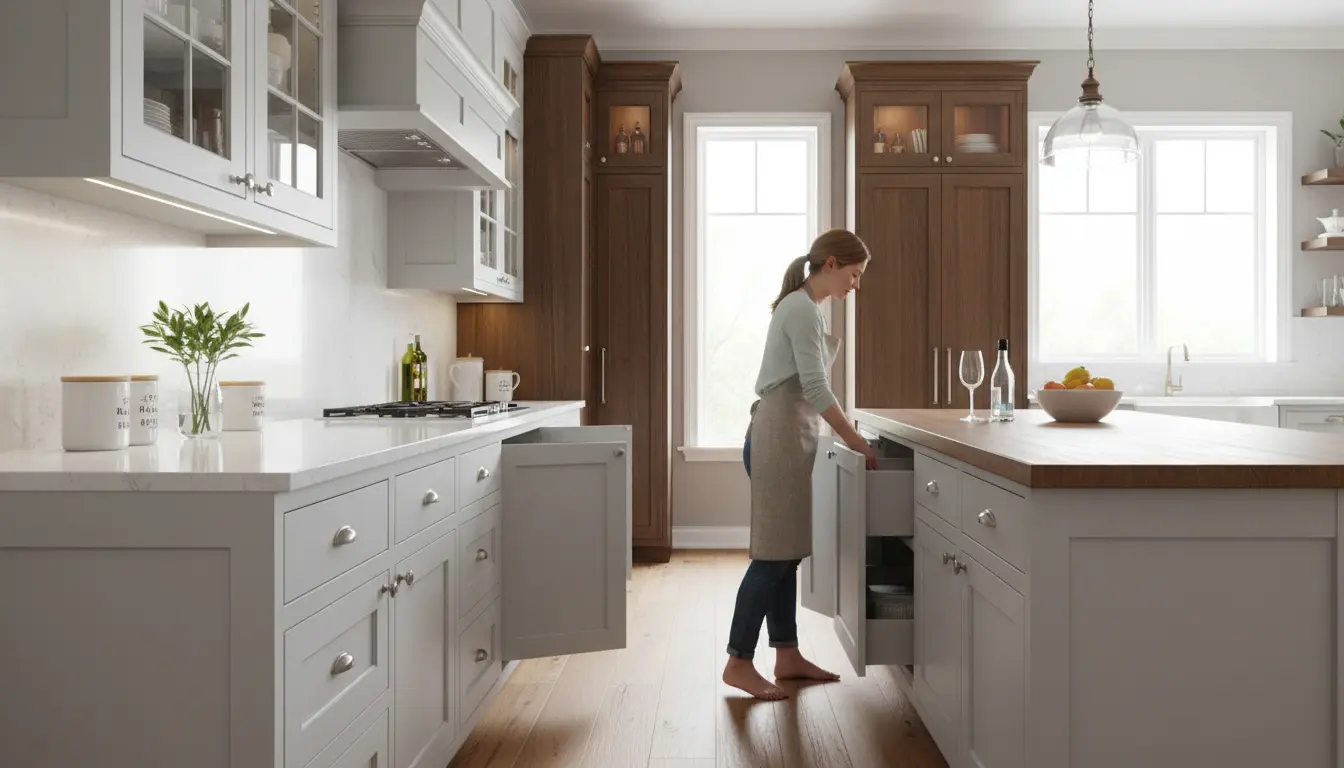
Kitchen cabinets depth determines how comfortably your kitchen stores, works, and fits modern appliances. This page helps you choose the right cabinet depth before you buy, so you avoid wasted space, awkward doors, poor appliance clearance, and costly redesigns. With practical sizing guidance, smart layout examples, and buyer-focused recommendations, you can compare standard and deeper cabinet options with confidence and move toward a kitchen that feels more spacious, efficient, and built around the way you actually live.
Why Cabinet Depth Matters More Than Most Buyers Expect
Cabinet depth is not just a technical measurement. It affects how easily you reach your pans, whether your sink and tap fit correctly, how your worktop overhang looks, and whether your refrigerator, dishwasher, oven, and pull-out storage feel integrated rather than squeezed in. When the depth is wrong, even expensive cabinetry can feel frustrating in daily use.
Most kitchen buyers focus first on doors, colors, and finishes. Those choices are important, but depth decides how practical the kitchen will be after installation. A deeper base cabinet can provide better storage for large cookware, food containers, small appliances, and cleaning products. A shallow wall cabinet may keep the room open, but it can limit what you can store above the worktop. The right choice depends on your space, lifestyle, appliance selection, and design goals.
Standard Kitchen Cabinets Depth Explained
In many kitchens, base cabinets are commonly around twenty four inches deep, while wall cabinets are often around twelve inches deep. In metric-based planning, a base depth of around six hundred millimeters is widely used. These figures are useful starting points, but they should not be treated as the only correct solution. Modern kitchens often need extra planning because appliances, sinks, taps, waste systems, drawers, and internal organizers can all require more usable room.
A standard depth can work well when you have a compact kitchen, prefer a traditional layout, or need to preserve walking space. However, if you want wider drawers, integrated bins, large plates in upper units, or a flush-looking appliance wall, you may benefit from cabinets designed with more depth. Even a small increase can improve storage capacity and make the kitchen easier to use.
Base Cabinets
Base cabinets support the worktop and usually hold the heaviest items. This is where depth matters most. Deeper base cabinets allow better drawer organization, more flexible pan storage, and improved space for plumbing behind sinks. They also help when you want handleless fronts, because the visual line between cabinet and worktop can be planned more precisely.
Wall Cabinets
Wall cabinets are often shallower so they do not feel intrusive at eye level. That said, many homeowners now prefer deeper wall units in selected areas, especially near tall cabinetry or pantries. Deeper overhead cabinets can store serving dishes, platters, large bowls, and seasonal items that otherwise crowd the lower cabinets.
Tall Cabinets and Pantry Units
Tall units need careful depth planning because they often sit near refrigerators, ovens, coffee stations, and pantry pull-outs. A poorly matched depth can create uneven lines or make an appliance look like an afterthought. When planned well, a tall cabinet run creates a clean, premium wall of storage that increases both capacity and visual calm.
What You Gain With the Right Depth
Choosing the correct Kitchen cabinets depth gives you benefits you notice every day. It is not only about adding volume; it is about making every movement in the kitchen smoother. You open drawers without obstruction, store everyday items where you use them, and reduce clutter on the worktop.
-
More usable storage: deeper cabinets can hold larger cookware, appliances, food storage boxes, and pantry goods without awkward stacking.
-
Better appliance planning: refrigerators, dishwashers, ovens, cooktops, and washing machines can be matched with cabinetry more accurately.
-
Improved worktop function: the right depth gives you more preparation space and a cleaner front overhang.
-
Stronger visual alignment: cabinet fronts, side panels, tall units, and appliances can sit in a more intentional layout.
-
Greater long-term value: a kitchen that works beautifully is easier to live with and more attractive to future buyers.
When a Deeper Cabinet Is the Smarter Choice
A deeper cabinet is especially useful when your current kitchen feels full even after decluttering. For example, a family that cooks most nights may need deep drawers for pots, mixing bowls, lunch boxes, and baking trays. A couple renovating a compact apartment may want fewer visible items on the counter, so extra internal storage becomes valuable. A homeowner choosing a large modern sink may also need more depth for plumbing and tap clearance.
Deeper cabinets can also solve layout challenges. If your refrigerator is deeper than your current cabinetry, the room can look uneven. Increasing the surrounding cabinet depth can make the appliance feel built in. If you are planning pull-out waste bins, internal drawers, spice systems, or corner solutions, the additional space can make these features more comfortable to use.
For more inspiration on storage-focused layouts, visit kitchen cabinet storage ideas. If you are still comparing cabinet types and styles, the main kitchen cabinets guide can help you narrow the options before you request a quote.
When Standard Depth Still Makes Sense
Deeper is not automatically better. A standard cabinet depth can be the right choice in a narrow galley kitchen, a rental renovation, a utility corner, or any room where walking space is limited. If the aisle between two cabinet runs becomes too tight, the kitchen may feel crowded even if storage improves. Good planning balances capacity with movement.
Standard-depth wall cabinets also remain practical in many designs. They keep the area around your face and shoulders open while you prepare food. If you have low ceilings, a small window, or a compact work zone, shallower overhead units can make the room feel lighter. The goal is not to choose the deepest possible cabinet, but the depth that supports the best daily experience.
Comparing Standard and Deeper Cabinets
Standard cabinets are often easier to source and may suit many off-the-shelf layouts. They are predictable, budget-friendly, and compatible with common worktop and appliance planning. Deeper cabinets, by contrast, can offer a more tailored result. They may improve storage and help accommodate modern fixtures, but they should be measured and specified carefully.
Think of it this way: standard depth is a reliable foundation, while deeper depth is a performance upgrade when your layout justifies it. If your kitchen is mainly used for quick breakfasts and simple meals, standard dimensions may serve you well. If you cook often, entertain guests, buy in bulk, or want a cleaner integrated look, deeper cabinetry can be worth serious consideration.
Practical Scenarios Before You Buy
The Busy Family Kitchen
A household with children often needs storage for snacks, school lunch containers, oversized pans, cleaning supplies, and recycling. In this case, deeper base drawers and a well-planned pantry can prevent daily mess. Place frequently used items between the sink, cooktop, and refrigerator so the kitchen works naturally during busy mornings and evening meals.
The Compact Apartment
In a small kitchen, every inch matters. You may use standard base depth on one side to protect walking space, then add deeper tall storage on a single wall. This gives you extra pantry capacity without making the whole room feel compressed. Pairing smart cabinet depth with internal organizers can make a compact kitchen feel surprisingly generous.
The Design-Led Renovation
If you want a sleek, modern kitchen with handleless fronts and integrated appliances, depth planning becomes essential. Cabinet and worktop lines should be coordinated so doors, drawers, appliances, and panels look deliberate. Explore handleless kitchen cabinets if a clean architectural style is part of your plan.
Details That Influence the Best Depth
Before ordering, check the complete picture rather than one measurement in isolation. Cabinet depth works together with worktop depth, door style, handle projection, wall unevenness, appliance ventilation, plumbing, and electrical points. A beautiful design can fail if these practical details are ignored.
-
Handles or handleless fronts: handles may need extra overhang, while handleless systems need precise front alignment.
-
Sink and tapware: deeper sinks and modern taps may require more room behind or below the bowl.
-
Appliance ventilation: refrigerators and ovens often require clearance that must be respected to protect performance and warranty.
-
Drawer systems: full-extension drawers are most useful when depth, runner quality, and internal layout work together.
-
Walkway clearance: depth should never make the kitchen uncomfortable to move through.
Why Homeowners Choose a Guided Cabinet Plan
Many buyers arrive with a simple question: how deep should my cabinets be? The better answer starts with how you cook, what you own, which appliances you want, and how much space the room provides. A guided plan helps you avoid expensive assumptions. It also helps you compare cabinet offers fairly, because two kitchens may look similar while offering very different storage capacity and usability.
Homeowners often report that the biggest improvement after a well-planned renovation is not only the new appearance. It is the way the kitchen supports routines: unloading groceries, preparing dinner, reaching plates, hiding countertop clutter, and keeping cleaning items out of sight. That daily convenience is where the right cabinet depth pays off.
Ready to Choose With Confidence?
If you are comparing kitchen cabinets, do not make depth an afterthought. Measure your room, list your appliances, note the items you struggle to store, and decide where extra capacity would truly help. Then compare cabinet options based on function as well as finish. A kitchen should look good on installation day, but it should also feel effortless years later.
Use Kitchen cabinets depth as a buying criterion, not just a specification. When you are ready, request a design or quote that clearly confirms cabinet depth, worktop depth, appliance clearance, and storage features. That single step can save time, reduce uncertainty, and move you closer to a kitchen that fits your home perfectly.
The right Kitchen cabinets depth gives you better storage, smoother appliance integration, cleaner design lines, and a kitchen that feels easier to use every day. Standard depth suits many spaces, while deeper cabinets can unlock valuable capacity and a more tailored finish. Before you buy, compare your layout, appliances, worktop needs, and movement space. Choose cabinets planned around real life, then take the next step toward a smarter, better-fitting kitchen today.
Frequently Asked Questions
What is the standard Kitchen cabinets depth for base cabinets?
The standard Kitchen cabinets depth for base cabinets is commonly around twenty four inches, or about six hundred millimeters in many metric layouts. This works for many kitchens, but it is not universal. Sinks, taps, drawers, appliances, and handleless designs can all influence whether standard or deeper cabinets are the better choice.
Are deeper kitchen cabinets worth it?
Deeper kitchen cabinets can be worth it if you need more storage, want better appliance alignment, or use large cookware and internal organizers. They are especially helpful in family kitchens and modern designs. However, they should not reduce walkway comfort, so the room layout must be measured before choosing extra depth.
How deep should wall kitchen cabinets be?
Wall cabinets are usually shallower than base cabinets so the work area feels open and comfortable. Many layouts use a depth around twelve inches, though deeper wall units may be useful for plates, platters, and pantry-style storage. The best depth depends on ceiling height, worktop clearance, and how spacious the room feels.
Does Kitchen cabinets depth affect appliance fit?
Yes, Kitchen cabinets depth can strongly affect appliance fit. Refrigerators, dishwashers, ovens, cooktops, and washing machines all have different depth and ventilation needs. If cabinetry is planned without checking appliance specifications, the result may look uneven or restrict performance. Always confirm appliance dimensions before finalizing cabinet orders.
Should I choose standard or custom cabinet depth?
Choose standard depth if your space is compact, your appliance needs are simple, and you want a predictable layout. Consider custom depth if you want more storage, integrated appliances, special drawer systems, or a premium built-in look. The best choice balances budget, movement space, storage goals, and long-term daily comfort.
About the Author