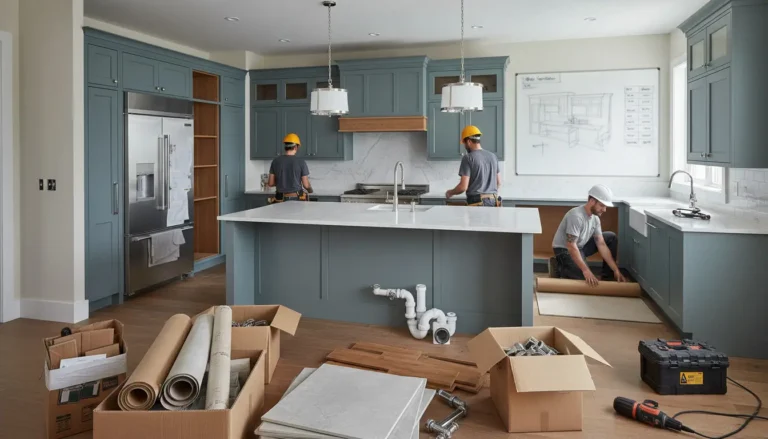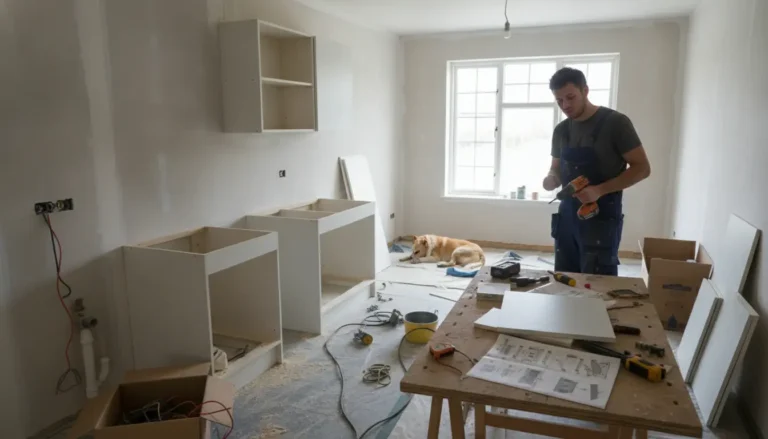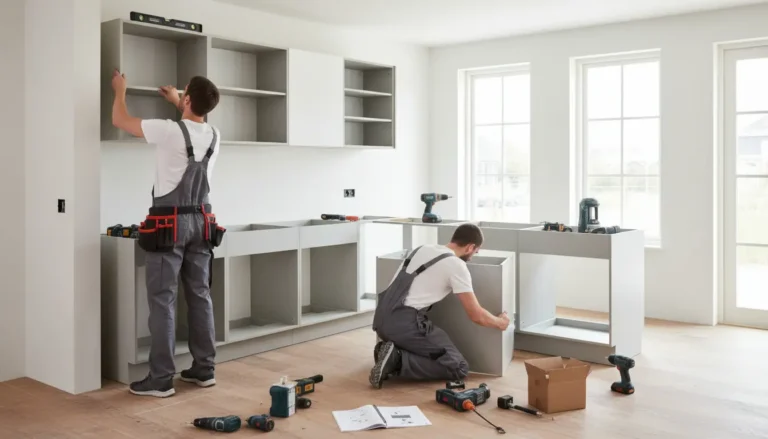
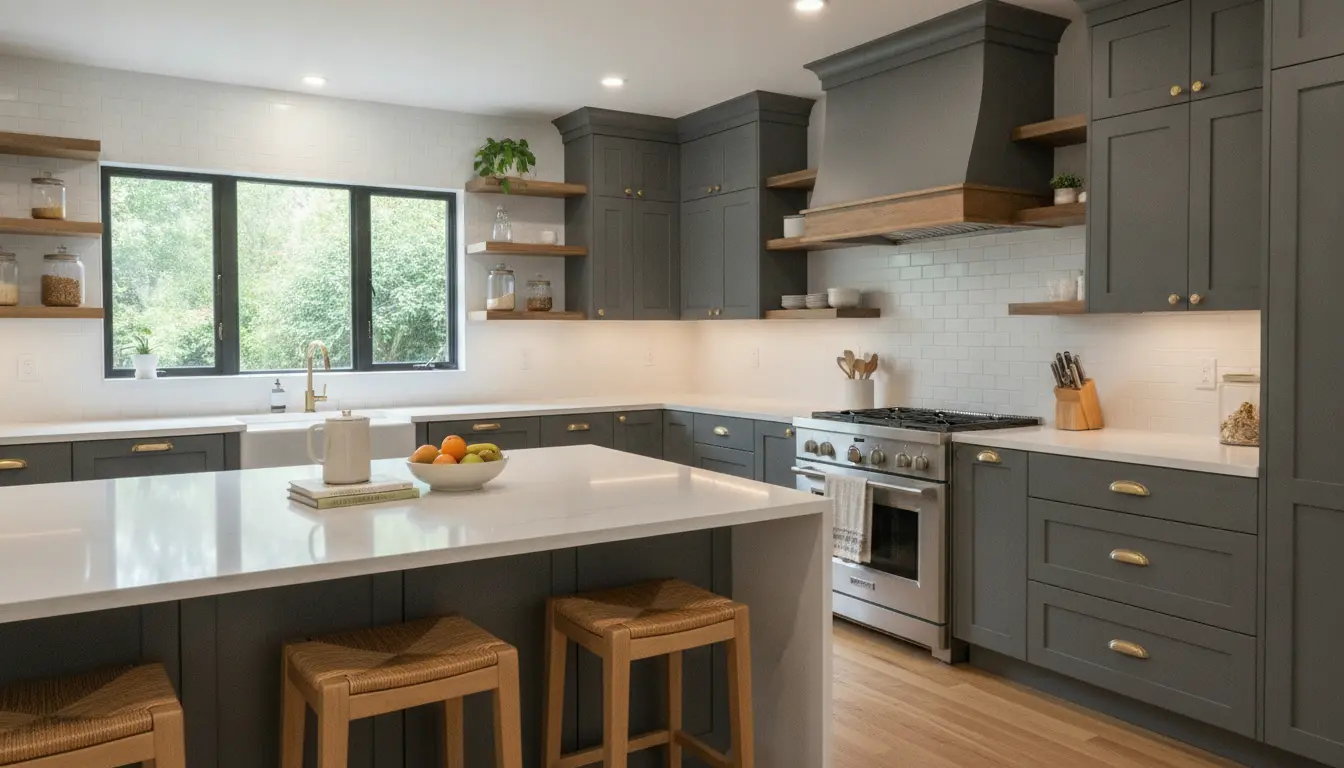
Kitchen cabinets remodel solutions help you transform a dated, inefficient kitchen into a space that looks refined, stores more, and supports everyday cooking. This page gives you a practical path from inspiration to confident decisions, with clear options for refacing, repainting, replacing, organizing, and upgrading hardware. With design focused guidance and buyer friendly recommendations, you can choose improvements that feel personal, add visible value, and make the next step easy.
Turn dated cabinets into a kitchen buyers notice
Your cabinets take up more visual space than almost anything else in the kitchen. When the doors look tired, the hardware feels loose, or the layout wastes storage, the whole room can feel older than it really is. A well planned Kitchen cabinets remodel solves those issues without forcing you into a complete kitchen rebuild. It gives you the chance to improve appearance, storage, workflow, and daily comfort in one focused project.
The best remodel starts with a simple question: what is not working today? Some homeowners struggle with cluttered drawers and cleaning supplies hidden in hard to reach corners. Others want a brighter look, a cleaner door style, or a layout that makes room for a coffee nook, pantry cabinet, or wider prep zone. Once the pain points are clear, every design choice becomes easier.
-
More usable storage: pull out shelves, drawer organizers, pantry sections, and vertical dividers help every item earn its place.
-
A fresher first impression: new fronts, paint, or updated finishes can make the kitchen feel carefully maintained.
-
Better daily movement: smart cabinet placement reduces bending, reaching, and crowded work areas.
-
Stronger resale appeal: clean, modern cabinets help buyers picture themselves using the kitchen right away.
Choose the smartest level of remodel
Not every kitchen needs the same solution. The right approach depends on the condition of the cabinet boxes, your budget, your timeline, and the style you want to achieve. If the frames are strong and the layout works, a lighter upgrade may be enough. If storage is poor or the boxes are damaged, replacement can be the better long term investment.
Refresh when the layout works
A refresh is ideal when the cabinet structure is solid but the look is outdated. This may include repainting, replacing handles, adding crown molding, changing hinges, or installing better interior organizers. For example, a plain builder grade kitchen can feel more custom with matte black pulls, soft neutral paint, and under cabinet lighting. This route is often fast, less disruptive, and useful for homeowners preparing to sell.
Reface when you want a new look without a full tear out
Refacing keeps the cabinet boxes in place while replacing doors, drawer fronts, and visible surfaces. It is a strong option when you like the current footprint but want a cleaner style, such as shaker fronts, slab doors, warm wood tones, or a two tone design. A family with good cabinet structure but worn oak fronts, for instance, can move toward a bright white and wood combination without removing every cabinet.
Replace when function must change
Replacement makes sense when the kitchen layout is no longer serving you. Maybe the corner cabinet is impossible to use, the drawers are too narrow for cookware, or there is no dedicated space for pantry goods. New cabinetry lets you add deeper drawers, a tall utility cabinet, a hidden trash pull out, or an appliance garage that keeps counters clear. If you are comparing materials, layouts, and styles, explore kitchen cabinets to understand the main options before committing.
Design choices that make the remodel feel premium
A successful cabinet remodel is not only about the door color. Small details determine whether the finished kitchen feels polished or unfinished. Hardware scale, door profile, storage inserts, lighting, and side panels all work together. The goal is a cohesive result that looks intentional from every angle.
For a compact apartment kitchen, handleless doors or slim pulls can reduce visual clutter. White, light grey, or soft wood finishes can make the room feel wider. Add tall upper cabinets if ceiling height allows, then use drawer inserts to keep utensils, spices, and baking tools from spreading across the counter.
For a busy family kitchen, prioritize access. Deep drawers near the stove can hold pots and pans. A pull out cleaning supply cabinet keeps sprays, cloths, and brushes in one visible place. A pantry cabinet with adjustable shelves helps snacks and dry goods stay organized. If storage is your biggest concern, see ideas for kitchen cabinets storage and choose upgrades that solve real daily frustrations.
For a resale focused remodel, keep the design widely appealing. Neutral cabinet colors, simple door profiles, quality hinges, and durable finishes create confidence. A buyer may not share your taste in bold colors, but most buyers appreciate clean lines, smooth drawers, and well planned storage. That is why a balanced look often performs better than a highly personal statement.
What makes a guided cabinet remodel easier
Many homeowners begin with inspiration boards and then feel stuck. There are countless paint colors, door styles, handles, shelves, and layout choices. The difference between browsing ideas and making a confident decision is having a clear process. A strong remodel plan narrows the options, checks the practical details, and connects style with budget.
-
Clear priorities: decide whether appearance, storage, resale value, or speed matters most.
-
Material clarity: compare solid wood, plywood, medium density fiberboard, laminate, and painted finishes based on use and maintenance.
-
Budget awareness: separate must have improvements from nice to have upgrades before ordering.
-
Measured planning: confirm dimensions, appliance clearances, door swings, and drawer access early.
-
Style consistency: coordinate cabinet color with flooring, counters, backsplash, lighting, and wall paint.
This approach helps avoid expensive regrets. For example, choosing oversized handles may look attractive in a showroom but feel awkward on narrow drawers. A dark cabinet color can look elegant, yet may make a small kitchen feel smaller unless balanced with light counters and proper lighting. A corner cabinet can waste space unless fitted with a smarter interior system. Good planning catches these details before installation.
Real life scenarios that guide better choices
Imagine a homeowner who loves cooking but has spices, pans, and cutting boards spread across three cabinets. A remodel focused on storage could add wide lower drawers, tray dividers, a spice pull out, and a dedicated prep zone. The kitchen would not only look better; it would work faster every evening.
Now picture a couple preparing to list their home. Their cabinets are structurally sound, but the finish is orange toned and the hardware feels dated. Refacing or repainting with a timeless shade, adding modern pulls, and replacing worn hinges can create a clean impression without overspending on changes buyers may later personalize.
Another common scenario is the growing household. The kitchen looked fine at first, but school bags, lunch boxes, cleaning products, and small appliances now compete for space. In that case, a tall pantry cabinet, a coffee station with hidden storage, and pull out organizers can make the kitchen calmer. The remodel becomes less about decoration and more about restoring control.
Compare your options before you invest
A paint only update usually has the lowest disruption and can create a dramatic visual change, but it will not fix damaged boxes or poor storage. Refacing costs more than paint, yet gives a more finished transformation when the layout is already good. Full replacement offers the greatest design freedom, though it requires more planning, time, and budget. The best value is not always the cheapest option; it is the option that solves the real problem for the longest time.
If you are setting a budget, compare what each choice includes. Labor, hardware, hinges, interior organizers, panels, finishing, and installation details can change the final amount. For a grounded overview, review kitchen cabinets cost before deciding which remodel path matches your goals.
Homeowners often notice the difference quickly
After a cabinet remodel, the most common reaction is relief. The kitchen feels cleaner because items finally have a place. Morning routines are easier because coffee supplies, breakfast items, and dishes are stored where they are used. Guests notice the updated finish before they notice the individual details. Buyers, when resale is the goal, often respond to the sense that the kitchen has been cared for.
The value is practical as much as visual. Soft close drawers reduce noise. Pull out shelves make back corners useful. Better lighting helps with food preparation. A coordinated color palette makes the room feel larger and more complete. These are the upgrades people experience every day, not just features they admire in photos.
Start with a plan that matches your kitchen
The fastest way to move forward is to define your current cabinet condition, your preferred style, and your budget range. Take photos of the full kitchen, open the cabinets, list what you store, and note what frustrates you most. Then choose whether refresh, reface, or replacement is the right direction.
If you want a kitchen that looks current, works harder, and supports the value of your home, now is the right time to plan your Kitchen cabinets remodel. Start with the cabinet areas that affect daily life most, then add design upgrades that make the space feel complete. A focused remodel can give you the transformation you want without unnecessary decisions, delays, or waste.
A Kitchen cabinets remodel can refresh the look of your kitchen, improve storage, simplify routines, and increase buyer appeal. Whether you repaint, reface, or replace, the strongest results come from matching the solution to your layout, lifestyle, and budget. Choose durable finishes, smart organizers, and a timeless style that feels right every day. Ready to create a kitchen that works beautifully? Start planning your cabinet remodel today.
Frequently asked questions
Is a Kitchen cabinets remodel worth it if I am selling soon?
Yes, a Kitchen cabinets remodel can be worthwhile before selling when the current cabinets make the kitchen feel dated or poorly maintained. Focus on buyer friendly updates such as clean paint, simple hardware, soft close hinges, and better organization. Avoid highly personal colors or expensive layout changes unless the existing cabinets are damaged or unusable.
Should I paint, reface, or replace my kitchen cabinets?
Choose paint when the boxes are solid and you mainly want a fresh look. Choose refacing when the layout works but the doors and visible surfaces look outdated. Choose replacement when storage, structure, or layout is the problem. The best Kitchen cabinets remodel option solves both visual and practical issues.
How can I add more storage during a cabinet remodel?
Plan storage around what you actually use. Add deep drawers for cookware, dividers for trays, pull out shelves for lower cabinets, and a tall pantry section for dry goods. A Kitchen cabinets remodel is also a good time to create a coffee station, cleaning supply cabinet, or hidden trash pull out.
What cabinet style is safest for long term value?
Simple, timeless styles usually offer the broadest appeal. Shaker doors, smooth slab fronts, neutral colors, warm wood tones, and quality hardware all age well. For a Kitchen cabinets remodel aimed at value, choose finishes that coordinate with counters, flooring, and lighting rather than chasing a trend that may feel dated quickly.
How do I keep the project from going over budget?
Start with a clear priority list and decide which problems must be fixed first. Measure carefully, compare material options, and include hardware, organizers, finishing, and installation in your budget. During a Kitchen cabinets remodel, changing door styles, colors, or layout late in the process is often what increases cost most.
About the Author