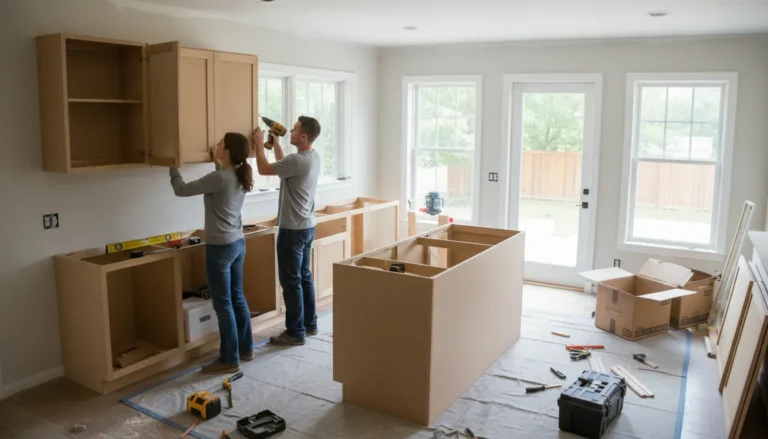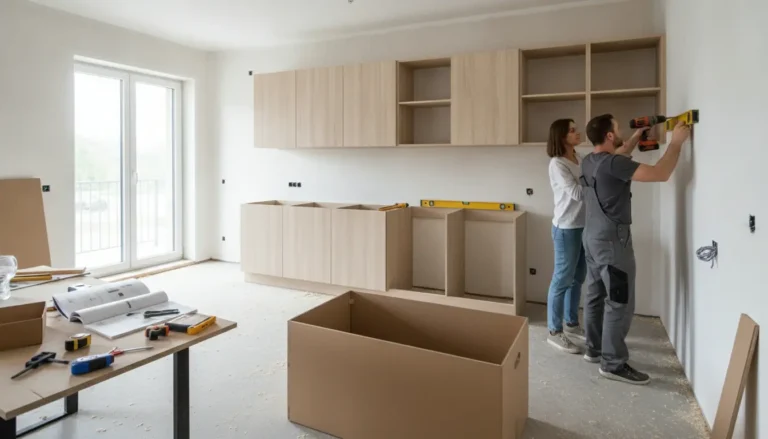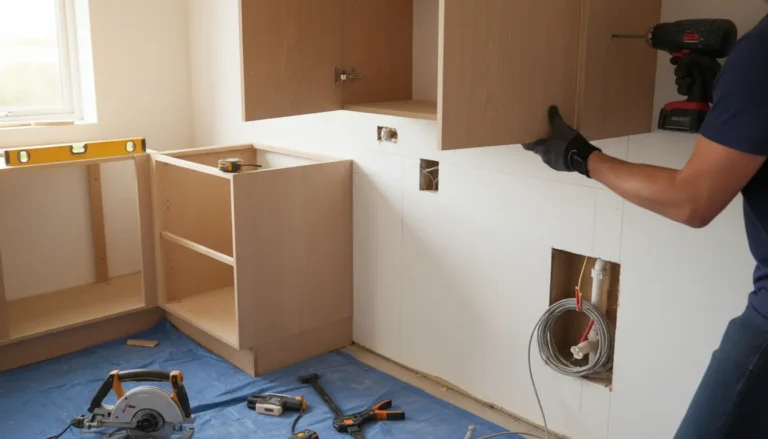

Kitchen cabinet removal and installation gives you a cleaner, safer, and more functional kitchen without the stress of managing demolition, alignment, hardware, and finishing yourself. This page helps you understand how professional cabinet removal and fitting work, what benefits to expect, and when it is the smarter choice than a quick repair. With careful planning, precise installation, and clear guidance, you can upgrade storage, improve daily workflow, and protect the value of your kitchen.
Remove the old, install the right way
Cabinets shape how your kitchen looks, feels, and functions every day. When doors sag, panels loosen, drawers stick, storage no longer works, or the layout makes cooking harder than it should be, replacing or reinstalling cabinetry can make the entire room feel new again. Professional Kitchen cabinet removal and installation is not just about taking boxes off a wall and putting new ones in their place. It is about protecting the surrounding surfaces, checking the structure, preparing the walls, setting cabinets level, securing them safely, and making sure every drawer, door, shelf, and pull-out works as intended.
A well-managed service saves time, reduces risk, and prevents expensive mistakes. Instead of struggling with hidden fixings, uneven floors, plumbing conflicts, damaged side panels, or misaligned base cabinets, you get a clear process from removal to final adjustment. The result is a kitchen that is more practical, more attractive, and easier to maintain.
Why a planned cabinet change makes the whole kitchen work better
Many homeowners start by noticing one small problem: a loose side panel, a drawer that will not come out smoothly, a base cabinet damaged by moisture, or a wall unit that no longer feels secure. These issues often point to a larger opportunity. Removing and reinstalling cabinets gives you the chance to improve the layout, modernize storage, and solve long-standing frustrations in one project.
-
Better storage: replace awkward shelves with drawers, pull-outs, pantry units, corner solutions, and organizers that make items easier to reach.
-
Improved safety: secure upper cabinets correctly, repair weak fixings, and avoid overloaded or unstable units.
-
Cleaner design: align cabinet fronts, refresh finishes, and create a more consistent look across the kitchen.
-
Smarter workflow: place storage near preparation, cooking, cleaning, and waste zones so the kitchen supports daily routines.
-
Better value: a neat, functional cabinet system can improve how buyers and guests perceive the whole home.
If you are comparing layouts or materials before committing, explore practical kitchen cabinets guidance to clarify styles, finishes, and storage choices.
Designed around real kitchens, not just showroom photos
Every kitchen has its own challenges. Some walls are not perfectly straight. Some floors slope slightly. Some cabinets were fitted around old pipework or hidden wiring. In apartments, access may be limited and noise needs to be controlled. In family homes, the kitchen may need to stay partly usable during the project. A strong removal and installation plan accounts for these realities before the first cabinet is moved.
What careful preparation includes
-
Checking cabinet sizes, wall conditions, floor levels, and appliance clearances.
-
Planning the removal order to reduce damage to tiles, worktops, splashbacks, and flooring.
-
Identifying areas where plumbing, electrics, ventilation, or waste systems may affect installation.
-
Confirming whether cabinets can be reused, repaired, replaced, or reconfigured.
-
Protecting nearby surfaces and arranging responsible disposal or reuse of removed units.
This attention to detail is especially important when replacing base cabinets under existing countertops, removing wall units near a microwave or extractor, or adjusting cabinets around sinks and dishwashers. A rushed approach can lead to chipped surfaces, uneven gaps, weak fixings, and doors that never close properly.
What happens during the service
A professional process makes the project predictable. You know what will happen, when decisions are needed, and how the finished kitchen should perform.
-
Assessment and planning: existing cabinets are reviewed, measurements are checked, and practical options are discussed. This is the right moment to decide whether you want like-for-like replacement, a new layout, extra storage, or updated finishes.
-
Safe removal: doors, drawers, shelves, panels, trim pieces, and cabinet boxes are removed in a controlled order. Fixings are released carefully so the surrounding kitchen is protected as much as possible.
-
Surface preparation: walls, floors, and support points are checked. Any damage, unevenness, or weak mounting areas can be corrected before new cabinets are fitted.
-
Accurate installation: base cabinets are leveled, wall cabinets are secured, units are aligned, and gaps are managed for a clean finish.
-
Final adjustment: hinges, drawer runners, handles, pull-outs, shelves, and doors are adjusted so the kitchen works smoothly from day one.
For a deeper look at the fitting stage, see this helpful guide to kitchen cabinet installation.
Practical scenarios where removal and installation pay off
A side panel has come loose
A fallen or loose side panel may look like a simple repair, but the real cause matters. Moisture damage, failed adhesive, poor fixing, movement, or a cabinet under stress can all cause panels to separate. Instead of only attaching the panel again, a proper inspection checks whether the unit is still square, whether the nearby cabinet is carrying weight correctly, and whether replacement is the more reliable long-term option.
Drawers need to be removed or upgraded
Many kitchens have base cabinets with old drawer runners that jam, tilt, or come out unevenly. Removing these drawers without knowing the mechanism can damage the tracks or cabinet frame. During cabinet removal and installation, you can upgrade to smoother runners, deeper drawers, or drawer inserts that improve everyday access to pans, cutlery, food containers, and cleaning supplies.
The trash and recycling area is in the wrong place
A poorly placed waste cabinet creates unnecessary steps during meal preparation and cleanup. When cabinets are being reworked, a pull-out trash unit can be positioned near the sink or prep zone, making daily use more efficient. This is a small design decision with a big effect on comfort, odour control, recycling habits, and workflow.
You want a stronger, cleaner rental or sale presentation
In rental properties and homes prepared for sale, tired cabinets can make the kitchen feel older than it is. Replacing damaged doors, reinstalling loose units, and aligning fronts can make the space appear cleaner and better maintained. For landlords, property managers, and sellers, this can reduce objections during viewings and improve perceived value.
Professional service compared with doing it yourself
Do-it-yourself removal can seem cost-effective, especially when the job looks straightforward. However, cabinets are often connected to more than you can see. A wall cabinet may hide difficult fixings. A base cabinet may be trapped beneath a countertop. A pantry unit may rely on exact leveling to prevent door problems. Professional removal and installation reduces the chance of accidental damage and helps the finished kitchen last longer.
|
Choice |
Best for |
Potential risk |
|---|---|---|
|
DIY removal |
Small, freestanding units with clear access |
Damaged walls, broken panels, poor disposal, or hidden service issues |
|
Basic repair |
Minor hinge, handle, or shelf problems |
Underlying cabinet weakness may remain unresolved |
|
Professional removal and installation |
Full upgrades, damaged cabinets, layout changes, wall units, and fitted kitchens |
Requires planning, but delivers a safer and more reliable result |
Cost is an important part of the decision. If you are budgeting for replacement, review kitchen cabinet cost guidance so you can compare material, labor, and installation factors with more confidence.
Details that separate a good result from a frustrating one
The difference between an average cabinet job and a professional-looking kitchen is often found in the details. Level base units make countertops sit properly. Plumb wall cabinets make doors line up. Correct spacing prevents appliances from rubbing against panels. Strong fixings reduce movement over time. Thoughtful storage placement makes cooking, cleaning, and unloading groceries easier.
-
Doors should open fully without hitting walls, handles, or appliances.
-
Drawers should glide smoothly even when filled with everyday items.
-
Wall cabinets should be fixed into suitable supports, not only into weak surfaces.
-
End panels, plinths, fillers, and trims should finish the design neatly.
-
Moisture-prone areas near sinks and dishwashers should be checked carefully.
These details matter because cabinets are used constantly. A beautiful kitchen that does not function well soon becomes a daily irritation. A precise installation supports both appearance and performance.
Confidence from a clearer process
Homeowners often feel most relieved when the project removes uncertainty. They want to know whether their current cabinets can be saved, how disruptive the work will be, what happens to the old units, and whether the new setup will fit their lifestyle. A good cabinet service answers these questions early and explains the trade-offs clearly.
For example, if your cabinet boxes are strong but the fronts are dated, you may not need a full removal. If water has damaged the sink base, replacing that unit may protect the countertop and nearby cabinets. If upper cabinets feel unsafe, professional refitting can be a priority before cosmetic upgrades. The best recommendation is the one that fits the condition of your kitchen, your budget, and your goals.
Make your next kitchen step easier
If your cabinets are loose, outdated, badly placed, or difficult to use, now is the right time to explore a better setup. Kitchen cabinet removal and installation can be part of a larger renovation, a focused replacement, or a practical repair-led upgrade. Start with the problem you want to solve: more storage, safer wall units, a cleaner design, better waste placement, smoother drawers, or a kitchen that is easier to sell or rent.
Take clear photos, note the problem areas, and think about how you use the kitchen on a normal day. Then compare your options with a professional plan that protects the space and delivers a durable finish. The right cabinet project does more than change the look of your kitchen; it makes every meal, cleanup, and storage task feel simpler.
Kitchen cabinet removal and installation is a smart way to improve safety, storage, layout, and style without leaving the result to chance. With careful removal, accurate fitting, and practical planning, your kitchen can work better and look cleaner for years. If your cabinets are damaged, outdated, or simply no longer suit your routine, take the next step today and plan a cabinet upgrade with confidence.
Frequently Asked Questions
How do I know if I need Kitchen cabinet removal and installation?
You may need Kitchen cabinet removal and installation if cabinets are loose, water damaged, badly aligned, difficult to use, or no longer fit your appliances and storage needs. A professional assessment can show whether repair, refacing, partial replacement, or full installation is the most practical and cost-effective choice.
Can existing cabinets be removed without damaging the kitchen?
In many cases, yes, but it depends on how the cabinets were fixed and what surrounds them. Wall tiles, countertops, splashbacks, flooring, plumbing, and electrical points all affect the removal method. Careful sequencing, surface protection, and the right tools greatly reduce the risk of damage during Kitchen cabinet removal and installation.
Is it better to repair a loose side panel or replace the cabinet?
A loose side panel can sometimes be repaired, but the cause should be checked first. Moisture, poor fixings, cabinet movement, or structural weakness may make replacement the safer option. Kitchen cabinet removal and installation lets you address the root problem instead of applying a short-term fix that may fail again.
Can I change drawer and trash cabinet placement during installation?
Yes, installation is an ideal time to improve drawer positions, pull-out storage, and trash or recycling placement. Moving waste storage closer to the sink or prep area can improve workflow and reduce mess. Kitchen cabinet removal and installation also allows better use of corners, base units, and pantry zones.
How should I prepare before the cabinet team arrives?
Clear countertops, empty cabinets, remove fragile items, and make sure there is access to the kitchen. Take photos of problem areas and note any appliances, plumbing, or electrical concerns. Before Kitchen cabinet removal and installation begins, confirm disposal plans, cabinet choices, timing, and any areas that need special protection.
About the Author