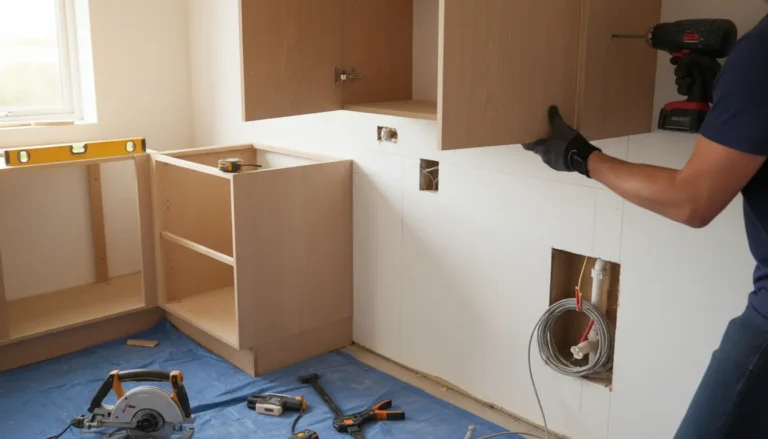

How much does it cost to install a kitchen? This page gives you a clear, practical answer by breaking down the main price factors, common scenarios, and smart ways to control your budget. Whether you are replacing cabinets, fitting a complete new layout, or planning a full renovation, you will learn what affects the final quote and how a professional installation can protect your investment, improve daily comfort, and help you avoid expensive surprises.
What Determines the Cost of Installing a Kitchen?
The cost of installing a kitchen depends on the size of the room, the quality of the cabinets, the complexity of the layout, the condition of the walls and floors, and whether plumbing, electrical, or gas connections need to be moved. A straightforward replacement where the new kitchen follows the same layout usually costs less than a full redesign with a new island, relocated sink, upgraded lighting, and custom storage.
A good installation quote should separate the major cost elements clearly. That means you should understand what is included for labour, cabinet fitting, worktop preparation, appliance connection, finishing, and waste removal. When every part is visible, it becomes much easier to compare offers and choose the option that gives the best long-term value.
If you want a deeper breakdown of expected pricing, you can compare related guidance on kitchen installation cost before requesting a final quote.
Typical Kitchen Installation Scenarios
Simple like-for-like replacement
This is often the most cost-efficient route. The sink, cooker, dishwasher, and extraction point stay in roughly the same position, so the installer can focus on removing the old kitchen, fitting new units, aligning doors, preparing worktops, and finishing edges. This scenario is ideal if your current layout already works but the kitchen looks tired or lacks modern storage.
Cabinet-focused installation
Many homeowners start with cabinets because they shape both the look and function of the kitchen. Standard flat-pack or modular cabinets are usually faster to install than bespoke units. Wall cabinets need secure fixing, base cabinets need accurate levelling, and corner units require careful adjustment so doors and pull-out mechanisms work smoothly. If cabinetry is the biggest part of your project, reviewing kitchen cabinets cost can help you set a realistic budget.
Full kitchen renovation
A full renovation costs more because it may involve demolition, new flooring, plastering, lighting, plumbing, electrical work, appliances, splashbacks, and decorating. The benefit is that you can solve deeper layout problems instead of simply replacing old units. For example, you might create a better cooking triangle, add more preparation space, improve ventilation, or make room for family seating.
Key Factors That Increase or Reduce the Price
Several choices have a direct effect on the final installation quote. The most important are:
-
Kitchen size: A larger kitchen requires more cabinets, longer worktops, more finishing, and more labour time.
-
Cabinet type: Standard cabinets are generally more affordable than custom-made units, tall larder units, or complex corner storage.
-
Worktop material: Laminate is usually easier to fit, while stone, quartz, and solid surfaces often require specialist measuring and handling.
-
Wall and floor condition: Uneven walls, weak plasterboard, damaged floors, or damp areas can add preparation work.
-
Utility changes: Moving a sink, hob, oven, extractor, dishwasher, or sockets can add plumbing and electrical costs.
-
Finishing level: Lighting, splashbacks, plinths, end panels, soft-close hinges, and integrated bins improve the result but add time and materials.
The lowest quote is not always the best value. A cheap installation can become expensive if units are not level, worktops are cut poorly, doors rub, appliances are badly connected, or hidden issues are ignored. A professional installer protects both the look and lifespan of your kitchen.
Why Professional Installation Is Worth Considering
A kitchen is one of the hardest-working rooms in the home. Cabinets carry weight, drawers are used daily, appliances generate heat and moisture, and worktops must be level and properly sealed. Professional fitting reduces the risk of movement, leaks, uneven gaps, and premature wear.
Experienced installers also spot issues early. They can identify walls that need reinforcement, floors that require levelling, plumbing that should be adapted, or measurements that need adjustment before materials are cut. This matters because small installation mistakes can lead to bigger costs later.
The practical advantages include:
-
Better alignment of cabinets, doors, drawers, and worktops.
-
Safer installation of heavy wall units and tall cabinets.
-
Cleaner finishing around plinths, panels, splashbacks, and appliances.
-
More reliable coordination between joinery, plumbing, and electrical work.
-
Clearer accountability if something needs adjustment after completion.
How to Compare Kitchen Installation Quotes
When comparing quotes, do not only look at the total price. Ask what is included, what is excluded, and what could trigger extra costs. A clear quote should mention removal of the old kitchen, preparation work, cabinet fitting, worktop installation, appliance connection, waste disposal, finishing, and expected timeline.
For example, one installer may include disposal of old units, while another may charge extra. One quote may include connecting a sink and dishwasher, while another may require a separate plumber. One company may finish trims and panels as standard, while another treats those as add-ons. These differences can make a lower initial price less attractive.
Ask these questions before you decide:
-
Does the quote include removing and disposing of the old kitchen?
-
Are plumbing, electrical, or gas works included or separate?
-
Who measures the kitchen before ordering?
-
What happens if the walls or floors are uneven?
-
Is there a warranty on the installation work?
-
How long will the kitchen be out of use?
Practical Ways to Keep Costs Under Control
You can reduce installation costs without choosing a poor-quality result. The most effective approach is to simplify where it matters least and invest where it matters most. Keeping the same layout saves money because water, gas, and electrical points remain in place. Choosing standard cabinet sizes can reduce both product and fitting costs. Preparing the room before the installer arrives can also shorten labour time.
Consider these cost-smart choices:
-
Keep the sink, hob, and major appliances in their current positions where possible.
-
Choose durable standard cabinets instead of bespoke units for every area.
-
Use premium finishes as accents rather than across the whole kitchen.
-
Remove loose items, clear access, and confirm deliveries before fitting starts.
-
Plan the project in advance rather than booking urgent weekend work.
If your kitchen project is part of a larger upgrade, you may also want to review kitchen renovation cost to understand how installation fits into the wider budget.
What a Smooth Installation Process Looks Like
A well-managed kitchen installation normally starts with measurement and planning. The installer checks wall strength, floor level, appliance positions, pipework, sockets, ventilation, and access. Then the old kitchen is removed, any preparation work is completed, and base units are positioned. Wall units follow, then worktops, panels, plinths, doors, handles, and final adjustments.
Appliances are usually fitted after the main cabinet structure is stable. Plumbing and electrical connections must be handled safely and in line with local requirements. The final stage is snagging: checking that doors align, drawers run smoothly, worktops are sealed, and visible edges are finished neatly.
Signs You Should Not Delay Installation or Replacement
Some kitchen problems are more than cosmetic. Sagging wall units, swollen cabinets near the sink, loose worktops, cracked tiles around wet areas, or repeated leaks can signal a higher risk of damage. Delaying repairs or replacement may increase the final cost because moisture can spread to floors, walls, and neighbouring cabinets.
If your current kitchen is difficult to clean, unsafe to use, or poorly laid out, a new installation can improve comfort immediately. Better storage reduces clutter, improved lighting makes food preparation easier, and a well-planned layout saves time every day.
Ready to Get a Clear Kitchen Installation Quote?
If you are still asking, how much does it cost to install a kitchen, the best next step is to define your scope and request a clear, itemised quote. Know your layout, preferred cabinet style, appliance needs, and finishing level. Then compare professional options based on value, reliability, communication, and what is included. A transparent quote helps you move forward with confidence and avoid budget stress.
Installing a kitchen is a major investment, but the right plan makes the cost easier to control. By understanding layout, materials, labour, utilities, and finishing choices, you can compare quotes with confidence and avoid hidden surprises. Professional fitting gives you a safer, cleaner, longer-lasting result. Ready to move from rough estimates to real numbers? Define your project and request a clear kitchen installation quote today.
Frequently Asked Questions
How much does it cost to install a kitchen in an average home?
How much does it cost to install a kitchen depends on size, layout, materials, and labour scope. A simple replacement costs less than a full redesign with plumbing, electrical, flooring, and premium worktops. The most reliable way to budget is to request an itemised quote that separates cabinets, labour, utilities, appliances, and finishing.
Why do kitchen installation quotes vary so much?
Quotes vary because installers may include different services. One quote might cover removal, disposal, cabinet fitting, worktops, and appliance connections, while another may only include basic fitting. Wall condition, custom cabinets, utility relocation, and finishing details also change the price, so always compare what is included rather than only the total.
Can I reduce how much it costs to install a kitchen?
Yes. Keep the existing layout, choose standard cabinet sizes, prepare the room before fitting, and avoid unnecessary utility moves. You can also handle simple decorating yourself if you are confident. Do not cut corners on structural fixing, plumbing, electrical work, or worktop sealing, as mistakes there can become expensive.
Is professional installation better than DIY kitchen fitting?
DIY can work for confident homeowners on simple tasks, but professional installation is usually better for full kitchens. Installers align units accurately, secure wall cabinets safely, manage awkward corners, and coordinate connections. This reduces the risk of uneven doors, leaks, unstable cabinets, and poor finishing that can affect daily use and resale appeal.
What should I ask before booking a kitchen installer?
Ask whether the quote includes removal, disposal, cabinet fitting, worktops, appliance connections, plumbing, electrical work, and final finishing. Also ask about timelines, warranty, payment terms, and what happens if hidden issues appear. These questions help you understand how much does it cost to install a kitchen in your exact situation.
About the Author