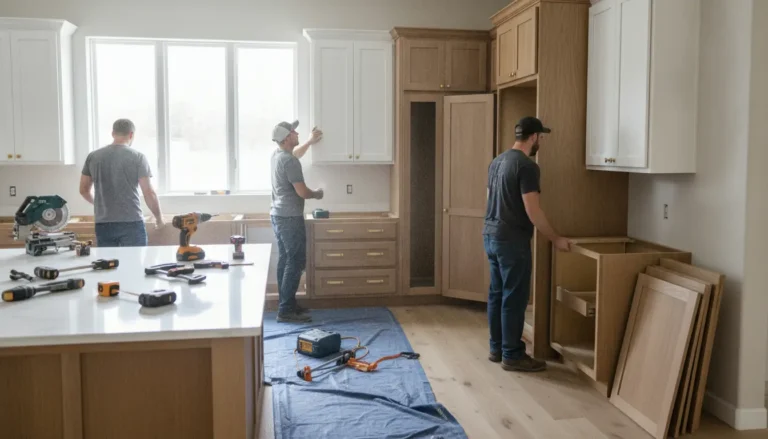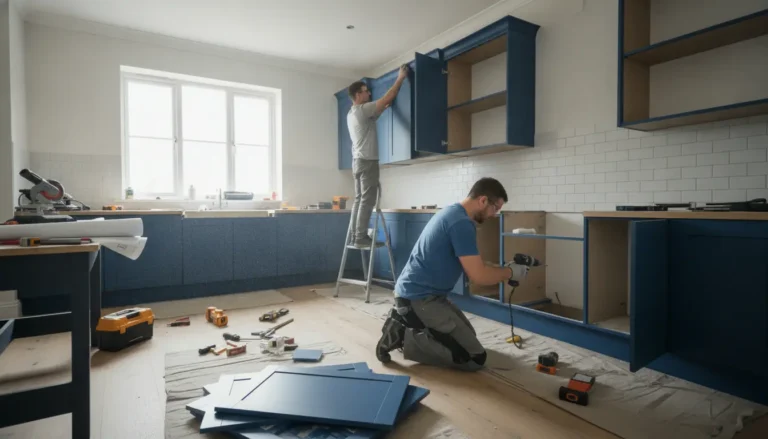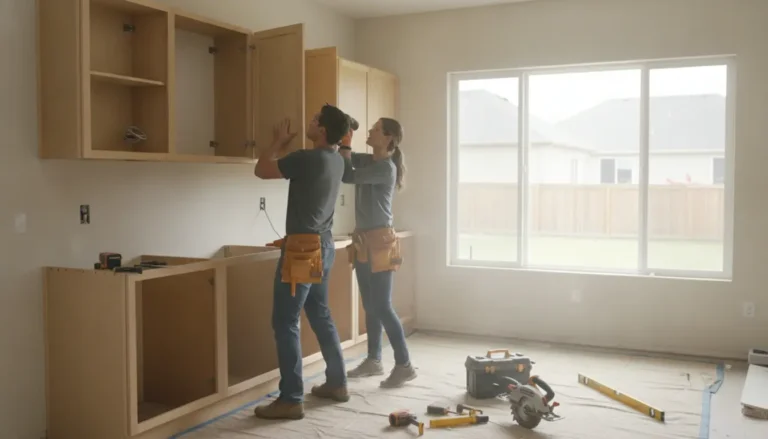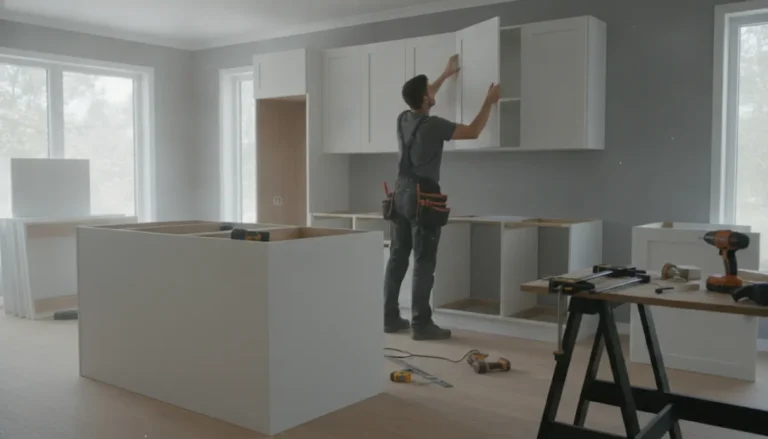
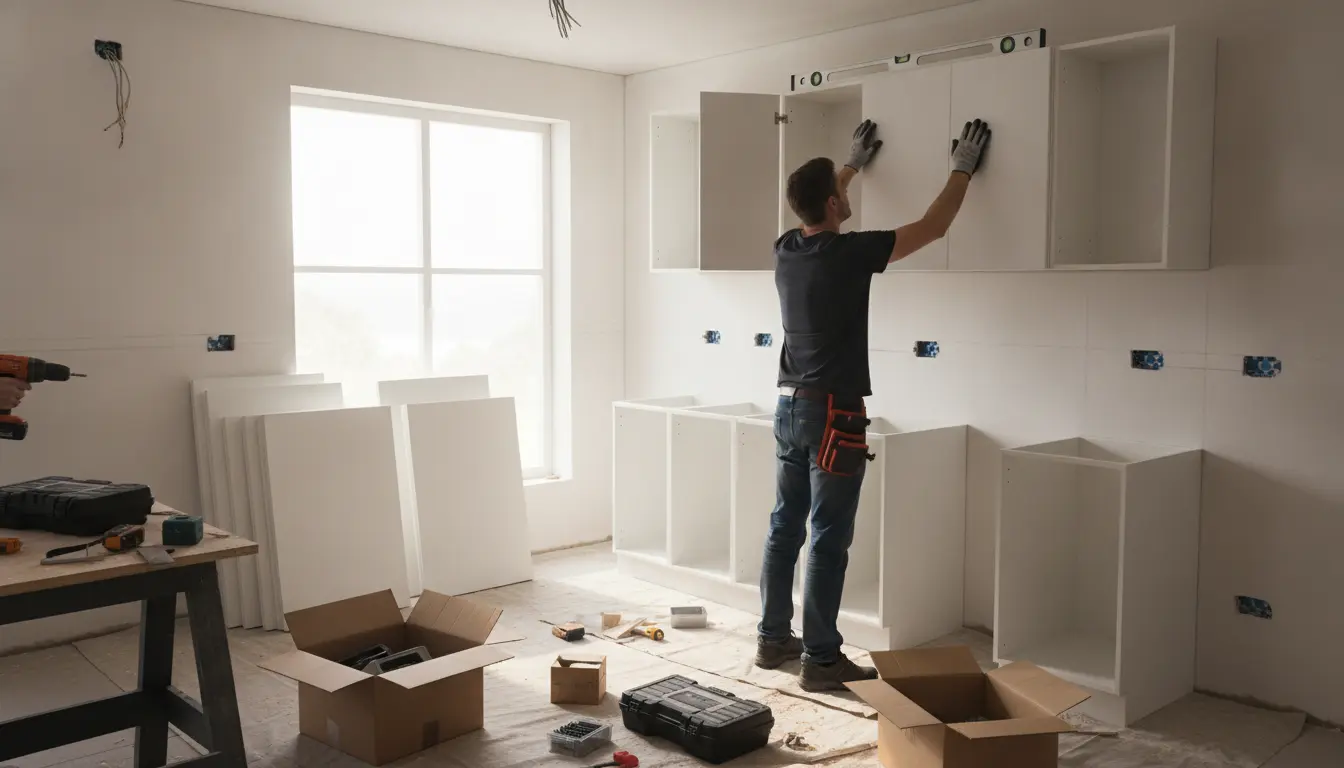
Are kitchen cabinets easy to install? Yes, they can be, when the cabinets are well measured, the walls are prepared, and the right installation route is chosen. This page helps you decide whether to install cabinets yourself or bring in professional support, with practical steps, realistic expectations, and buying guidance. You will learn how to avoid uneven doors, gaps, delays, and hidden costs while creating a kitchen that looks finished, functions smoothly, and adds lasting value.
What Makes Kitchen Cabinet Installation Manageable?
Kitchen cabinet installation is not simply about lifting boxes onto a wall. It is about alignment, level surfaces, secure fixing, door adjustment, filler placement, and a clean final finish. For a confident homeowner with patience, basic tools, and a simple layout, the work can be manageable. For a complex kitchen with tall units, corner cabinets, integrated appliances, or uneven walls, the process quickly becomes more technical.
The good news is that most installation challenges can be predicted before the first cabinet is unpacked. If you measure carefully, plan the order of installation, and choose cabinets that suit your skill level, you reduce the risk of costly mistakes. That is why the best question is not only whether cabinets are easy to install, but whether your specific kitchen is suitable for self-installation.
When DIY Cabinet Installation Works Well
Installing cabinets yourself is most realistic when the layout is straightforward. A single wall of base cabinets, a small utility kitchen, a pantry run, or a replacement project using the same cabinet footprint is usually easier than a full redesign. You can often complete the job with a level, drill, clamps, stud finder, measuring tape, shims, screws, and patience.
DIY installation may be a good fit if:
- You are replacing cabinets in the same position as the old ones.
- Your walls and floors are reasonably level.
- You have a clear cabinet plan with accurate dimensions.
- You are comfortable drilling into studs and using shims.
- You can work slowly without needing the kitchen finished immediately.
- You have help available for lifting wall cabinets safely.
For example, a homeowner updating a small apartment kitchen may be able to remove old base cabinets, mark a level reference line, secure the new cabinets, add filler strips, and adjust doors over a weekend. The result can look professional if the preparation is accurate and the cabinets are good quality.
Where Installation Becomes Difficult
Cabinet installation becomes harder when the room itself is imperfect. Older homes often have bowed walls, sloping floors, hidden pipework, and corners that are not square. These issues are common, but they require careful correction. If you ignore them, cabinets may sit unevenly, drawers may rub, doors may not align, and worktops may not fit correctly.
More advanced scenarios include:
- Installing upper cabinets without an extra pair of hands.
- Fitting tall pantry units beside appliances.
- Working around plumbing, sockets, extraction, or gas lines.
- Adding end panels, trim, kickboards, and fillers for a built-in look.
- Combining cabinets with stone, laminate, or custom countertops.
- Creating a seamless finish around islands or corner units.
If your project includes these details, professional support can save time and prevent damage. A trained installer knows how to level a run from the highest floor point, scribe fillers to uneven walls, secure cabinets safely, and make small adjustments that are difficult to notice but easy to feel in everyday use.
The Biggest Benefits of Getting the Installation Right
Correct installation affects far more than appearance. Cabinets are used every day, often under heavy loads. When they are level, firmly fixed, and properly adjusted, your kitchen feels smoother, quieter, and more durable. Drawers glide properly, doors close cleanly, and the worktop sits securely.
Well-installed cabinets can also protect your budget. A small error during installation can cause larger expenses later, especially if a countertop is measured from uneven base cabinets or if an appliance gap is too narrow. By planning installation properly, you avoid rework and protect the materials you have already paid for.
Another important benefit is confidence. When the cabinets are installed accurately, the rest of the kitchen project becomes easier. Countertops, splashbacks, lighting, handles, and appliances all depend on a stable cabinet structure. The cabinet run is the foundation of the room.
Why Cabinet Quality Matters Before Installation Starts
Even the best installer cannot fully compensate for poor cabinet construction. Square cabinet boxes, strong backs, reliable hinges, and accurate pre-drilled holes make installation easier and the final result better. Flat-packed cabinets can work well, but only if they are assembled carefully and checked for square before fixing them to the wall.
If you are still comparing options, look beyond color and door style. Check the cabinet material, hinge system, drawer runners, warranty, and available sizes. You can explore different styles and planning considerations through cabinet installation guidance before deciding how much work you want to handle yourself.
For cost planning, it is also smart to compare the cabinet price with the total installed cost. Budget cabinets may need more adjustment, while higher-quality units can save time during fitting. Review cabinet pricing early so you can balance materials, installation, and finishing details without surprises.
DIY Versus Professional Installation
The right choice depends on time, tools, confidence, and the complexity of the design. DIY can be satisfying and cost-effective, especially for simple base cabinets or small projects. Professional installation is usually the safer choice when precision, speed, and warranty protection matter most.
Choose DIY if you want control and savings
DIY installation gives you control over the pace of the project. You can unpack each cabinet, check the layout, and make small decisions as you go. It can also reduce labor costs. However, you must be prepared for measuring twice, correcting small errors, and spending more time than expected. A project that looks simple in a short tutorial may take much longer in a real kitchen.
Choose a professional if you want certainty
Professional installers bring experience with uneven rooms, tight spaces, and finishing details. They can often complete work faster and with fewer visible imperfections. This is especially valuable if you have invested in premium cabinets, custom panels, or a complex design. Paying for skilled installation can protect the appearance and lifespan of your kitchen.
Practical Installation Flow
A clear process makes kitchen cabinet installation easier, whether you do it yourself or hire help. The order usually matters more than beginners expect. Rushing straight into fixing cabinets can lead to alignment problems that are difficult to correct later.
-
Confirm the plan. Check cabinet sizes, appliance openings, plumbing positions, and wall measurements before unpacking everything.
-
Prepare the room. Remove old cabinets, baseboards where needed, loose debris, and obstacles. Make sure floors and walls are ready.
-
Mark level lines. Find the highest floor point and create a clear reference line for the cabinet run.
-
Locate studs. Mark fixing points so cabinets can be secured safely and not just attached to plasterboard.
-
Start with base cabinets. Level each unit side to side and front to back, using shims where necessary.
-
Clamp and connect cabinets. Keep fronts flush, drill pilot holes, and fasten cabinets together before final adjustments.
-
Install wall cabinets carefully. Use support rails or a second person to prevent slipping and uneven fixing.
-
Add fillers, panels, and kickboards. These details hide gaps and create the built-in appearance buyers expect.
-
Adjust doors and drawers. Fine-tune hinges and runners so all lines look consistent.
This flow keeps the project controlled and helps you identify problems before they become expensive. If you are unsure about any stage, it may be worth getting advice before drilling permanent holes.
Real-World Scenarios
A simple refresh
Imagine replacing old white cabinets with new shaker-style units in the same layout. Plumbing remains in place, appliances stay where they are, and the walls are fairly straight. This is one of the easiest installation scenarios. With good preparation, a careful DIY approach can work well.
A family kitchen remodel
Now consider a full kitchen remodel with a pantry cabinet, wall cabinets, an island, integrated dishwasher, and new countertop. The cabinet installation affects every following trade. In this case, professional installation often delivers better value because mistakes can delay the entire renovation.
A compact city apartment
Small kitchens look easier, but they leave less room for error. A few millimeters can affect an appliance opening or door swing. If storage is critical, consider cabinets designed for tight spaces and plan every filler carefully. When buying, compare options through buy kitchen cabinets resources so the selected units fit both the space and installation method.
Why Homeowners Trust a Planned Approach
Many homeowners who complete cabinet projects successfully share the same lesson: preparation matters more than strength. They measure repeatedly, use clamps, check level lines, and do not rush the final adjustments. People who struggle often skip the planning stage, underestimate uneven walls, or assume every cabinet will fit perfectly out of the box.
Installers say the same thing in a different way: a kitchen looks expensive when the gaps are consistent, the doors are aligned, and the panels are finished cleanly. Those details are what visitors notice, even if they cannot explain why the kitchen feels well built.
Ready to Choose the Best Route?
If you are asking whether kitchen cabinets are easy to install, you are already making a smart decision by planning before buying. Start by checking your room, your tools, your time, and your confidence. If the project is simple, DIY may be a rewarding option. If the design is complex, professional installation can protect your investment.
Use your cabinet plan as the decision point. A clear layout, accurate measurements, and suitable cabinet quality make every installation easier. When you are ready, compare cabinet options, installation guidance, and total costs before committing. The right plan helps you move from uncertainty to a kitchen that looks finished, works beautifully, and feels worth the investment.
Kitchen cabinets can be easy to install when the layout is simple, the cabinets are well made, and the room is properly prepared. The key benefits are lower stress, better alignment, fewer costly mistakes, and a stronger final result. Choose DIY for straightforward projects and professional help for complex layouts. Ready to move forward? Plan your cabinet installation carefully today and create a kitchen that looks polished from the start.
Frequently Asked Questions
Are kitchen cabinets easy to install for a beginner?
Are kitchen cabinets easy to install for a beginner? They can be if the layout is simple, the walls are reasonably level, and the cabinets are standard sizes. Beginners should start with base cabinets, use a long level, mark studs clearly, and work slowly. Wall cabinets are more difficult because they require safe lifting and precise alignment.
What tools do I need to install kitchen cabinets?
You will usually need a measuring tape, long level, drill, screw bits, clamps, stud finder, shims, cabinet screws, and safety gear. A saw may be needed for fillers, panels, or kickboards. The better your tools and measurements, the easier the installation becomes and the cleaner the finished kitchen will look.
Should I install base cabinets or wall cabinets first?
Many installers begin by marking all level lines, then setting base cabinets because they create the foundation for countertops and appliance openings. Wall cabinets can also be installed early to avoid working over base units. The best order depends on the room, but accurate reference lines are more important than speed.
When should I hire a professional cabinet installer?
Hire a professional if your kitchen has uneven walls, tall cabinets, integrated appliances, complex corners, heavy wall units, or expensive custom finishes. Professional installation is also wise when timing matters. A skilled installer can prevent misalignment, protect the cabinets, and make the final kitchen look more seamless.
Are kitchen cabinets easy to install if the floor is uneven?
Are kitchen cabinets easy to install on an uneven floor? They are more challenging, but still possible with careful leveling. Installers find the highest point, mark a level line, and use shims to support each cabinet. If the floor slope is severe, professional help is recommended before countertops are measured or fitted.
About the Author